











How Group Travelers Can Save Money During Simhastha
Discover how group travelers can save money during Simhastha 2028. From shared tent cities and bulk-booking discounts to communal kitchens and chartered transport, unlock the smartest budgeting strategies for your Kumbh pilgrimage.


The Shared Roof and the Economics of Group Accommodation
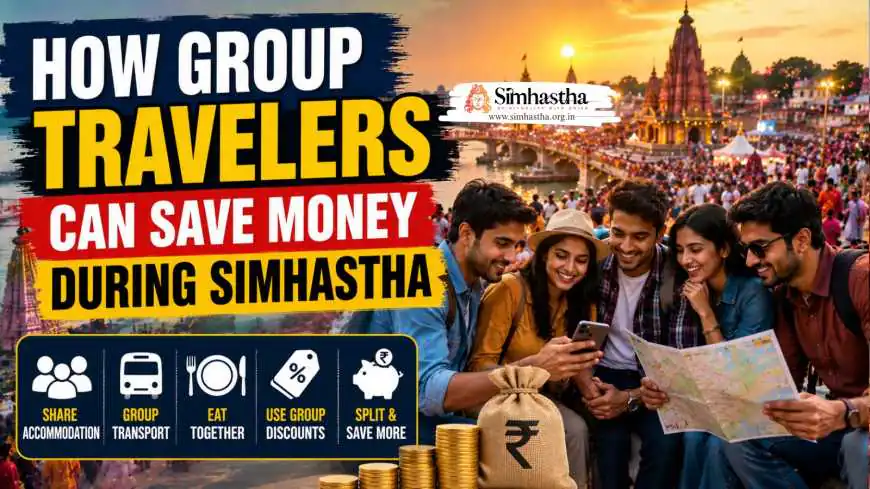
The single largest expense of any Simhastha pilgrimage is accommodation, and it is here that the group's power is most decisively wielded. The official tent cities, which will form the backbone of organized pilgrim housing for 2028, are designed from the ground up to reward group bookings. A standard tent that sleeps three or four people costs a fraction, on a per-head basis, of a premium single-occupancy tent. A group of eight can book two such tents and immediately halve their per-person accommodation cost compared to booking individual spaces. Moreover, many tent city operators offer an explicit group discount, typically ranging from ten to twenty percent, for bookings of ten or more people made in a single, consolidated transaction. The group leader who calls the operator directly, rather than booking through a generic online portal, can often negotiate even further, leveraging the promise of a large, guaranteed booking during the early bird window.
Beyond the tent cities, the dharamshala and ashram network, which operates on a different economic model than commercial hotels, is profoundly group-friendly. A dharamshala room is often a large, open hall with multiple cots, and the charge is frequently per room, not per person. A group of twelve pilgrims who book a single twelve-cot hall at a temple trust dharamshala will pay a tiny, almost symbolic amount per head, and the donation they leave behind will be a shared, collective act of merit. The homestay sector, which the government is actively expanding, is another opportunity. A group can book an entire floor or a cluster of rooms in a single family home, negotiating a weekly rate that is far more economical than a daily hotel charge. The group that stays together not only prays together but saves together, and the shared accommodation becomes a private, sacred enclave within the vast, temporary city of the Kumbh. 🏕️
The Kitchen of the Group and the Freedom From the Restaurant Bill
Food is the silent, relentless drain on a pilgrim's wallet. A single traveler, exhausted after a long day of darshan, will often surrender to the nearest restaurant, paying a premium for a simple thali that, while nourishing, slowly erodes the budget over a week-long stay. A group has a different, far more powerful option: the communal kitchen. If the group's accommodation—a rented apartment, a homestay floor, or even a cluster of tents—has access to a basic cooking space, the group can designate a rotation of cooks from within its own members. The simple act of buying fresh vegetables, lentils, rice, and flour from the local market and preparing a large, communal pot of dal and a stack of hot rotis reduces the per-meal cost to a fraction of the restaurant price. The meal, cooked with shared love and the chanting of a mantra, becomes an act of worship in itself.
For groups staying in tent cities or dharamshalas where self-catering is not possible, the langar is a divine economic equalizer. The great community kitchens, run by the akharas, temple trusts, and various charitable organizations, serve free, sanctified meals to all, without distinction. A group that plans its day around the langar timings—arriving at the akhara camp kitchen for the midday meal and at the temple langar for the evening prasad—can significantly reduce its food expenditure. The group leader who does the research, mapping out the locations and timings of the major langars in their Mela sector, is a provider of both physical and spiritual nourishment. The group can also pool a small collective donation to the langar, a gesture of gratitude that is both spiritually meritorious and a fraction of what they would have spent on commercial meals. 🍛
Trending Guides Now
How to Choose the Right Hotel in Ujjain Near Mahakal
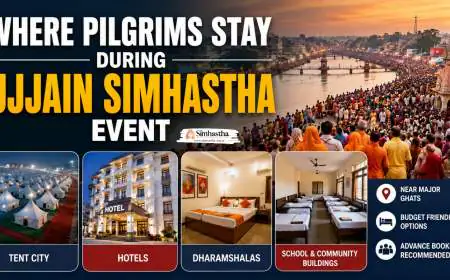
Where Pilgrims Stay During Ujjain Simhastha Event

Family Friendly Hotels Near Mahakal Corridor

Best Hotels in Freeganj Ujjain Near City Center
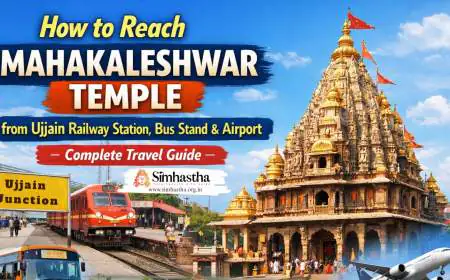
Ujjain Railway Station to Mahakaleshwar Temple Distance (2026 Guide)

Ujjain Simhastha 2028 Dates Announced: Full Shahi Snan & Event Timeline

Ujjain Simhastha Update: CM Mohan Yadav Reviews 2028 Works
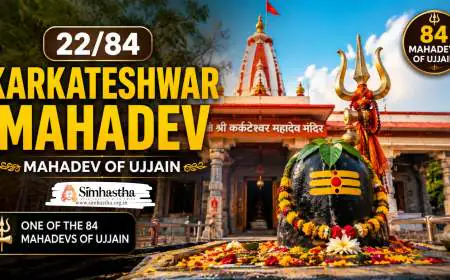
Karkateshwar Mahadev: 22/84 Mahadev of Ujjain
The Chartered Vehicle and the Vanishing Transport Cost
The single most frustrating and expensive aspect of the Simhastha for the individual pilgrim is the constant, draining negotiation with auto-rickshaw drivers, the surge pricing, and the hours lost waiting for a shared ride that never comes. The group solves this problem with a single, decisive stroke: the chartered vehicle. A group of ten to fifteen pilgrims can hire a dedicated auto-rickshaw, a tempo traveler, or a small bus for the entire day or for the duration of their stay. The cost, when divided among the group, becomes startlingly economical, often cheaper than the cumulative fare of individual auto-rickshaw rides for the same number of people over the same period. The chartered vehicle waits for the group at the temple gate, eliminates the stress of haggling, and provides a secure, private space to leave belongings, to rest between darshan stops, and to travel as a united, mobile sangha.
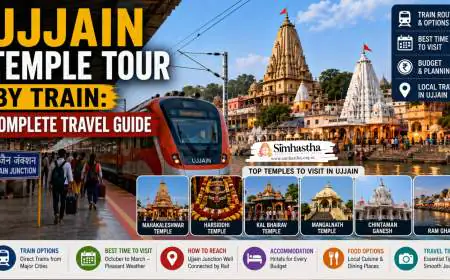
For the group arriving from out of state, the savings begin even before they reach Ujjain. A group train ticket booking, done through the IRCTC's group booking facility or a trusted travel agent, can secure a block of seats or an entire compartment, often with a concessional fare structure. A large group traveling from the same city can charter an entire bus, splitting the cost across dozens of passengers, and turning the long journey into a rolling bhajan session, a spiritual prelude to the Mela itself. The transport cost, which for the solo pilgrim is a daily, unpredictable bite out of the wallet, becomes for the group a fixed, known, and deeply discounted line item, a solved problem that frees the mind for higher things. 🚌
The Bulk Puja, the Shared Offering, and the Economies of Devotion
The ritual economy of the Simhastha is as real as the commercial one. A single pilgrim who wishes to perform a specific puja—a Mangal Dosh nivaran, a Bhasma Aarti entry, or a special abhishek—pays the full, individual rate. But many of Ujjain's temples and their priests are accustomed to, and welcoming of, group rituals. A family of eight performing a single, collective pind daan for a common ancestor will pay one priestly fee, not eight. A group of devotees who wish to offer a large, collective garland, a single, substantial donation, or a sponsored bhog to the deity will find that the collective offering, when divided among the participants, costs each person a fraction of what a smaller, individual offering would cost, while the spiritual merit, amplified by the shared intention, is multiplied. The group can pool resources for a single, beautiful, high-quality puja thali rather than each person buying a separate, smaller one. The priests, who are often paid a standard fee per ritual rather than per head, are frequently willing to perform a single, longer, more elaborate ceremony for a group for the same base cost. The key is for the group leader to approach the temple counter or the priest calmly, well in advance, and to state the group's collective intention clearly. The group that prays together, pays less together, and the grace received is undivided. 🪔
The Family Homestay and the Intergenerational Budget
A significant demographic of Simhastha pilgrims is the multi-generational family—grandparents, parents, children, and sometimes even a widowed aunt or an unmarried uncle—traveling together as a single, sacred unit. For such families, the homestay is not just a budget option; it is a spiritual homecoming. The family can book an entire floor or an independent part of a local Ujjain home, with multiple rooms, a shared living space, and often, the invaluable blessing of a small kitchen. The per-person cost of such an arrangement, when calculated across a family of eight or ten, is dramatically lower than booking multiple hotel rooms. The family can cook its own simple, familiar meals, adhering to the dietary restrictions of its elders without compromise. The homestay owner, often a family themselves, becomes a temporary, extended member of the pilgrim clan, offering local knowledge, guiding the family to the best ghats, and protecting them from the touts and scammers who prey on the unfamiliar. This intergenerational, home-based model of pilgrimage is the most ancient and the most sustainable, and the Simhastha 2028 administration's push to register thousands of new homestays is a direct, practical invitation to the family group to reclaim this tradition. The savings are financial, but the deeper value is the preservation of the family's spiritual integrity, a treasure that no hotel, however luxurious, can provide. 🏡
The Volunteer Model and the Gift of Service
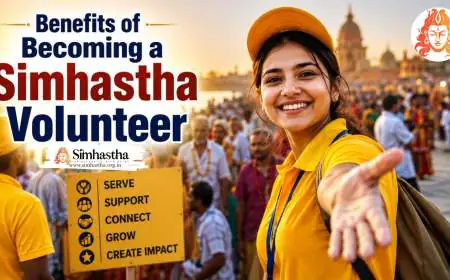
A group that is willing to offer a few hours of daily service in exchange for heavily subsidized or free accommodation and food opens the door to the most radical form of budget pilgrimage. The great akharas, the temple trusts, and the many charitable organizations that run the Kumbh's massive humanitarian operations are always in need of volunteers. A group of ten young, able-bodied pilgrims who commit to a four-hour daily shift in the akhara's community kitchen, the medical camp, or the sanitation crew will often be provided with a simple but clean place to sleep and all their meals, free of charge. This is not a transaction; it is seva, selfless service, the highest form of worship in the bhakti tradition. The group that volunteers its time and energy does not merely save money; it earns an invisible, spiritual wage that no budget hotel can offer. The bonds forged while chopping vegetables for ten thousand pilgrims or gently guiding a lost elderly woman to her camp are the true currency of the Kumbh. The group leader who contacts the akhara's volunteer coordinator months in advance, expressing the group's sincere willingness to serve, can secure a deeply meaningful, essentially cost-free pilgrimage that will be remembered not for what was saved, but for what was given. 🤲
The Early Bird and the Discipline of the Advance
The economics of the Simhastha operates on a brutally simple curve: prices rise as the Mela approaches, and they explode on the festival dates themselves. The group that embraces the discipline of the early bird reaps the most significant rewards across every category of spending. A group of fifteen who books their tent city accommodation in mid-2026, a full two years before the Mela, will lock in a rate that is a third, or even a quarter, of the price that a group booking in early 2028 will pay. The same applies to train tickets, which can be booked 120 days in advance, and to chartered bus services, which offer significant early-payment discounts. The group that appoints a dedicated, financially responsible coordinator, who collects a deposit from each member and makes the bulk bookings the moment the booking windows open, is not just saving money; it is buying certainty. That certainty, the knowledge that the beds are secured and the train seats are reserved, is a spiritual balm. The months leading up to the Mela are filled, for the late booker, with anxiety and a mounting, desperate search for whatever is left at whatever price. The early-booking group spends those months in peaceful anticipation, its collective mind free to focus on the inner preparation that is the true, priceless heart of the pilgrimage. 📅

The Common Purse and the Collective Wallet
A practical, almost sacred, tradition among Indian pilgrim groups is the common purse—a single, pooled fund into which each member contributes an equal, agreed-upon amount at the start of the journey. The group leader, or a designated, trusted member, manages this fund, paying for all shared expenses: the accommodation, the chartered transport, the group puja fees, the market vegetables for the communal kitchen. This simple, ancient mechanism eliminates the constant, draining, and often embarrassing, settling of individual debts, the "I paid for your chai, so you pay for my auto" mental accounting that silently corrodes group harmony. The common purse transforms the group from a collection of individual consumers into a single, unified economic entity, a micro-sangha that moves through the Mela with a shared purpose and a shared budget. The transparency of a simple notebook, recording every expenditure and the remaining balance, builds trust and accountability. The common purse is a spiritual practice in itself, a daily, lived lesson in non-attachment to personal money and in radical trust in the collective. 🪙
The Beyond-Budget Blessing and the True Economy of the Kumbh
The ultimate saving that group travel offers during the Simhastha is not measured in rupees. It is measured in the shared, tearful silence of a grandmother and her grandson standing together before the Mahakaleshwar lingam. It is measured in the spontaneous, rising harmony of a family's bhajan, sung on the floor of a dharamshala hall as the rain drums on the tin roof. It is measured in the strong, reassuring arm of a brother, guiding a sister through the crushing, ecstatic crowd of the Shahi Snan. These are the moments that the solo pilgrim, for all their freedom, cannot access. The group is a living mandala, a small, mobile universe of support, and its economic advantages are merely the material reflection of its deeper, spiritual power. The money saved is the money that allows the poor family to stay an extra day, to offer a coconut at one more temple, to buy a warm shawl for the old father who is shivering in the pre-dawn queue. The savings are not an end; they are the means to a longer, deeper, and more grace-filled immersion in the sacred. The group that travels together, prays together, saves together, and returns home not as a collection of individuals but as a single, bonded, and blessed entity, a sangha that has been forged in the ancient, purifying fire of the Simhastha Kumbh. 🔱
Frequently Asked Questions