





















Why Chintaman Ganesh Temple Remains Important for Local Families
Discover why Chintaman Ganesh Temple remains important for local families—Swayambhu idol, wish-fulfilling deity, Navratri celebrations, and deep community roots.


The Neighborhood Temple That Holds a City's Heart 🏛️❤️
Let me ask you something. 🤔
When you think of Ujjain, what comes to mind? The towering presence of Mahakaleshwar-temple" class="contextual-link" data-post-id="268">Mahakaleshwar Temple? The mysterious energy of Kal Bhairav? The cosmic significance of Mangalnath? These are the big names—the temples that draw millions of pilgrims from across the world. 🌍
But here's a secret that locals know: the true heart of Ujjain beats in its neighborhood temples. And the most beloved of them all is the Chintaman Ganesh Temple. 🐘💫
Located near the Mangalnath Temple on the banks of the Shipra River, the Chintaman Ganesh Temple may not have the grandeur of Mahakal, but it has something far more precious: the love of Ujjain's local families. 👨👩👧👦
Trending Guides Now
Why Chintaman Ganesh Temple Is Popular Among Families
Why Chintaman Ganesh Is Known as the Wish-Fulfilling Deity
Why Devotees Visit Chintaman Ganesh Before New Beginnings
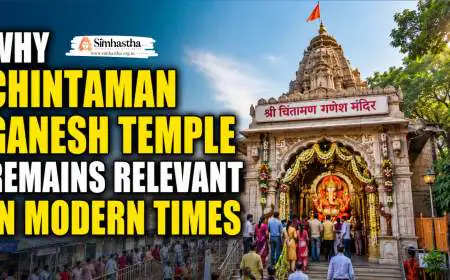
Why Chintaman Ganesh Temple Remains Relevant in Modern Times

Ujjain Railway Station to Mahakaleshwar Temple Distance (2026 Guide)

Ujjain Simhastha 2028 Dates Announced: Full Shahi Snan & Event Timeline
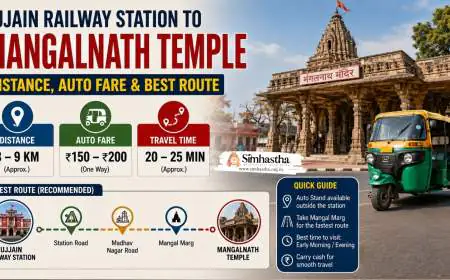
Ujjain Railway Station to Mangalnath Temple: Distance, Auto Fare and Best Route

Ujjain Simhastha 2028 Road Widening Brings Action Against Religious Structures Houses and Shops
So, why does Chintaman Ganesh Temple remain important for local families? The answer lies in its unique Swayambhu idol, its reputation as a wish-fulfilling deity, its deep community roots, and the traditions that have been passed down through generations. 🕉️
In this article, we'll explore everything that makes this temple special—from its ancient origins to its role in family rituals today. Let's go! 🚀
The Swayambhu Miracle: An Idol That Appeared on Its Own 🌟🪨
What Makes the Idol Unique
The most remarkable thing about the Chintaman Ganesh Temple is its idol. Unlike most Ganesh idols that are carved and installed by human hands, this one is Swayambhu—self-manifested. 🙏
What Does Swayambhu Mean?
In Hindu tradition, a Swayambhu deity is one that appeared naturally, without human intervention. These idols are considered exceptionally powerful, as they are believed to be direct manifestations of divine energy. 🌟
The Legend:
According to local tradition, the idol of Lord Ganesha at this temple emerged naturally from the earth. The name "Chintaman" itself means "one who relieves worries" (Chinta = worry, Man = to remove or relieve). 🐘
Why This Matters to Local Families:
For generations, families have believed that worshipping at this Swayambhu idol brings direct blessings from Lord Ganesha. The idol's natural origin is seen as a sign that this is a place where the divine is especially present—a place where prayers are answered.
The Wish-Fulfilling Reputation
The temple's name reflects its most cherished reputation: Chintaman Ganesh is considered a wish-fulfilling deity. 🙏✨
What Local Families Believe:
-
🙏 Career Success: Students and professionals pray for success
-
💍 Marriage Proposals: Unmarried devotees seek blessings for good matches
-
👶 Childbirth: Couples pray for children
-
🏠 Home and Property: Families seek blessings for new homes
-
💰 Financial Prosperity: Business owners and traders seek success
The Ritual: Devotees tie a thread (kalava) around the temple's sacred tree or the idol's base while making a wish. When the wish is fulfilled, they return to untie it—a beautiful cycle of faith and gratitude. 🌳
The Akshata Tradition: How Families Start Their Day 🌾🙏
The Daily Ritual
One of the most heartwarming traditions at the Chintaman Ganesh Temple is the distribution of Akshata—unbroken rice grains mixed with turmeric. 🌾

What Is Akshata?
Akshata is considered highly auspicious in Hindu rituals. It symbolizes prosperity, fertility, and divine blessings. The word itself means "that which cannot be broken" (A = not, Kshata = broken).
The Tradition at Chintaman Ganesh:
Every morning, the temple priest distributes Akshata to devotees. Local families begin their day by visiting the temple, receiving the Akshata, and placing it in their homes as a symbol of blessings. 🏠
Why It Matters:
This daily ritual connects families to the temple in an intimate way. It's not just a once-a-year visit—it's a part of their daily rhythm. The Akshata serves as a constant reminder of Lord Ganesha's presence in their lives.
Ganesh Chaturthi: The Festival That Brings the Community Together 🎉🐘
Ujjain's Biggest Ganesh Celebration
While Ganesh Chaturthi is celebrated across India, the celebration at Chintaman Ganesh Temple holds a special place in the hearts of Ujjain's local families. 🎊
What Makes It Special:
-
🎵 Grand Processions: The idol is taken out in a beautifully decorated procession
-
🌸 Flower Decorations: The temple is adorned with thousands of flowers
-
🍬 Modak Offerings: The traditional sweet is prepared and distributed
-
🎶 Bhajan Sessions: Evening devotional singing sessions
-
🙏 Community Feasts: Langar and prasad distribution
The Local Connection:
Unlike the grand celebrations at Mahakaleshwar Temple, the Ganesh Chaturthi at Chintaman Ganesh feels like a neighborhood festival. Families bring their children, share food, and celebrate together. 🎉

The Visarjan Tradition
On the final day of the festival, the idol is taken to the Shipra River for immersion (visarjan). 🏞️
The Community Bond:
Thousands of families gather at the river to bid farewell to Lord Ganesha. The air fills with chants of "Ganpati Bappa Morya," and the emotion is palpable. This is a moment of collective joy and devotion that strengthens the community bonds.
Navratri: The Unexpected Ganesh Connection 🌙🌟
The Gauri-Ganesh Link
During Navratri—the nine-day festival dedicated to the Goddess Durga—the Chintaman Ganesh Temple holds special significance for local families. 🌸
Why Navratri Matters:
In many Hindu traditions, the Goddess Gauri (an aspect of Durga) is worshipped along with her son Ganesha. During Navratri, local families visit the temple to seek blessings for the Gauri-Ganesh puja performed in their homes. 🙏
The Ritual:
-
Families set up Gauri-Ganesh idols in their homes
-
They visit Chintaman Ganesh Temple to receive blessings
-
They perform the Gauri-Ganesh puja with great devotion
-
On the final day, the Gauri idol is immersed
The Kanyadan Tradition
During Navratri, the temple also becomes a focal point for Kanyadan (offering food and gifts to young girls). 👧
Why This Matters:
For local families, this is a tradition that connects them to their roots. It's a way of teaching the next generation about charity, devotion, and community service.
Wedding Rituals: The Ganesh Temple's Role in Family Milestones 💍🎊
Pre-Wedding Blessings
One of the most cherished traditions for local families is visiting the Chintaman Ganesh Temple before weddings. 💒
Why Before Weddings:
Lord Ganesha is the remover of obstacles and the god of new beginnings. Before any major life event—especially marriage—families visit to seek his blessings. 🐘
The Ritual:
-
The couple-to-be visits the temple with their families
-
They offer prayers and coconut
-
They receive the Akshata and blessings from the priest
-
They tie a kalava (sacred thread) around the temple's tree
Family Connection:
This tradition has been passed down through generations. Parents bring their children to the same temple where they sought blessings before their own wedding. It's a beautiful continuity of faith and family.
Post-Wedding Visits
Even after the wedding, families return to the temple:
-
🙏 Thank You Visit: To express gratitude for blessings
-
👶 Child Blessing: To bring newborns for blessings
-
🏠 Housewarming: Before entering a new home
Community Support: The Temple as a Family Hub 🏠🤝
Beyond Worship: A Support System
The Chintaman Ganesh Temple serves as more than just a place of worship—it's a community hub. 🏘️
How the Temple Supports Local Families:
-
📚 Educational Support: Scholarships for underprivileged students
-
🍛 Food Distribution: Langar for those in need
-
💊 Medical Camps: Free health checkups
-
🧘 Spiritual Guidance: Counselling and support for families in distress
Why This Matters:
For local families, the temple isn't just a place they visit—it's a source of support and connection. It's where they go in times of joy and in times of sorrow.
The Trust Factor
Local families trust the temple authorities, and the temple trusts the families. It's a relationship built on generations of mutual respect and devotion. 🤝
The Mangalnath Connection: A Shared Spiritual Space 🌌🕉
Two Temples, One Pilgrimage
The Chintaman Ganesh Temple shares its neighborhood with the famous Mangalnath Temple—the birthplace of Mars. 🌌
How They're Connected:
Many local families visit both temples in one trip. They first seek blessings from Lord Ganesha to remove obstacles, then visit Mangalnath for astrological remedies. 🌟
The Family Connection:
Families often bring children to Chintaman Ganesh first, teaching them the importance of beginning any journey—spiritual or otherwise—with Ganesha's blessings.
The Ancient History: Roots in Ujjain's Spiritual Heritage 📜🕰️
The Temple's Age
While the exact age of the Chintaman Ganesh Temple is debated, it is considered ancient—with references suggesting it is centuries old. 🏛️
What's Known:
-
The temple is believed to have existed during the Paramara period
-
It has been mentioned in various local texts
-
The Swayambhu idol is the focus of the temple
The Modern Restoration
Recent years have seen efforts to restore and beautify the temple:
-
💰 Renovation: The temple has been restored with community support
-
🎨 New Paintings: Traditional murals depicting Ganesha's stories
-
💡 Lighting: Improved lighting for evening prayers
The Bottom Line: A Temple That Holds Families Together 🎯
The Chintaman Ganesh Temple may not be Ujjain's most famous temple, but it is certainly one of its most beloved. ❤️
Why It Remains Important for Local Families:
-
🌟 Swayambhu Idol: A naturally manifested deity believed to be exceptionally powerful
-
🙏 Wish-Fulfilling: Known as the remover of worries and granter of wishes
-
🌾 Akshata Tradition: Daily blessings that start every family's day
-
🎉 Ganesh Chaturthi: The community's biggest celebration
-
💍 Wedding Rituals: Pre-wedding blessings passed through generations
-
🤝 Community Support: A hub of support for local families
For families in Ujjain, the Chintaman Ganesh Temple is not just a temple—it's a part of their identity. It's where they go to start a new chapter, to celebrate a milestone, or simply to find peace in the midst of life's chaos. 🕉️
Frequently Asked Questions