

























Why Gau Ghat Is Associated With Religious Purification Rituals
Discover why Gau Ghat is associated with religious purification rituals across India. Explore the spiritual significance of holy dips, ancestral rites, and sacred traditions.
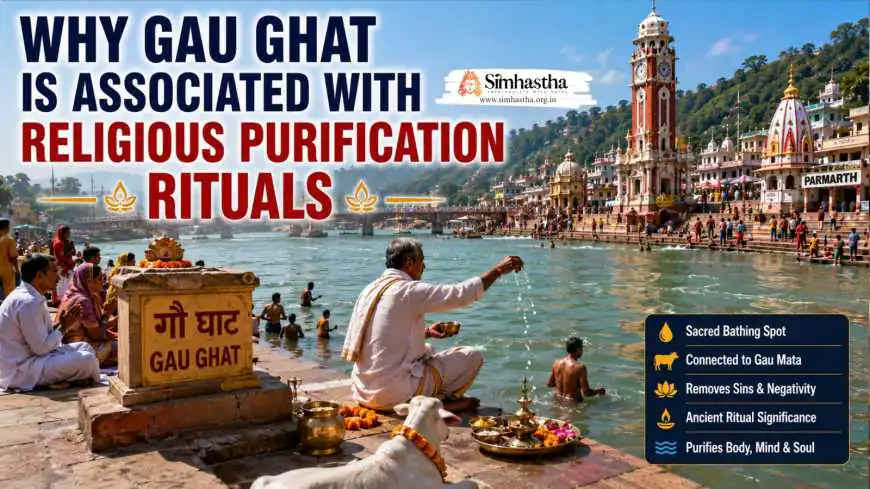

The Mystical Power of Gau Ghat: More Than Just Sacred Steps
Have you ever stood at the edge of a river and felt an overwhelming sense of peace wash over you? 🌊 Now imagine that feeling multiplied by a thousand, intensified by centuries of prayers, rituals, and unwavering faith. That's the magic of Gau Ghat.
Gau Ghat isn't just one place – it's a sacred name that echoes across multiple pilgrimage sites in India. From the banks of the Shipra River in Ujjain to the holy waters of Pushkar Lake in Rajasthan, from the divine Ganges in Rishikesh and Haridwar to the historic Gau Ghat in Patna, each carries the same sacred purpose: the purification of the soul. 🕉
But what exactly makes Gau Ghat so powerfully associated with religious purification rituals? The answer lies in a fascinating blend of mythology, ancient tradition, and the deep-rooted Hindu belief in the sanctity of water as a medium for spiritual transformation.
In this article, we'll explore the profound reasons why Gau Ghat remains one of the most revered sites for religious purification rituals across India. From the legendary emergence of a cow from sacred waters to the powerful Pitri Puja ceremonies, from the belief in receiving the equivalent of an Ashwamedha Yajna's merits to the immersion of national leaders' ashes – prepare for a spiritual journey like no other. 🐄✨
Trending Guides Now

Why Gau Ghat Holds Special Significance for Devotees

Ujjain Railway Station to Mahakaleshwar Temple Distance (2026 Guide)

Ujjain Simhastha 2028 Dates Announced: Full Shahi Snan & Event Timeline

Ujjain Railway Station to Gadkalika Temple: Distance, Auto Fare and Route

Ujjain Railway Station to Mangalnath Temple: Distance, Auto Fare and Best Route

Mahakaleshwar Temple Entry Rules 2026: Dress Code, Mobile & Bag Policy

Bhasma Aarti at Mahakaleshwar Temple – Complete Pilgrim Guide

Ujjain Bus Stand to Mahakaleshwar Temple Distance (2026 Guide)
The Sacred Name: What "Gau" Really Means
The Divine Symbolism of the Cow
Let's start with the name itself. "Gau" in Sanskrit translates to "cow," and in Hinduism, the cow is far more than just an animal. She is Kamadhenu – the divine wish-fulfilling cow that emerged from the churning of the cosmic ocean and is considered the mother of all creation . The cow symbolizes selfless giving, nurturing, and the sustaining power of the earth itself.
The connection between Gau Ghat and the cow is deeply rooted in Hindu mythology. According to one legend from Pushkar, Lord Brahma, the creator of the universe, performed a grand yagna (sacred fire ritual) at the site. During this cosmic ceremony, a cow miraculously emerged from the holy waters of Pushkar Lake, instantly sanctifying the spot .
Another equally fascinating legend comes from Patna, where a 350-year-old devotee named Bhai Jaitamal was blessed by Guru Nanak Dev Ji. Unable to bathe in the Ganges due to his age, Guru Nanak miraculously brought the river to him in the form of a cow. The holy spot where this happened is now the revered Gurdwara Gau Ghat in Patna .
These legends establish a powerful spiritual foundation: Gau Ghat is where the sacred waters manifest their divine essence in the form of the holy cow, making the site inherently pure and capable of bestowing extraordinary spiritual cleansing.
The Root of All Purification Rituals
In Hindu philosophy, water and the cow are two of the most potent symbols of purity. Water cleanses the physical body, while the cow represents the nourishing, sustaining power of the divine. At Gau Ghat, these two sacred forces come together, creating an environment where religious purification rituals are believed to be extraordinarily powerful.
The Purifying Power of a Holy Dip
Bathing Away Sins: The Core Belief
At the heart of why Gau Ghat is associated with religious purification rituals lies a profound and simple belief: bathing in these sacred waters washes away sins. 🌊
According to Hindu tradition, a holy dip at Gau Ghat is considered highly auspicious and is believed to cleanse the soul of impurities . The faith is so strong that devotees gather here daily to perform ritual bathing, offering flowers, incense, and prayers to the gods .
What makes the Gau Ghat holy dip so special?
-
Physical Purification: The waters are believed to have the power to cleanse physical impurities.
-
Spiritual Cleansing: More importantly, they purify the soul, washing away sins and negative karma.
-
Divine Blessings: Devotees believe they receive the direct blessings of the deities.
In Rishikesh, the belief is even more amplified. Priests at the Gau Ghat in Rishikesh explain that taking a dip here grants the same amount of spiritual merit (punya) as performing the grandest of Vedic rituals – the Ashwamedha Yajna . This is the royal horse sacrifice that only the most powerful emperors could perform! The fact that a simple dip can bestow equal merit demonstrates the incredible spiritual potency of Gau Ghat.
The Pushkar Connection: A Dip for Salvation
Pushkar Lake, with its 52 ghats, is considered one of the holiest water bodies in India . Legend has it that Lord Brahma himself chose this spot for his yagna, and a dip in its waters is believed to bestow salvation . The Gau Ghat in Pushkar, also known as Gandhi Ghat, is one of the most significant . During the auspicious Kartik Purnima (October-November), thousands of pilgrims flock to Gau Ghat to take a holy dip, believing it equals the penances of one hundred years!
Ujjain's Gau Ghat: A Center for Ancestral Rites
In Ujjain, the Gau Ghat on the Shipra River is specifically known for Pitra Pooja, Asthi Visarjan, and Pind Daan – the rituals for departed ancestors . Devotees come here to remember and honor their ancestors, performing ceremonies that are believed to bring peace to the departed souls .
The Ujjain Gau Ghat is often visited alongside other major ghats like Ram Ghat, Mangalnath Ghat, and Triveni Ghat . The calming and pure waters of this spot make it an ideal location for these solemn and sacred purification rituals.

Rituals Beyond Bathing: Ancestral Offerings and More
Pind Daan and Tarpan: The Rituals of Remembrance
Religious purification rituals at Gau Ghat extend far beyond bathing. Two of the most important ceremonies performed here are Pind Daan and Tarpan.
Pind Daan involves the offering of food (pinda) to the ancestors. It is a deeply meaningful ritual where the living help their departed family members on their journey to the afterlife.
-
Asthi Visarjan: The immersion of the ashes of the deceased in the sacred waters is also a common practice at Gau Ghat .
-
Tarpan: This ritual involves offering water mixed with sesame seeds and other sacred items to the ancestors.
The belief is that performing these rituals at Gau Ghat ensures that the souls of the ancestors find peace and liberation, thus maintaining the spiritual and familial harmony. Pandits (priests) are available at the ghat to guide devotees through these complex ceremonies .
The Connection to Cow Killing and Forgiveness
There is another profound association of Gau Ghat with purification rituals: seeking forgiveness for cow killing. Given the cow's sacred status in Hinduism, the act of killing or consuming a cow is considered a grave sin. Gau Ghat is a site where people come to seek forgiveness for this sin .
The Ritual of Forgiveness:
-
Donating a Cow: In ancient times, the formal event of seeking forgiveness was celebrated with the holy act of donating a cow.
-
Pind Daan for Salvation: This practice ties into the overall theme of the ghat as a place for spiritual cleansing.
Immersion of National Leaders' Ashes
In Haridwar, the Gau Ghat holds a unique place in modern Indian history. The ashes of India's most prominent leaders – Mahatma Gandhi, Jawaharlal Nehru, and Indira Gandhi – were immersed in the Ganges at this very spot . This act not only highlights the ghat's spiritual importance but also its role as a final resting place for souls seeking the ultimate purification and moksha.
In Pushkar, the Gau Ghat is also known as Gandhi Ghat because Mahatma Gandhi's ashes were immersed here . This dual significance as a place of both ancient and modern remembrance makes it a powerful symbol of peace and continuity.

The Mythological and Historical Backing
The Legend of Lord Brahma's Yagna
Pushkar's Gau Ghat is inextricably linked with the legend of Lord Brahma. According to the Padma Purana, Lord Brahma was searching for a spot to perform a yagna. He dropped a lotus flower from his hand, and three spots touched by the flower became lakes, known as Pushkar (meaning "blue lotus") .
During this yagna, a cow emerged from the holy waters, marking the spot as the Gau Ghat and establishing its eternal sanctity . This myth is the foundational story that connects Gau Ghat to religious purification rituals.
The Equivalence to the Ashwamedha Yajna
In Rishikesh, the belief that bathing at Gau Ghat equals the Ashwamedha Yajna is a powerful testament to its spiritual stature . The Ashwamedha was the grandest of Vedic rituals, performed by powerful emperors to establish dominance and prosperity. The fact that a simple dip at Gau Ghat bestows the same merit speaks volumes about the unparalleled spiritual energy of this site.
Historical Mentions Across Scriptures
Gau Ghat isn't just a local legend. It finds a place in the broader framework of Hindu literature. The Skanda Purana, Brahma Purana, and other ancient texts frequently mention the significance of sacred bathing ghats and the power of water to purify. Sites like Gau Ghat along the Shipra, Ganges, and Pushkar Lake are upheld as locations where the boundaries between the material and spiritual worlds thin out, allowing for direct connection with the divine.
More Than a Bathing Spot: The Spiritual Atmosphere
A Living Ritual Space
When you visit Gau Ghat, you're not just seeing a tourist attraction – you're stepping into a living ritual space. The experience is often quiet and observational, a place where the rhythm of devotion is visible . People arrive barefoot, pause, offer prayers, and move on .
The air is often filled with the sounds of hymns and prayers. The serene, divine, and energy-filled environment makes Gau Ghat a place where the soul is touched deeply . The feeling of peace is so profound that even if you don't participate in the rituals, the atmosphere itself offers a form of spiritual cleansing.
Key Etiquette for Visitors
Because Gau Ghat is a sacred religious space, it's important to follow proper etiquette:
-
Remove Shoes: Always remove your shoes before stepping onto the ghat stones .
-
Dress Respectfully: Cover your shoulders and knees as a sign of respect .
-
Observe Quietly: Avoid loud or disruptive behavior, especially during prayers.
-
Ask for Permission: Before taking photos, especially of people praying, always ask for permission .
The Modern Developments and Challenges
The 29-Km Shipra River Ghat Project
Recognizing the profound importance of ghats like Gau Ghat, the Madhya Pradesh government has launched a massive ₹864 crore project to develop a 29-kilometer riverfront along the Shipra River in Ujjain .
This project includes:
-
Red Stone Construction: All ghats will be built with red stone for durability and aesthetic appeal.
-
Wide Entrance Paths: 15-meter wide paths every 500 meters for easy access.
-
Modern Amenities: Changing rooms, drinking water facilities, and ramps for the disabled will be constructed.
-
Worship Platforms: Angular platforms for religious rituals will be included.
This development signifies the government's commitment to preserving Gau Ghat's spiritual heritage while making it more accessible to the millions of pilgrims who visit.
Environmental Concerns
Despite its spiritual significance, the Shipra River faces significant environmental challenges. Recent reports indicate that the river water is "very low and unfit for bathing or drinking purposes" in some stretches, with pollution from municipal and industrial sources being a major concern .
This creates a paradoxical situation: the very waters believed to purify are themselves polluted. The authorities have been working to address this issue through the Namami Gange campaign and various rejuvenation projects, but it remains an ongoing challenge that affects the integrity of the religious purification rituals.
The Bottom Line: A Place of Eternal Purification
So, why is Gau Ghat associated with religious purification rituals? The answer is a complex tapestry of mythology, faith, history, and enduring tradition. It is the sacred union of the cow's symbolism and the purifying power of water. It is the site where Lord Brahma performed his yagna, where Ganga Ji appeared as a cow for a devotee, and where millions have sought moksha by bathing in the holy waters .
The Gau Ghat is a place where the sins of a lifetime can be washed away, where the merits of a grand yagna can be earned, and where the soul can find peace. It is a living testament to the enduring power of faith and a vital part of India's spiritual heritage. 🌟
Whether you are a devout pilgrim seeking spiritual cleansing or a traveler curious about the world's sacred traditions, visiting a Gau Ghat offers a profound and unforgettable experience. It is more than just a spot on a riverbank – it's a gateway to the divine.
Frequently Asked Questions