Ujjain Simhastha 2028 Budget Breakdown (Full Cost Guide)
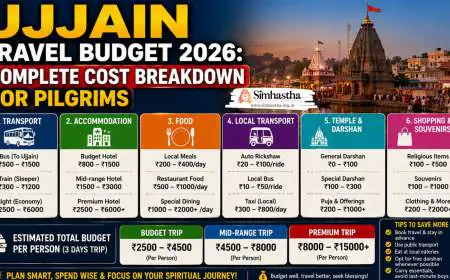
Simhastha 2028 is not just an event. It is a massive financial and administrative exercise that transforms Ujjain into a temporary mega city while simultaneously upgrading its long-term urban infrastructure. The Simhastha 2028 budget is designed with a dual objective: to manage millions of pilgrims efficiently during the event and to leave behind a stronger, more capable city after it ends. This budget is distributed across multiple sectors such as infrastructure, transport, safety, sanitation, technology, and administration, each playing a critical role in ensuring that the event operates smoothly. The scale of funding reflects the complexity of managing one of the largest human gatherings in the world, where every rupee is linked to crowd safety, movement efficiency, and urban resilience.
Understanding the Overall Budget Structure
The Ujjain Simhastha cost breakdown is not a single allocation but a layered financial structure involving multiple departments and phases. It includes pre-event development, event-time operations, and post-event restoration and upgrades.
This multi-layered approach ensures that spending is not concentrated only on temporary arrangements but also on long-term improvements. The budget is carefully distributed to balance immediate needs with future benefits, making it a strategic investment rather than a one-time expense.
Infrastructure Development as the Largest Cost Component
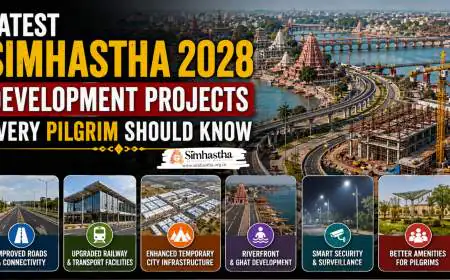
A major share of the Simhastha infrastructure cost goes into building and upgrading physical assets such as roads, bridges, ghats, drainage systems, and public utilities. These developments are essential for handling the massive influx of pilgrims.
Permanent infrastructure projects are prioritized in areas that will benefit the city long after Simhastha. At the same time, temporary structures are used to handle peak demand without creating long-term maintenance burdens. This combination ensures both efficiency and sustainability.
Road Network Expansion and Traffic Systems
The expansion and strengthening of road networks form a crucial part of the Simhastha transport budget. Roads are widened, new routes are created, and traffic management systems are implemented to ensure smooth movement.
Temporary diversions, parking zones, and shuttle routes are also developed to handle peak traffic. These investments reduce congestion and improve accessibility across the city.
Railway Infrastructure and Special Arrangements
Railways play a key role in bringing pilgrims to Ujjain. The budget includes provisions for additional trains, platform extensions, and improved station facilities.
The Kumbh Mela budget India allocation for railways ensures that passenger flow is distributed efficiently, reducing pressure on any single entry point. This improves overall crowd management and travel experience.
Air Connectivity and Indore Integration
Although Ujjain does not have its own airport, the budget includes investments in improving connectivity with Indore. This includes better road links, transport services, and coordination systems.
The integration of air travel into the Simhastha logistics budget ensures that international and long-distance travelers can reach Ujjain conveniently.
Tent City and Temporary Infrastructure Costs
Temporary infrastructure is a defining feature of Simhastha. The tent city budget Ujjain covers accommodation, sanitation, electricity, and water supply for millions of pilgrims.
These temporary setups are designed to function like organized urban spaces while being easy to dismantle after the event. This approach reduces long-term costs and environmental impact.
Water Supply and Utility Infrastructure
Providing water and utilities to millions of people requires significant investment. The budget includes temporary pipelines, storage tanks, and distribution systems.
These systems ensure continuous supply during the event and are designed to integrate with existing infrastructure where possible.
Sanitation and Waste Management Systems
Maintaining cleanliness is a major challenge during Simhastha. The budget allocates funds for toilets, waste collection, treatment facilities, and cleaning operations.
The focus on sustainable infrastructure Kumbh cost ensures that waste is managed efficiently and environmental impact is minimized.
Crowd Management and Safety Systems
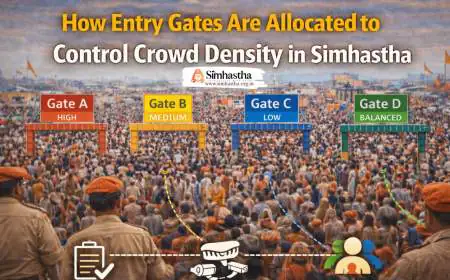
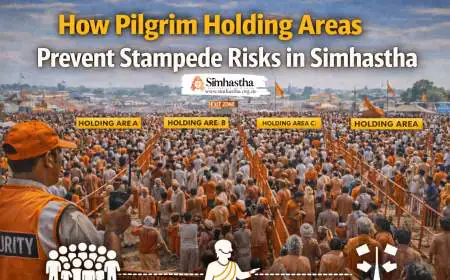
Safety is one of the most critical aspects of Simhastha planning. The crowd management cost Simhastha includes surveillance systems, control centers, barricades, and trained personnel.
These systems are designed to monitor crowd movement in real time and prevent congestion or accidents. Investment in safety ensures a secure environment for all pilgrims.
Security and Law Enforcement Deployment
Security arrangements require a significant portion of the budget. This includes deployment of police forces, installation of surveillance equipment, and coordination with emergency services.
The government spending Simhastha 2028 on security ensures that the event remains safe and well-controlled.
Healthcare Infrastructure and Emergency Services
Healthcare facilities are expanded to handle the increased demand during Simhastha. Temporary hospitals, medical camps, and ambulance services are set up across the city.
This investment ensures that medical assistance is readily available, improving overall safety and preparedness.
Technology and Smart Systems Integration
Modern technology plays a crucial role in managing Simhastha. The smart infrastructure Kumbh cost includes investments in data systems, monitoring tools, and communication networks.
These technologies enable better decision-making, improve coordination, and enhance efficiency across all operations.
Environmental Protection and River Management
Environmental sustainability is a key focus of the budget. Funds are allocated for river cleaning, pollution control, and eco-friendly practices.
This ensures that the event does not negatively impact the environment and aligns with sustainable development goals.
Administrative and Operational Costs
Managing Simhastha requires extensive planning and coordination. The Simhastha logistics budget includes administrative expenses, staff salaries, and operational costs.
These expenses ensure that all systems function smoothly and efficiently.
Urban Development and Long-Term Impact
One of the most important aspects of the Ujjain development budget 2028 is its focus on long-term benefits. Many projects are designed to improve the city permanently.
This includes better roads, improved public facilities, and enhanced infrastructure, which continue to benefit residents after the event.
Economic Impact and Revenue Generation
Simhastha generates significant economic activity. Local businesses, tourism, and services benefit from the large number of visitors.
The investment in Simhastha 2028 budget is not just an expense but also a driver of economic growth, creating opportunities for employment and development.
Challenges in Budget Management
Managing such a large budget comes with challenges. These include cost control, timely execution, and coordination between multiple agencies.
Effective monitoring and planning are essential to ensure that funds are used efficiently and objectives are achieved.
Financial Planning for a Mega Event
The budget for Simhastha is carefully planned to ensure maximum impact. It balances immediate needs with long-term goals, ensuring that every investment adds value.
This structured approach makes the Ujjain Simhastha cost breakdown a model for managing large-scale events.
A System Built on Investment and Vision
The financial planning behind Simhastha 2028 reflects a broader vision of development and efficiency. It shows how strategic investment can transform a temporary event into a lasting opportunity for growth.
By integrating infrastructure, safety, technology, and sustainability, the budget creates a system that supports millions while strengthening the city’s future.