




















Minimum Budget Required for Ujjain Simhastha 2028
Explore the minimum budget required for Ujjain Simhastha 2028 covering infrastructure, safety, transport, and essential planning costs.


Minimum Budget Required for Ujjain Simhastha 2028
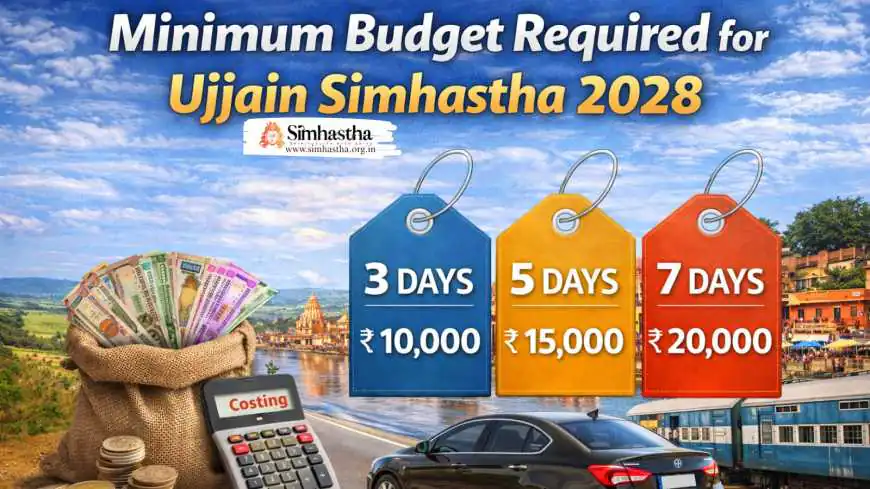
Planning Simhastha 2028 requires a massive financial commitment, but not every component of the event demands maximum spending. There exists a baseline or essential financial threshold that ensures the event can function safely and efficiently without unnecessary expansion. The minimum budget Simhastha 2028 focuses on core necessities such as basic infrastructure, crowd safety, transport connectivity, sanitation, and administrative coordination. This minimum budget is not about cutting corners but about identifying the most critical elements required to host millions of pilgrims while maintaining safety, order, and functionality. It represents the foundation upon which all additional enhancements are built, ensuring that even at its most basic level, Simhastha remains organized, secure, and operational.
Understanding What “Minimum Budget” Really Means
The concept of Ujjain Simhastha minimum cost does not imply a reduced or compromised event. Instead, it defines the essential financial requirement needed to ensure that the event can operate without risks.
This includes only the most critical components such as transport access, crowd control systems, sanitation, and temporary accommodation. Non-essential beautification projects or long-term luxury upgrades are excluded from this calculation.
Core Infrastructure Requirements
The largest portion of the Simhastha infrastructure minimum cost is allocated to basic infrastructure. This includes essential road repairs, temporary bridges, and access routes to key locations.
Trending Guides Now

Ujjain Simhastha 7 Day Itinerary for Families

How Many Days Are Enough for Ujjain? Complete Trip Planner

Ujjain Simhastha 5 Day Itinerary for Couples

2 Days Ujjain Solo Female Travel Plan Safe Guide

Ujjain Railway Station to Mahakaleshwar Temple Distance (2026 Guide)

Ujjain Simhastha 2028 Dates Announced: Full Shahi Snan & Event Timeline

Benefits of Becoming a Simhastha Volunteer

Ujjain Travel During Shravan Month: What Changes for Visitors
Instead of extensive urban redevelopment, the focus remains on ensuring that existing infrastructure can handle increased demand. Temporary additions are used where necessary to support peak loads.
Essential Road and Transport Connectivity
Transport is one of the most critical components of the Simhastha transport minimum budget. Even at a minimum level, roads must be functional, accessible, and capable of handling high traffic volumes.
This includes basic road widening, traffic control systems, and temporary transport arrangements. The goal is to ensure smooth movement rather than advanced or luxury transport systems.
Railway and Entry Point Management
Railways remain a primary mode of transport for pilgrims. The minimum budget includes provisions for additional train scheduling, basic station upgrades, and crowd control measures.
The Kumbh Mela essential budget India ensures that entry points such as railway stations are capable of handling large volumes without congestion.
Temporary Accommodation and Tent City Setup
Providing shelter for pilgrims is a non-negotiable requirement. The tent city essential cost Ujjain includes basic tents, lighting, water supply, and sanitation facilities.

Unlike premium setups, the minimum budget focuses on functionality and safety rather than comfort or luxury. This ensures that all pilgrims have access to essential facilities.
Water Supply and Basic Utilities
Water and utilities are critical for sustaining millions of people. The minimum budget includes temporary pipelines, storage systems, and distribution networks.
These systems are designed to meet basic needs without extensive infrastructure expansion, ensuring efficiency within the essential infrastructure Simhastha framework.
Sanitation and Waste Management Essentials
Sanitation is one of the most important components of the basic planning cost Ujjain Simhastha. Even at a minimum level, proper waste management systems must be in place.
This includes portable toilets, waste collection systems, and basic treatment facilities to maintain hygiene and prevent health risks.
Crowd Management and Safety Systems
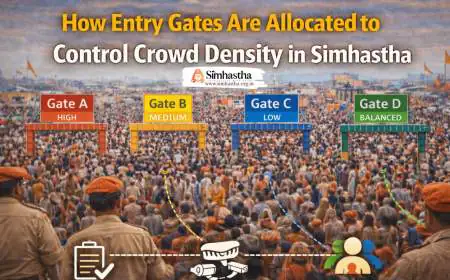
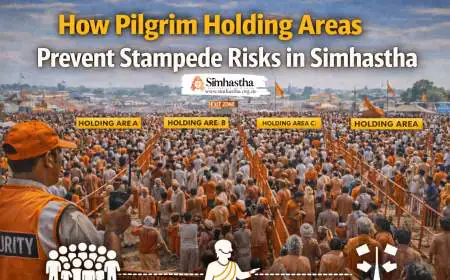
Safety cannot be compromised, even in a minimum budget scenario. The crowd management minimum budget includes barricades, surveillance systems, and trained personnel.
These systems ensure that crowd density is controlled and risks are minimized, forming the backbone of safe event management.
Security and Law Enforcement
Basic security arrangements are essential for maintaining order. The minimum budget includes deployment of police personnel and installation of essential monitoring systems.
This ensures that the event remains secure and any incidents can be handled quickly.
Healthcare and Emergency Services
Healthcare facilities are a critical part of the safety system cost Simhastha. The minimum budget includes temporary medical camps, ambulances, and emergency response teams.
These services ensure that medical assistance is available when needed, reducing risks during the event.
Fire Safety and Disaster Preparedness
Fire safety systems and disaster management plans are included in the minimum budget. This includes fire extinguishers, response teams, and emergency protocols.
These measures are essential for preventing and managing unexpected incidents.
Administrative and Operational Costs
Managing Simhastha requires coordination across multiple departments. The logistics budget minimum Simhastha includes administrative expenses, staffing, and operational planning.
These costs ensure that all systems function smoothly and efficiently.
Technology at a Basic Level
While advanced technology may not be part of the minimum budget, basic monitoring and communication systems are essential.
These systems support coordination and improve decision-making during the event.
Environmental Protection Essentials
Even at a minimum level, environmental considerations must be addressed. This includes basic river cleaning, waste management, and pollution control measures.
These steps ensure that the event does not harm the surrounding environment.
Financial Efficiency and Cost Optimization
The goal of the minimum budget Simhastha 2028 is to achieve maximum efficiency with limited resources. This requires careful planning and prioritization.
By focusing on essential components, authorities can ensure that the event runs smoothly without unnecessary expenditure.
Challenges of Operating on a Minimum Budget
Operating on a minimum budget presents challenges such as limited resources and reduced flexibility.
However, with proper planning and coordination, these challenges can be managed effectively, ensuring that essential services are not compromised.
A Foundation That Supports the Entire Event
The minimum budget represents the foundation of Simhastha planning. It ensures that all critical systems are in place, allowing the event to function safely and efficiently.
While additional investments can enhance the experience, this baseline ensures that the core objectives of safety, accessibility, and organization are achieved.
Frequently Asked Questions