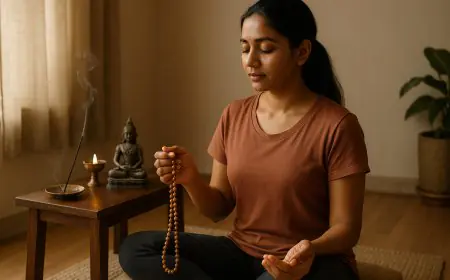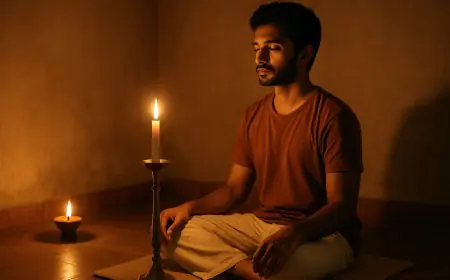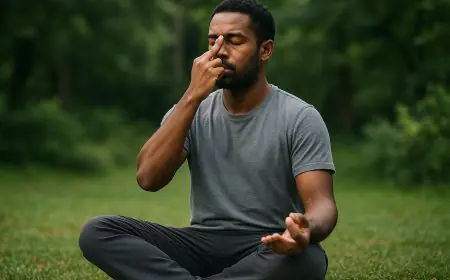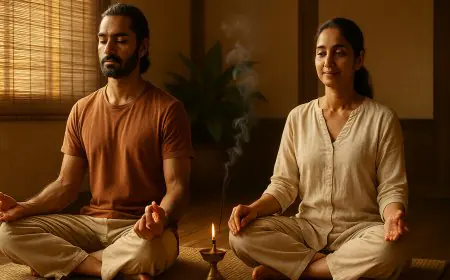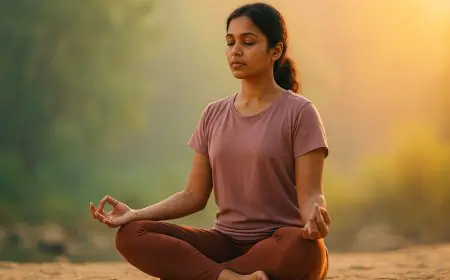



















Box Breathing Technique for Stress Relief: A Simple 4–4–4–4 Method
Explore the powerful 4–4–4–4 box breathing technique to relieve stress, calm your mind, and restore focus. A simple method for beginners and busy professionals.



Introduction — When Stress Rises, Breath Becomes the Medicine
In moments of stress, our breathing becomes shallow, fast, or irregular. This signals the brain to stay in “alert mode,” keeping anxiety alive. But one of the fastest ways to stop stress is also the simplest: changing your breath.
The Box Breathing Technique, also known as the 4–4–4–4 breathing method, is a powerful calming exercise used by yogis, athletes, and even Navy professionals to manage stress in high-pressure situations.
This technique is simple, accessible, and extremely effective in reducing mental tension, stabilizing emotions, and restoring focus.
In this detailed guide, you’ll learn exactly how to practice box breathing, why it works, and how to use it anytime stress takes over.
Trending Guides Now
Kundalini Meditation: A Safe and Simple Guide to Awakening Inner Energy
Gaze Meditation: Improving Concentration Naturally with Candle Flame Trataka
Indian Meditation Traditions: Journey from the Vedas to Modern Day Practices
Chanting Meditation for Beginners: Easy Steps to Start Mantra Chanting

Ujjain Railway Station to Mahakaleshwar Temple Distance (2026 Guide)

Ujjain Simhastha 2028 Dates Announced: Full Shahi Snan & Event Timeline

Ujjain Simhastha Update: CM Mohan Yadav Reviews 2028 Works

Karkateshwar Mahadev: 22/84 Mahadev of Ujjain
What Is Box Breathing?
Box Breathing is a structured breathing pattern where you:
-
Inhale for 4 seconds
-
Hold for 4 seconds
-
Exhale for 4 seconds
-
Hold for 4 seconds
This creates a “box” of equal duration breathing that calms the nervous system.

It is also called:
-
Square Breathing
-
Equal Breathing Technique
-
Four-Part Breathing
The beauty of this method is that it works within minutes, regardless of where you are or what you’re doing.
How Box Breathing Reduces Stress
1. Activates the Parasympathetic Nervous System
This shifts your body from “fight or flight” into “rest and relaxation.”
2. Lowers Heart Rate and Blood Pressure
The slow breathing pattern calms both body and mind.
3. Stops Overthinking
Counting and breath retention interrupt the cycle of anxious thoughts.
4. Improves Focus and Presence
The equal breathing rhythm creates mental stability.
5. Releases Body Tension
The extended exhalation helps relax muscles and the nervous system.
How to Practice Box Breathing (Step-by-Step Guide)
Step 1: Sit Comfortably
Sit upright on a chair or floor.
Relax your shoulders and unclench your jaw.
Step 2: Inhale for 4 Seconds
Breathe in slowly through your nose.
Feel your lungs expanding gently.
Step 3: Hold Your Breath for 4 Seconds
Keep the body relaxed.
This pause resets the nervous system.
Step 4: Exhale for 4 Seconds
Release the breath smoothly through the nose.
Step 5: Hold Again for 4 Seconds
Pause at the bottom of the breath.
Stay relaxed.
Repeat for 5–10 Rounds
More rounds = deeper calm.
Who Should Use Box Breathing?
Students preparing for exams
Professionals under heavy workload
People dealing with anxiety or overthinking
Meditators wanting deeper focus
Anyone needing instant calm
It is universal and beginner-friendly.
When Should You Practice Box Breathing?
1. Before meditation
Helps settle restlessness.
2. During stressful work moments
Instant grounding during overwhelm.
3. Before sleep
Reduces mental noise and tension.
4. During emotional imbalance
Helps prevent overreaction.
5. Before important decisions
Creates clarity and stability.
Mistakes to Avoid During Box Breathing
Forcing the breath
Breathing should be slow and gentle.
Counting too fast
Maintain slow, equal counts.
Tensing the body
Relax your face, shoulders, and neck.
Holding breath uncomfortably
If breath-holding feels stressful, shorten the count to 3–3–3–3.
Expecting instant perfection
Your nervous system needs time to respond.
Advanced Tips to Deepen the Practice
1. Practice in a Quiet, Dimly Lit Room
This enhances relaxation.
2. Keep the Spine Straight
Supports smoother breathing.
3. Add a Gentle Smile
A small smile relaxes facial muscles and calms the mind.
4. Use a Soft Timer
Let it run silently for 5–10 minutes.
5. Combine with Aromatherapy
Lavender, sandalwood, or jasmine enhance calmness.
The Science Behind Box Breathing
Studies show that slow, equal-ratio breathing:
-
lowers cortisol levels
-
increases heart rate variability (HRV)
-
improves emotional resilience
-
reduces sympathetic nervous activity
-
enhances oxygen distribution
This is why elite performers use it for calmness + focus under pressure.
A 5-Minute Box Breathing Session You Can Try Now
Minute 1:
4-inhale → 4-hold → 4-exhale → 4-hold
Minute 2:
Slow down your inhalation
Release tension in shoulders
Minute 3:
Feel your belly rising naturally
Minute 4:
Let your mind settle on the rhythm
Minute 5:
Release the breath softly
End with gratitude
You’ll feel instantly lighter.
Conclusion — Calmness in Four Equal Steps
Stress may be unavoidable, but suffering is not.
Your breath is always available, always calming, always grounding.
With Box Breathing, peace becomes a choice.
Every inhale, hold, exhale, and pause rewires your nervous system toward balance.
Practice daily, especially during stressful times, and watch your mind transform into a calmer, clearer, and more centered version of yourself.
Frequently Asked Questions