

















Vedic Meditation: Ancient Meditation Method for the Modern Mind
Learn how Vedic Meditation — rooted in ancient India — brings mental clarity, inner peace, focus and emotional balance to modern life through effortless mantra-based practice.


Vedic Meditation: Ancient Method for the Modern Mind
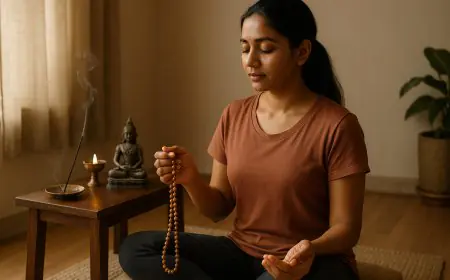
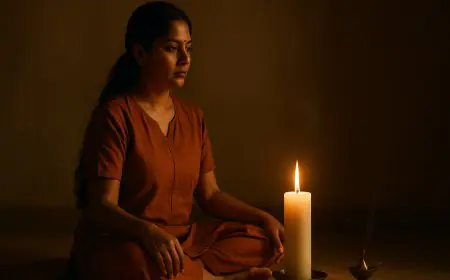
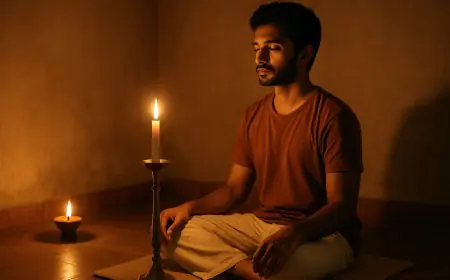
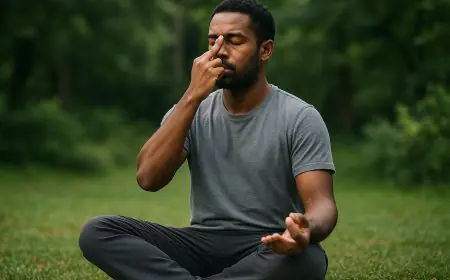
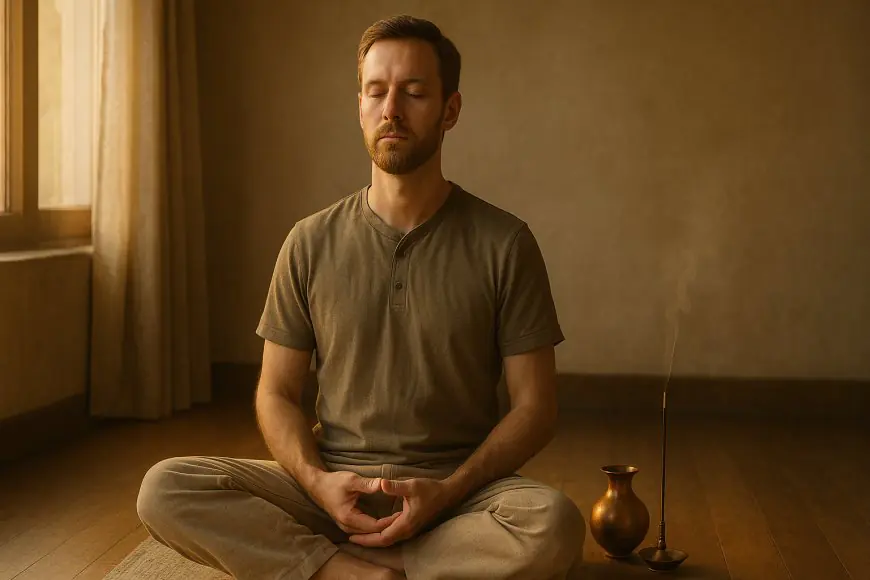
Vedic Meditation is one of the oldest meditation systems on Earth — rooted in the sacred Vedas of ancient India. What makes it unique is its effortless mantra-based approach, designed to relax the mind deeply without concentration, control or force. Unlike many modern techniques that demand focus or discipline, Vedic Meditation allows the mind to settle naturally, returning to its original calm and clarity.
This ancient practice has now become one of the most effective solutions for the stress-driven modern lifestyle. Its simplicity and accessibility make it suitable for professionals, students, parents, artists and anyone seeking mental ease and emotional balance.
What Makes Vedic Meditation Special?
Most people assume meditation must be hard — requiring focus or suppression of thoughts. But Vedic Meditation teaches the opposite:
The mind becomes quiet not by force — but by allowing it to rest.
Trending Guides Now
Color Meditation: A Simple Technique to Heal the Mind Through Visual Imagery
Transcendental Meditation: Simple Step-by-Step Process for Beginners
Indian Meditation Traditions: Journey from the Vedas to Modern Day Practices
Sitting Positions for Meditation: Padmasana to Chair Pose — The Ultimate Guide

Ujjain Railway Station to Mahakaleshwar Temple Distance (2026 Guide)

Ujjain Simhastha 2028 Dates Announced: Full Shahi Snan & Event Timeline

Ujjain Simhastha Update: CM Mohan Yadav Reviews 2028 Works

Karkateshwar Mahadev: 22/84 Mahadev of Ujjain
When the mind relaxes, stress melts, creativity rises and emotions stabilize.
Vedic meditation is:
-
Effortless
-
Natural
-
Sustainable
-
Deeply restorative


The result is a state of relaxed alertness — calm but awake, quiet yet present.
Historical Roots in the Vedas
Vedic Meditation comes from ancient India (≈ 3000+ years).
It was practiced by:
-
Rishis (sages)
-
Yogic scholars
-
Householders
-
Seekers of wisdom
It later evolved into other traditions:
-
Mantra Meditation
-
Transcendental Meditation
-
Bhakti Mantra Chanting
-
Nada Yoga (sound-based inner awareness)
The modern world is now rediscovering this timeless tool.
How Vedic Meditation Works
Vedic Meditation uses a personal silent mantra — not for chanting, but for inner ease.
When the mantra repeats gently in the mind:
-
Mental effort drops
-
Thoughts slow down
-
Awareness sinks into deep rest
The body often reaches a state deeper than sleep, releasing accumulated stress and fatigue.
The technique does not involve:
✘ Concentration
✘ Breath control
✘ Visualization
✘ Controlling thoughts
It is not thinking — and not trying not to think.
Benefits of Vedic Meditation
Consistent practice can result in:
-
60–90% reduction in stress response
-
Increased emotional balance
-
Improved concentration and productivity
-
Boost in creativity and intuitive thinking
-
Better sleep quality
-
Reduced anxiety and overthinking
-
Stronger resilience to pressure
-
Improvement in relationships through calm communication
Vedic Meditation strengthens the mind for both inner peace and worldly success.
Vedic Meditation vs Mindfulness vs Vipassana
| Practice | Method | Difficulty | Best For |
|---|---|---|---|
| Vedic Meditation | Effortless mantra | Easy | Stress + mental fatigue |
| Mindfulness | Observe present moment | Moderate | Awareness + grounding |
| Vipassana | Observe sensations | Challenging | Deep insight + reactivity reduction |
Vedic Meditation is ideal for people who feel too tired to analyze or observe the mind.
Vedic Meditation for Modern Life
The biggest strength of Vedic Meditation is practicality.
It fits busy lifestyles — only 15–20 minutes twice daily.
It can be practiced:
-
At home
-
At work
-
In travel
-
During stressful periods
It is not tied to religion, age or background — it is universal.
Common Experiences During Practice
Beginners often notice:
-
Lightness in breath
-
Warmth in the body
-
Emotional release or tears
-
Spontaneous thoughts slowing down
-
Deep rest and calm after meditation
All of these are healthy signs of stress release.
Final Thought
The modern world teaches speed.
The Vedas teach inner rest.
Vedic Meditation bridges both.
When the mind becomes rested, life becomes easier.
When stress melts, clarity grows.
When clarity grows, happiness becomes natural rather than effortful.
Vedic Meditation does not change the world — it changes how the mind meets the world.
Frequently Asked Questions