














Sitting Positions for Meditation: Padmasana to Chair Pose — The Ultimate Guide
Learn the best sitting positions for meditation — from Padmasana and Sukhasana to chair pose. Find your ideal posture for comfort, focus, and long, steady practice.



Sitting Positions for Meditation: Padmasana to Chair Pose
Introduction — Finding Stillness Through Stability
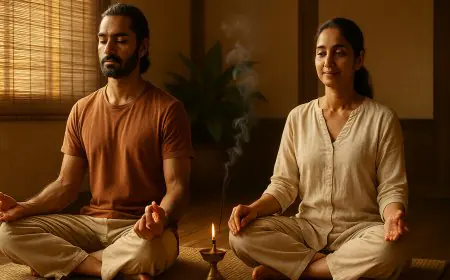
Before the mind becomes still, the body must first learn stability. In the yogic tradition, posture (asana) is not about stretching — it’s about creating a seat of ease and alertness. Meditation demands a balance between comfort and awareness, so your body supports the mind without distraction.
Whether you prefer the ancient Padmasana (Lotus Pose) or a simple chair meditation setup, the right sitting position helps energy flow freely, breath deepen naturally, and focus last longer. This guide explains the most effective postures — from traditional yogic seats to modern adaptations.
The Foundation of a Good Meditation Posture
A meditation posture must follow three core principles:
-
Spinal Alignment: The spine should be tall and straight, allowing prana (life force) to move freely.
Trending Guides Now
Color Meditation: A Simple Technique to Heal the Mind Through Visual Imagery
Transcendental Meditation: Simple Step-by-Step Process for Beginners
Indian Meditation Traditions: Journey from the Vedas to Modern Day Practices
Meditation in Sports Psychology and Performance: Unlocking Mental Strength for Athletes

Ujjain Railway Station to Mahakaleshwar Temple Distance (2026 Guide)

Ujjain Simhastha 2028 Dates Announced: Full Shahi Snan & Event Timeline

Ujjain Simhastha Update: CM Mohan Yadav Reviews 2028 Works

Karkateshwar Mahadev: 22/84 Mahadev of Ujjain
-
Stable Base: The hips and knees should be well-grounded for balance.
-
Relaxed Awareness: Muscles remain soft, face calm, breath unforced.
The goal is to sit in effortless steadiness (Sthira Sukham Asanam) — steady and pleasant posture.
1. Padmasana (Full Lotus Pose)
The most iconic meditation posture, Padmasana symbolizes stability and symmetry.
How to Practice:
-
Sit cross-legged and place each foot on the opposite thigh.
-
Keep spine upright, shoulders relaxed, chin parallel to the ground.

-
Rest hands in Jnana Mudra or Dhyana Mudra.

Benefits:
-
Promotes stillness and symmetrical energy flow.
-
Strengthens lower back and hips.
-
Considered ideal for deep meditation in yogic texts.
Note: Beginners should gradually prepare the hips and knees through gentle yoga before attempting full lotus.
2. Ardha Padmasana (Half Lotus Pose)
For many, the full lotus can be challenging. Half lotus offers a balanced alternative.
-
Place one foot on the opposite thigh while keeping the other foot beneath.
-
Align spine and hips evenly.
Benefits:
-
Provides stability without strain.
-
Easier to maintain for longer sittings.
3. Sukhasana (Easy Cross-Legged Pose)
Literally meaning “pleasant pose,” Sukhasana is ideal for beginners.
How to Practice:
-
Cross legs loosely, keeping ankles below knees.
-
Use a small cushion to elevate hips above knees.
-
Maintain natural lumbar curve.
Benefits:
-
Reduces lower back strain.
-
Encourages relaxation and mindfulness.
-
Suitable for all age groups.
4. Vajrasana (Thunderbolt Pose)
A kneeling position that is gentle on the back and aids digestion.
How to Practice:
-
Sit on your heels with knees together and spine erect.
-
Keep hands on thighs, eyes closed, and breathe naturally.
Benefits:
-
Excellent after meals.
-
Strengthens spine and legs.
-
Commonly used in Japanese Zen meditation (Seiza).
5. Chair Meditation Pose (Modern Adaptation)
Not everyone can sit cross-legged comfortably — and that’s perfectly fine. Meditation is about awareness, not acrobatics.
How to Practice:
-
Sit toward the front of a stable chair with feet flat on the floor.
-
Keep spine tall, shoulders open, and hands resting on thighs.
-
Avoid leaning on the backrest.
Benefits:
-
Great for beginners, seniors, and office practitioners.
-
Prevents leg numbness and back strain.
6. Supported Meditation with Cushions or Benches
You can use props like a zafu (round cushion), meditation bench, or folded blanket to maintain comfort.
A slight forward tilt of the hips helps keep the natural spine curve.
Avoid overly soft cushions — firmness supports alertness.
7. Posture Alignment and Energy Flow
-
Head: Balanced, chin slightly tucked.
-
Shoulders: Soft, away from ears.
-
Hands: Rest on knees or lap.
-
Spine: Straight but not rigid.
-
Eyes: Closed or softly focused downward.
When alignment is correct, breath moves effortlessly, and the body becomes the temple of awareness.
8. Common Posture Mistakes
-
Slouching or rounding the back.
-
Straining the knees in lotus poses.
-
Holding shoulders stiffly.
-
Sitting too long in discomfort.
-
Ignoring early signs of numbness.
Pain distracts the mind; comfort sustains meditation.
9. Tips for Long Sitting Practice
-
Stretch lightly before meditation.
-
Use a folded blanket to support ankles.
-
Change leg position every few sessions to prevent imbalance.
-
Practice hip-opening yoga poses regularly.
-
End each session with gentle neck and spine rotation.
Conclusion — Stability Opens Stillness
A proper sitting posture transforms meditation from effort to ease.
It’s not about how advanced your pose looks but how naturally still you can remain.
As your body learns balance, your mind finds silence — and in that stillness, meditation begins.
Frequently Asked Questions