



















The Great Tide and the Anatomy of Ujjain's Peak Season
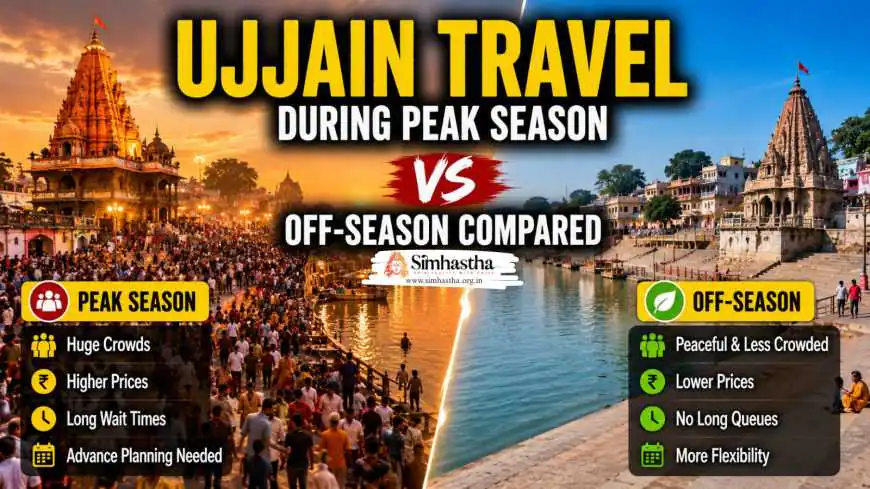
The peak season in Ujjain is not a gentle, gradual incline; it is a series of explosive, calendar-driven tsunamis of devotion that transform the city into a temporary spiritual megacity. The most intense of these is the holy month of Shravan (July-August), when every Monday draws a river of chanting, saffron-clad Kanwariyas and devotees to the Mahakaleshwar Temple, their queues snaking for kilometres through the Mahakal Lok corridor and the old city lanes. The other towering peak is Mahashivratri (February-March), the great night of Shiva, when the temple remains open for a continuous, twenty-four-hour vigil, and the pre-dawn Bhasma Aarti is the single most sought-after ritual of the year. The Simhastha Kumbh Mela, occurring every twelve years, is in a category of its own, a once-in-a-generation, month-long explosion of faith that draws ten crore pilgrims. Beyond these great festivals, the winter months from November to February, particularly around Kartik Purnima and Makar Sankranti, see a sustained, high-volume flow of pilgrims enjoying the pleasant weather. What defines this peak season is a shared, overwhelming intensity. The spiritual energy is a palpable, electric force that can lift you off your feet and carry you in a wave of collective, ecstatic devotion. The soundscape is a continuous, rolling thunder of bells, conch shells, and the chant of "Har Har Mahadev." The experience is not a quiet, personal retreat; it is a full-body, full-sensory immersion into the raw, unmediated, and magnificent power of a billion prayers concentrated into a single, sacred geography. 🔥
The Serene Sanctuary and the Quiet Grace of the Off-Season
The off-season in Ujjain is the long, gentle breath between these great storms. It encompasses the sweltering, sun-baked summer months of April to June, when the Malwa heat acts as a powerful, natural filter, keeping all but the most determined and physically resilient pilgrims away. It flows through the poetic, rain-washed monsoon season of July to September, which, with the crucial exception of the Shravan month itself, offers a lush, green, and dramatically beautiful Ujjain with remarkably thin crowds. And it settles into the serene, post-festival lulls, particularly the period after the winter rush subsides, in late January and February, and the weeks following a major festival. During the off-season, the city exhales. The queues at Mahakaleshwar shrink from hours to minutes, and a general darshan can become a deeply personal, almost private audience with the Lord of Time. The priests, no longer operating in a state of frantic, mechanical overdrive, have the time for a gentle smile, a longer blessing, and a quiet, unhurried moment of human connection. The ghats of the Shipra, particularly the quieter ones like Narsingh Ghat and Siddhavat, are often completely empty, offering the pilgrim a profound, meditative solitude. The hotel prices plummet back to their honest, grounded levels, the auto-rickshaw drivers are more relaxed and less inclined to inflate their fares, and the entire city seems to slow down to a gentle, peaceful, and deeply human pace. This is the Ujjain of the introverted seeker, the meditative pilgrim, the budget-conscious traveler, and anyone who seeks not the roaring spectacle of collective faith, but the quiet, transformative whisper of a personal encounter with the sacred. 🌿
A Comparative Table of the Two Worlds
Weather, Comfort, and the Physical Demands of the Pilgrimage
The external, physical environment plays a massive, often underestimated, role in shaping the pilgrimage experience. The peak festival of Mahashivratri falls in February or March, a time of generally pleasant, cool nights and warm days, which is physically manageable even in a dense, hours-long queue. Shravan, however, is a different beast entirely. The monsoon humidity is relentless, the rain can be sudden and torrential, and the combination of wet clothes, slippery ghats, and the immense, sweating crush of the crowd is a genuine physical endurance test. The off-season presents its own, different physical challenges. The summer months of April to June are brutally hot, with temperatures routinely crossing 40°C (104°F). A daytime darshan can be a draining, dehydrating ordeal, and the wise summer pilgrim structures their day around the cool, pre-dawn hours and the late evening, retreating to a shaded room during the harsh midday. The monsoon, outside of Shravan, offers the most physically comfortable off-season window. The rain cools the air, the city is washed clean and green, and the humidity, while present, is far more bearable without the crushing pressure of a festival crowd. The winter months, outside of the specific festival peaks, are arguably the most physically idyllic, with cool, crisp mornings and warm, sunny afternoons creating the perfect, gentle climate for a peaceful, extended exploration of the city's sacred geography. ☀️
The Economics of Devotion and the Cost of Peak vs Off-Peak
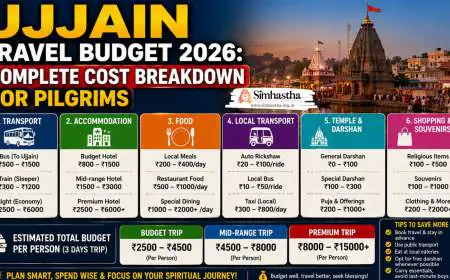
The financial difference between a peak-season and an off-season pilgrimage to Ujjain is not marginal; it is staggering. A simple, clean guesthouse room that costs ₹800 in the off-season will easily command ₹5,000 to ₹8,000 on a Shravan Monday, and a mid-range hotel room can surge to ₹15,000 or more. The off-season pilgrim can afford to stay in a far more comfortable, well-located property for a fraction of the peak cost, and can often negotiate a further discount for a longer, more leisurely stay. The same economic principle applies to transport, food, and even the puja offerings at the smaller shrines. The peak-season pilgrim must book everything months in advance, often paying a large, non-refundable deposit, and must accept the premium pricing as a non-negotiable reality. The off-season pilgrim has the luxury of spontaneity, of arriving without a rigid, pre-paid itinerary, and of allowing their spiritual intuition to guide their stay. For the budget-conscious pilgrim, the student, the retired devotee on a fixed income, or anyone for whom a pilgrimage is a significant financial sacrifice, the off-season is not a compromise; it is an empowering, democratic, and deeply wise choice that allows them to receive the full, undiluted grace of Mahakal without the crushing weight of financial anxiety. 💰
The Soul's Journey and Which Season Calls to You
In the profound, echoing silence of the off-season ghats, you will hear the quiet, intimate whisper of the Shipra, and you will have the space and the stillness to listen to the deepest, most hidden questions of your own heart. In the thunderous, ecstatic roar of the Shravan crowd, you will feel the immense, collective heartbeat of a billion souls, and you will be lifted, carried, and utterly dissolved in a wave of devotion that is far greater than your individual self. There is no "better" season in Ujjain. There is only the season that your soul, in its current, unique, and sacred stage of its journey, is being called to embrace. The extroverted bhakta who finds their deepest connection with the divine in a roaring, singing, swaying crowd will feel utterly alive in the beautiful, demanding chaos of the peak festival. The introverted seeker who needs silence, solitude, and a gentle, unhurried space to commune with the Lord of Time will find their spiritual home in the serene, empty, and deeply nurturing embrace of the off-season. The pilgrimage of Mahakal is not a one-size-fits-all garment; it is a beautifully tailored, deeply personal encounter with the eternal, and the season you choose is the first, most important step in crafting that encounter. Listen to your own heart. Do not be swayed by the Instagram photographs of the grand spectacle if what you truly need is the quiet, healing medicine of a silent, empty temple at dawn. Choose the season that will hold you, gently and powerfully, and carry you to the feet of the Lord in the way that you are most able to receive his grace. 🔱