



















Ujjain Travel for NRIs: What International Visitors Should Know
Plan your sacred journey with this essential Ujjain travel guide for NRIs and international visitors. From visa tips, currency, and temple protocols to premium stays, food safety, and Bhasma Aarti booking, discover what every foreign pilgrim must know.



Before You Leave and the Essential Pre‑Pilgrimage Checklist for the International Visitor
The success of your Ujjain pilgrimage is largely determined weeks before you board your flight. The first, most critical task is to secure your Bhasma Aarti pass. The pre‑dawn ash ritual at Mahakaleshwar is the spiritual apex of the city, and the passes, which are released in limited batches on the official Shri Mahakaleshwar Temple Management Committee website, sell out with astonishing speed, particularly for festival dates and the upcoming Simhastha 2028. Book your pass the very moment you have confirmed your travel dates. The second essential task is to book your accommodation, ideally a premium tent city, a well‑reviewed heritage hotel, or a government‑registered homestay, through the official Madhya Pradesh Tourism portal or the Simhastha booking platform. Do not, under any circumstances, arrive in Ujjain without a confirmed, pre‑paid reservation, as the city's inventory of comfortable, foreigner‑friendly rooms is extremely limited and vanishes months in advance during peak seasons. The third task is to ensure your visa is in order; for most NRIs, an OCI card is the most seamless option, while other foreign nationals must secure a valid tourist e‑visa or a regular visa, ensuring that your passport has at least six months of validity beyond your intended departure date from India. The fourth, and most spiritually significant, task is the inner preparation. In the weeks leading up to your journey, consider adopting a simple, sattvic vegetarian diet, reducing or eliminating alcohol and meat, and familiarizing yourself with the core mantras—"Om Namah Shivaya" and the Mahamrityunjaya Mantra—that will serve as your sonic anchor in the intense, overwhelming, and ecstatically charged atmosphere of the temple queues. This inner discipline is not a rigid, joyless rule; it is a gentle, conscious preparation of the vessel, a way of ensuring that your body and mind are ready to receive the full, transformative impact of the darshan. ✅
Arriving in the Heart of India and Navigating Indore Airport and the Road to Ujjain
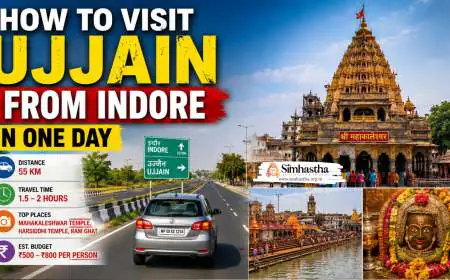
Your international flight will almost certainly land at Devi Ahilya Bai Holkar International Airport in Indore, the bustling commercial capital of Madhya Pradesh, located approximately 55 kilometres from the sacred ghats of Ujjain. The airport, which is currently undergoing a significant, Simhastha‑driven expansion, has improving connectivity, with direct flights from major Indian hubs like Delhi, Mumbai, and Bangalore, and a growing number of direct international connections from the Gulf and Southeast Asia. The moment you step out of the cool, air‑conditioned arrivals hall, you will be greeted by a wave of warm, dry air and the familiar, chaotic scrum of Indian taxi touts. For the international visitor, the safest, most comfortable, and most reliable option is to pre‑book an airport transfer through your hotel, your tent city operator, or a reputable, government‑approved private taxi service. This car will be waiting for you with a clean, air‑conditioned interior, a professionally trained, English‑speaking driver who knows the precise, often unmarked, route to your accommodation, and the profound peace of mind that you will not be subjected to the exhausting, disorienting negotiation with an unfamiliar auto‑rickshaw driver after a long, draining international flight. The drive to Ujjain, on the newly widened, six‑lane highway, takes approximately one to one and a half hours, a gentle, sun‑drenched transition through the fertile, wheat‑growing fields of the Malwa countryside, a quiet, visual meditation that prepares you for the sacred intensity of the city that awaits. 🚆
Where the International Pilgrim Rests and Choosing the Right Sanctuary
For the NRI or the international visitor, the choice of accommodation is not merely a matter of budget; it is the single most critical decision that will shape the entire texture and comfort of your pilgrimage. Ujjain's traditional, budget guesthouses, while clean and deeply authentic, often lack the amenities that a foreign traveler, particularly one who may be older, traveling with a young family, or dealing with the physical stress of a long journey and the Indian climate, requires for genuine, restorative rest. The most strategically intelligent, comfortable, and spiritually aligned choice is one of the official premium tent cities that are being developed for the Simhastha 2028 and that are increasingly available year‑round. These canvas pavilions offer a beautifully curated bridge between the raw, immersive spiritual energy of the Kumbh and the essential, nurturing comforts of a luxury hotel: a king‑sized bed with fine linen, an attached, private bathroom with a hot rain shower and modern sanitary fittings, silent, inverter‑backed air‑conditioning, a personal butler, and a dedicated, private shuttle service to the ghats. The next best option is a well‑established heritage hotel or a reputable, mid‑range business hotel in the city, where a clean, reliable Western‑style bathroom, a decent in‑house vegetarian restaurant, and a helpful, English‑speaking front desk are guaranteed. The rapidly expanding network of government‑registered homestays offers a third, deeply personal, and culturally immersive option, where a local family provides a clean, simple room, a warm, home‑cooked sattvic meal, and the priceless, intangible gift of feeling like a welcomed guest in a sacred home rather than an anonymous customer in a commercial establishment. Whatever your choice, you must book it months in advance, you must read the most recent reviews specifically from foreign travelers, and you must explicitly confirm the availability of hot water, a functional air‑conditioner, and a reliable, high‑speed WiFi connection before you commit your payment. 🏨
The Temple Protocols and Walking the Sacred Ground with Respect
The great temples of Ujjain, particularly the supremely sacred Mahakaleshwar Jyotirlinga and the fierce, tantric Kal Bhairav shrine, are not museums or tourist attractions; they are the living, beating, and intensely powerful private chambers of the divine, and entering them requires a specific, unwavering code of physical and spiritual conduct. The most important rule, for all visitors but especially for the international pilgrim who may be unfamiliar with the nuances, is the absolute prohibition of leather. Leather belts, wallets, watch straps, jackets, and bags are strictly, non‑negotiably forbidden inside the inner sanctum areas of the major temples. The security guards at the checkpoints will stop you, and you will be forced to surrender your expensive leather items to a chaotic, unsecured pile, an experience that is both stressful and deeply avoidable. Wear a simple, non‑leather, cloth belt or, ideally, a pair of well‑fitting drawstring pants, and carry a simple, cloth wallet. The dress code for both men and women is one of complete, respectful modesty. For men, a clean, simple kurta‑pajama is the ideal and the most culturally immersive choice. For women, a salwar kameez, a saree, or a long, loose skirt with a modest top and a dupatta is perfect. The dupatta is an essential, multi‑functional tool; it will be used reverently to cover your head when you enter the dark, sacred inner sanctum, a gesture of profound respect that will immediately and warmly distinguish you from the casual tourist. Shorts, sleeveless tops, and any tight, revealing, or overly casual clothing are deeply disrespectful. Your footwear must be the simplest, easiest‑to‑remove slip‑on sandals you own; you will be taking them off repeatedly, at multiple checkpoints, and complicated laces are a frustrating, time‑consuming burden. Before you enter the temple queue, you must deposit your mobile phone, your camera, your smartwatch, and any other electronic devices at the secure, designated locker rooms. The inner sanctum is a space of profound, intimate, and unmediated spiritual encounter, and you will enter it with nothing but your folded hands, your open heart, and your silent, humble prayer. 📿
Trending Guides Now

Ujjain Simhastha 7 Day Itinerary for Families

Is Phone Allowed in Mahakaleshwar Temple Ujjain?

Best Time to Visit Ujjain Simhastha 2028 Crowd Levels & Pilgrim Guide

How Many Days Are Enough for Ujjain? Complete Trip Planner

Ujjain Railway Station to Mahakaleshwar Temple Distance (2026 Guide)

Ujjain Simhastha 2028 Dates Announced: Full Shahi Snan & Event Timeline

Ujjain to Mahakaleshwar Temple Distance & Taxi Fare (2026)
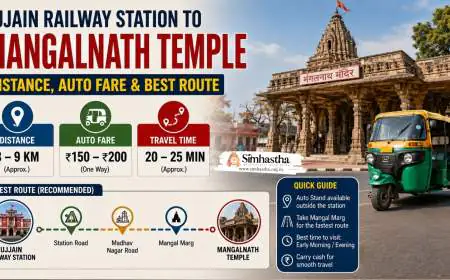
Ujjain Railway Station to Mangalnath Temple: Distance, Auto Fare and Best Route
The Bhasma Aarti and Kal Bhairav and Navigating the Unique Rituals
For the international visitor, the two most iconic, powerful, and logistically complex rituals of Ujjain are the pre‑dawn Bhasma Aarti at Mahakaleshwar and the fierce, tantric liquor offering at the Kal Bhairav Temple. The Bhasma Aarti, the sacred offering of fresh cremation ash to the Jyotirlinga, is an experience of such profound, visceral, and transformative spiritual intensity that it draws pilgrims from across the globe. The passes, as mentioned, must be booked online, weeks or months in advance, through the official temple portal. On the day of the aarti, you must report to the temple by 3:00 AM, dressed in clean, modest, and warm clothing, and you must be prepared for a long, patient wait in the pre‑dawn darkness before you are ushered, in a controlled, silent flow, into the lamp‑lit, ash‑scented sanctum. The ritual itself is brief, a few fleeting, breathtaking minutes of chants, fire, and the sacred, grey powder being applied to the dark stone, but its impact on the soul is eternal. At the Kal Bhairav Temple, the unique, startling, and deeply misunderstood ritual is the offering of a sealed bottle of liquor to the fierce, protective guardian deity. As a foreign visitor, you may find this ritual strange or even uncomfortable. Understand that this is a profound, ancient tantric practice of total surrender, not a profane act. The bottle must be sealed and unopened, and you hand it, with a quiet, respectful prayer, to the attending priest. He will open it, pour a small measure against the deity's lips, and return the remainder to you as sanctified prasad. You do not drink it inside the temple. You treat the returned bottle with the same reverence as you would a packet of sacred ash or a blessed garland. For both these rituals, approach them not with a camera or a skeptical, analytical mind, but with an open, humble, and deeply respectful heart, and they will reward you with an experience that is unlike any other on earth. 🍾
The Body's Temple and Staying Healthy, Hydrated, and Safe
The body of the international pilgrim, unaccustomed to the local water, the intense heat, and the dense, jostling crowds, is the sacred vehicle that carries the soul to the darshan, and it must be cared for with a gentle, intelligent, and uncompromising discipline. The golden rule of gastrointestinal health in India is absolute, and it applies with particular force in a pilgrimage city: never drink the tap water, and never even brush your teeth with it. Always, without exception, use bottled, sealed, mineral water from a reputable brand, and check that the seal is intact before you open it. The new network of filtered Water ATMs and refill stations, which are being installed across the city for the Simhastha, are a welcome, modern convenience, but if you have any doubt whatsoever about the safety of the water, stick to sealed, bottled water. Eat only at clean, reputable establishments; the ISKCON Ujjain restaurant, with its pure, sattvic, and impeccably maintained kitchen, is a reliable, peaceful, and deeply satisfying sanctuary for the foreign pilgrim. If you are eating street food, which is a glorious, essential, and unforgettable part of the Ujjain experience, choose stalls that are crowded with local families, where the food is cooked fresh before your eyes, and where the oil is visibly hot and clean. Avoid raw, pre‑cut fruits, salads, and any ice from unknown sources. Your personal, portable pharmacy is essential. Pack a strong, broad‑spectrum antibiotic prescribed by your doctor for traveler’s diarrhea, a course of anti‑malarial medication if you are traveling during or immediately after the monsoon, a powerful insect repellent containing DEET, high‑SPF sunscreen, a wide‑brimmed hat, and a generous supply of oral rehydration salts (ORS). Wash your hands frequently and thoroughly with soap and water, or use a strong alcohol‑based hand sanitizer before every meal and after every temple visit. The pilgrim who cares for their body with this quiet, practical wisdom is the pilgrim who will have the physical strength and the mental clarity to pray deeply, to stand patiently in the long queues, and to receive the full, transformative grace of the Lord of Time. 🩺
Money, Connectivity, and the Digital Pilgrim's Toolkit
For the international pilgrim, managing money and staying connected requires a small, pre‑planned digital toolkit. While UPI apps like Google Pay and PhonePe are ubiquitous across India, they are often linked to an Indian bank account and a domestic mobile number, which the short‑term NRI may not have. Therefore, you must carry a sufficient amount of Indian Rupees (INR) in cash, and, crucially, a mix of smaller denominations—₹100, ₹50, and ₹20 notes—which are the essential, life‑giving currency of the auto‑rickshaw driver, the chaiwallah, and the small temple offering. Use your international credit or debit card to withdraw cash from the reliable ATMs of the major nationalized banks, and always carry a minimum of two cards, from two different banks, stored in two separate, secure locations. For connectivity, a local Indian SIM card is the single most empowering digital tool you can possess. An Airtel or Jio prepaid SIM, obtained from a formal store at the Indore airport or in the city, with a simple passport and visa verification process, will give you reliable, high‑speed 4G data, the ability to call local numbers, and the priceless, reassuring gift of being connected. Download an offline map of Ujjain on Google Maps before you leave your hotel's WiFi, as the mobile signal in the narrow, crowded lanes of the old city can be frustratingly unreliable. Carry a high‑capacity power bank, as you will be away from charging points for long hours. And always, as a silent, practical guardian, keep a printed, physical copy of your passport, your visa, your Bhasma Aarti pass, and your hotel booking confirmation in a secure, waterproof pouch. The digital pilgrim is an empowered, safe, and confident pilgrim. 📱
The Inner Posture and Approaching Ujjain with a Pilgrim's Heart
The most important piece of advice for the NRI or international visitor to Ujjain is not about currency, visas, or water, but about the quiet, humble, and profoundly respectful inner posture with which you approach this ancient, sacred city. You are not a tourist who has paid for a service; you are a pilgrim, a seeker, a soul who has traveled across oceans to stand, in awe and surrender, before the Lord of Time. The long, dense queue at the temple is not an inconvenience to be resented; it is the great, democratic congregation of the faithful, and your patient, silent, and uncomplaining presence within it is itself a powerful, transformative spiritual practice. The chaos, the noise, the dust, and the intense, unpredictable sensory overload of the city are not obstacles to your spiritual experience; they are, if you allow them, the very crucible in which your ego is slowly, gently, and lovingly dissolved. The foreign pilgrim who arrives with a sense of entitled demand, who complains about the heat, the crowd, and the lack of Western amenities, will leave Ujjain exhausted, frustrated, and spiritually empty. The foreign pilgrim who arrives with a humble, open heart, a quiet, trusting smile, and a deep, unshakeable faith in the ancient, all‑providing grace of Mahakal, will leave Ujjain transformed, their soul imprinted with the eternal, ash‑smeared, and deeply loving presence of the Lord who watches over all who come to his sacred, timeless city. The journey is the pilgrimage, and your attitude is the single most powerful tool you carry. 🙏
Frequently Asked Questions