



















Trimbakeshwar Jyotirlinga: The Sacred Abode of Lord Shiva in Nashik
Discover the divine power of Trimbakeshwar Jyotirlinga in Nashik -its history, significance, darshan timings, rituals, and complete travel guide for a deeply spiritual pilgrimage.
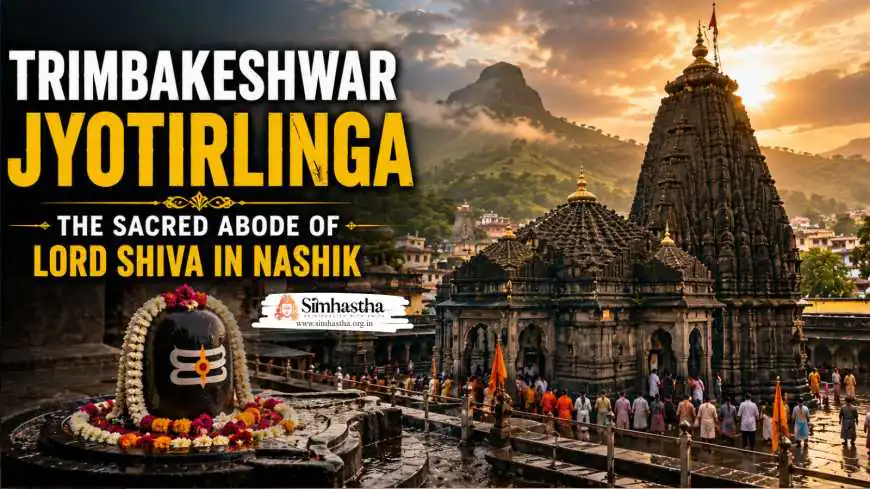


Trimbakeshwar Jyotirlinga: Where Divine Purity Meets Eternal Truth
Nestled in the serene foothills of the Brahmagiri Mountain in Nashik, Maharashtra, the Trimbakeshwar Jyotirlinga stands as one of the most sacred seats of Lord Shiva. Revered as one of the 12 Jyotirlingas, this ancient temple is not just a pilgrimage site—it is a spiritual powerhouse where the holy rivers, celestial forces, and Vedic traditions converge.
The air around Trimbakeshwar carries a mystical stillness. Here, devotion is not just practiced; it is felt deeply. The chants of “Har Har Mahadev,” the sacred waters of Kushavarta Kund, and the evergreen forests surrounding Brahmagiri create an atmosphere that uplifts every seeker who arrives in pursuit of spiritual awakening.
For Every pilgrims, understanding Simhastha 2028 dates and the official Shahi Snan timeline is essential before booking flights or accommodation, as these sacred dates are completely non-negotiable.
The Origin and Legend Behind Trimbakeshwar
The legends of Trimbakeshwar date back to the ancient Puranic era. According to the Shiva Purana, the river Godavari, the eldest among all rivers, was brought to Earth through the intense tapasya of sage Gautama.
Trending Guides Now

Rameshwaram Temple Guide: History, Darshan Timings, Rituals & Spiritual Significance (2026)
Vaidyanath Jyotirlinga: The Divine Healing Abode of Lord Shiva in Deoghar

Bhimashankar Jyotirlinga 2026: The Ultimate Guide to History, Trekking & Darshan

Kashi Vishwanath Temple: The Eternal Abode of Lord Shiva in Varanasi

Ujjain Railway Station to Mahakaleshwar Temple Distance (2026 Guide)

Ujjain Simhastha 2028 Dates Announced: Full Shahi Snan & Event Timeline

Ujjain Simhastha Update: CM Mohan Yadav Reviews 2028 Works

Karkateshwar Mahadev: 22/84 Mahadev of Ujjain
Pleased with the sage’s austerities, Lord Shiva granted his wish and manifested as the Trimbakeshwar Jyotirlinga. The holy Godavari begins her journey here, making this Jyotirlinga unique—where divine fire (Shiva) and sacred water (Ganga/Godavari) meet.
But the temple’s most mystical aspect is its three-faced Jyotirlinga, representing:
-
Brahma – Creation
-
Vishnu – Preservation
-
Mahesh (Shiva) – Destruction
No other Jyotirlinga in India presents this trinity, making Trimbakeshwar one of the most spiritually potent Jyotirlingas in the country.

The Temple Architecture: A Masterpiece of Black Basalt
The temple, constructed by the Maratha ruler Nana Saheb Peshwa in the 18th century, is carved entirely out of black basalt rock sourced from the Brahmagiri hills. Its Nagara-style architecture, adorned with intricate sculptures of deities, saints, and divine beings, stands as a testament to Maharashtra’s timeless heritage.
Key architectural features include:
-
The three-faced Jyotirlinga protected by a jeweled crown
-
A large central mandap with ancient carvings
-
Massive stone pillars that carry the spiritual weight of centuries
-
The sacred Kushavarta Kund, regarded as the origin of the Godavari
-
Traditional wooden roof elements that reflect ancient engineering
Every stone in this temple narrates a story—of faith, energy, and the eternal presence of Mahadev.
The Sacred Kushavarta Kund: Where Sins Are Washed Away
A few meters from the main shrine lies Kushavarta—the holiest kund where pilgrims perform ritual baths to purify their mind, body, and karma. According to scriptures:
“Bathing in Kushavarta liberates one from past-life sins and sorrow.”
It is from here that the Godavari takes its earthly form, making this kund spiritually equivalent to Prayagraj’s Triveni Sangam.
Why Trimbakeshwar Holds Special Astrological Significance
Trimbakeshwar is considered the most powerful temple in India for the following rituals:
-
Kaal Sarp Dosh Puja
-
Narayan Nagbali Puja
-
Maha Mrityunjaya Jaap
-
Pitru Dosh Puja
-
Tripindi Shraddha
Devotees from across the world come to Trimbak to neutralize doshas and seek peace for their ancestors. The temple’s location, aligned with cosmic ley lines, enhances the potency of every ritual performed here.
Best Time for Darshan
While the temple is visited throughout the year, the most spiritually charged periods include:
-
Shravan Month (July–August)
-
Karthik Purnima
-
Godavari Pushkar
-
Kumbh Mela (once every 12 years)
During these times, Trimbak becomes a vibrant center of devotion, drawing millions of seekers.
How to Reach Trimbakeshwar
Nearest Airport: Nashik Ozar Airport (31 km) / Mumbai Airport (180 km)
Nearest Railway Station: Nashik Road (38 km)
Road Connectivity: Excellent via Nashik–Trimbak ghat road
Autos, buses, and direct cabs are available from Nashik city.
Tips for a Comfortable Pilgrimage
-
Dress modestly; traditional wear is recommended for certain rituals
-
Book Kaal Sarp Dosh pujas in advance
-
Photography is restricted inside the temple
-
Early morning darshan is the most peaceful
-
Keep footwear in designated stalls only
-
Always check official announcements during festive seasons
The Soulful Experience of Trimbakeshwar
Stepping into Trimbakeshwar is like stepping into a different dimension. The temple’s spiritual energy is so powerful that even silence feels divine. The subtle fragrance of incense, the holy chants, and the cool stone floors beneath your feet create a transformative environment.
Pilgrims often describe feeling a deep inner peace—an unexplainable sense of connection, as though Mahadev Himself is watching over them.
Frequently Asked Questions