


















Tibetan Buddhist Meditation Techniques Explained for Inner Peace and Awareness
Learn the traditional Tibetan Buddhist meditation techniques that cultivate inner peace, compassion, awareness and emotional healing through visualization, breath and mantra.
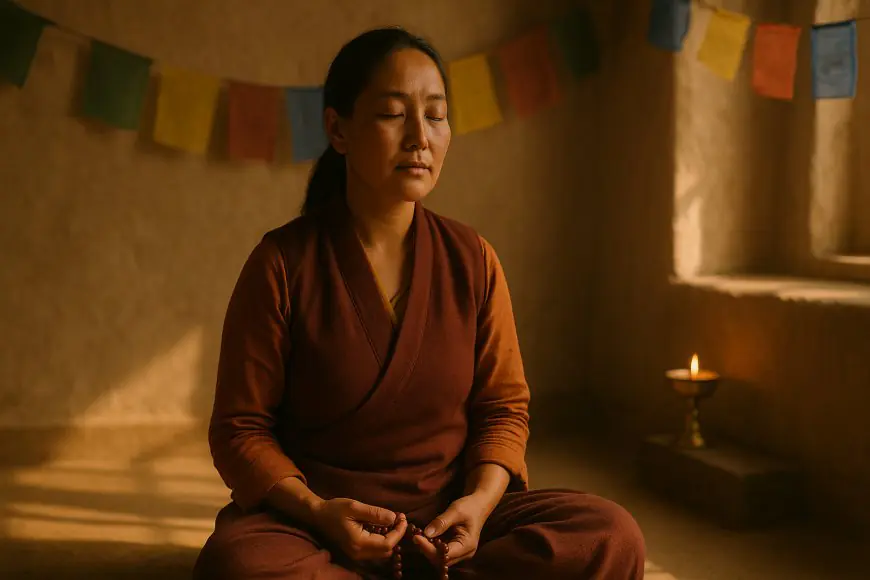


Tibetan Buddhist Meditation Techniques Explained
Tibetan Buddhism contains some of the most powerful meditation systems in the world, designed not only for personal peace but also for compassion, wisdom and emotional healing. Unlike simple relaxation practices, Tibetan meditation trains the mind to develop deep awareness, emotional resilience and unconditional kindness. It combines breath, visualization, mantra chanting and focused compassion to transform how one experiences life.
Tibetan meditation is not about escaping the world. It is about becoming so calm, open and aware that life can no longer disturb inner peace. This is why it has been practiced in monasteries and among everyday householders for centuries.
The Foundation of Tibetan Buddhist Meditation
Tibetan meditation is based on three pillars:
-
Awareness of the present moment
Trending Guides Now

Color Meditation: A Simple Technique to Heal the Mind Through Visual Imagery
Transcendental Meditation: Simple Step-by-Step Process for Beginners
Indian Meditation Traditions: Journey from the Vedas to Modern Day Practices

Sitting Positions for Meditation: Padmasana to Chair Pose — The Ultimate Guide

Ujjain Railway Station to Mahakaleshwar Temple Distance (2026 Guide)

Ujjain Simhastha 2028 Dates Announced: Full Shahi Snan & Event Timeline

Ujjain Simhastha Update: CM Mohan Yadav Reviews 2028 Works

Karkateshwar Mahadev: 22/84 Mahadev of Ujjain
-
Compassion for self and others
-
Wisdom about the nature of reality
When these three qualities grow together, the mind becomes strong yet soft, focused yet compassionate.
Major Tibetan Meditation Techniques
1️⃣ Breath Awareness (Shamatha)
This is the starting point for most Tibetan meditators.
Goal: Calm and stabilize the mind
Method: Observe natural breathing without control
Outcome: Focus, clarity and reduced racing thoughts
Beginners may use counting (1 to 10) to maintain focus, but eventually the mind learns to observe without effort.

2️⃣ Loving-Kindness Meditation (Metta / Jampa)
This practice develops compassion and emotional warmth.
Steps commonly include silently repeating phrases like:
-
May I be safe
-
May I be peaceful
-
May I be healthy
-
May I live with ease
Then these blessings are gradually offered to:
-
Loved ones
-
Strangers
-
Difficult people
-
All beings everywhere
This method is one of the most powerful tools against anger, guilt and loneliness.
3️⃣ Tonglen (Compassion Breathing)
One of the most healing Tibetan practices.
Process:
-
Inhale visualizing the pain or suffering of others
-
Exhale visualizing comfort, love and healing
Symbolically:
Breathing in = acceptance of what is
Breathing out = kindness and relief
Tonglen dissolves fear, hatred and emotional walls by increasing compassion and courage.
4️⃣ Visualization Meditation (Deity or Symbol Imagery)
Tibetan meditation often uses sacred imagery for inner transformation.
Examples:
-
Buddha of Compassion (Chenrezig)
-
Medicine Buddha (Healing)
-
Green Tara (Protection and support)
The goal is not worship, but absorbing qualities such as compassion, strength or protection.
Visualization rewires emotional patterns through inner imagery.
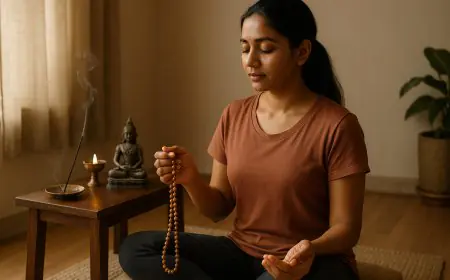
5️⃣ Mantra Meditation (Chanting)
Repeating sacred sounds to train awareness and purify emotional patterns.
The most universal Tibetan Buddhist mantra:
Om Mani Padme Hum
Benefits:
-
Calms the nervous system
-
Opens the heart
-
Reduces inner fear
-
Strengthens compassion
Mantras can be chanted aloud, whispered or repeated mentally.
6️⃣ Dzogchen (The Great Perfection)
One of the highest Tibetan teachings.
Dzogchen points directly to the true nature of the mind — awareness itself.
Instead of changing experience, the practitioner rests in pure presence.
Dzogchen is simple but profound:
-
Nothing to remove
-
Nothing to add
-
Nothing to change
Just recognize awareness and stay there.
Emotional and Psychological Benefits
With regular Tibetan meditation practice:
-
Overthinking reduces
-
Confidence increases
-
Trauma and emotional pain soften
-
Anger and guilt decrease
-
Compassion grows naturally
-
Sleep improves
-
Life becomes less reactive and more intentional
Unlike short-term stress relief practices, Tibetan meditation builds long-term emotional resilience.
Daily Practice Schedule for Growth
| Week | Focus |
|---|---|
| 1–2 | Breath awareness |
| 3–4 | Loving-kindness |
| 5–6 | Tonglen + mantra |
| 7+ | Visualization or Dzogchen (optional) |
Meditation does not have to be perfect — it has to be consistent.
Final Thought
Tibetan meditation teaches something that modern life often forgets:
A strong mind is not hard — it is compassionate.
A peaceful mind is not empty — it is awake.
A wise mind is not cold — it is kind.
Peace is not the absence of challenges — it is the presence of awareness and compassion within them.
Frequently Asked Questions