


















Meditation to Overcome Fear and Doubt and Build Inner Confidence
Discover how meditation can help you overcome fear and doubt by calming the mind, increasing self-trust, and building emotional strength from within.
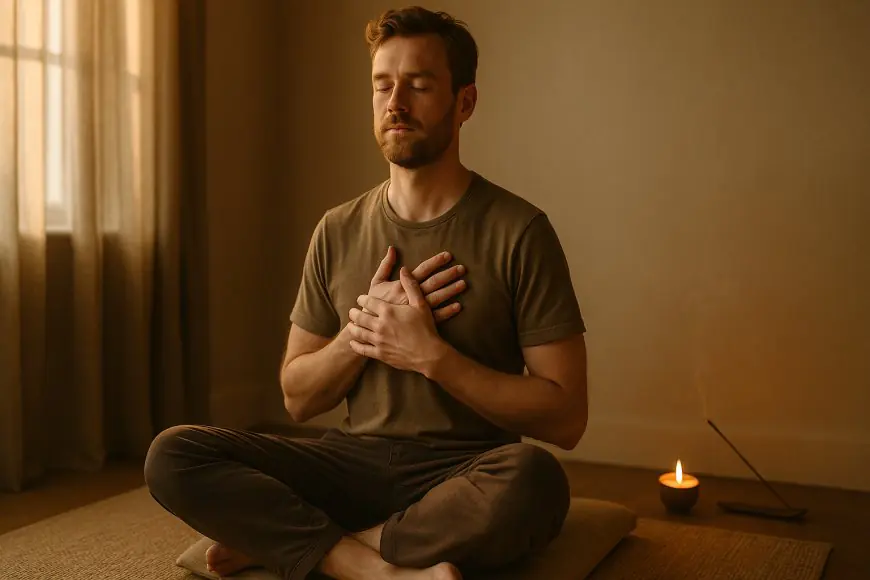


Meditation to Overcome Fear and Doubt
Fear and doubt are two of the most powerful emotional barriers in life. They hold us back from making decisions, trusting ourselves, taking opportunities, and living with confidence. Fear limits what we attempt; doubt limits what we believe is possible. Both create invisible boundaries around life and silently control our thoughts, choices, relationships, and achievements.
Meditation offers a deeply effective path to transform fear and doubt. Instead of forcing courage or pretending to feel confident, meditation allows you to understand fear, soften it, and move beyond it with calm inner strength. It does not suppress fear; it dissolves the emotional grip fear has on the mind.
Fear becomes powerless not when it disappears, but when you stop obeying it.
Why Fear and Doubt Become Strong
The mind forms fear and doubt out of:
Trending Guides Now
Using Mala Beads in Meditation Practice: A Complete Beginner’s Guide

Trataka Meditation in Indian Yogic System: Candle Gazing for Concentration and Inner Clarity

Observing Thoughts Meditation: The Ultimate Method to Detach From the Mind

Third Eye Meditation: How to Awaken Intuition and Deep Inner Awareness

Ujjain Railway Station to Mahakaleshwar Temple Distance (2026 Guide)

Ujjain Simhastha 2028 Dates Announced: Full Shahi Snan & Event Timeline

Ujjain Simhastha Update: CM Mohan Yadav Reviews 2028 Works

Karkateshwar Mahadev: 22/84 Mahadev of Ujjain
-
Painful past experiences
-
Harsh criticism from others
-
Failure or rejection
-
Lack of emotional support
-
Comparison and insecurity
-
Uncertainty about the future


Fear says, “Something bad might happen.”
Doubt says, “I can’t handle it.”
Meditation brings a new voice to the mind:
“I am safe, I am capable, and I can trust myself.”
How Meditation Dissolves Fear and Doubt
Meditation slowly rewires emotional patterns by:
✔ Calming the fight-or-flight stress response
✔ Slowing down overthinking and worst-case thinking
✔ Creating emotional space before reactions
✔ Strengthening awareness and self-trust
Fear becomes smaller each time the mind practices calm awareness instead of panic.
What You Experience During Meditation for Fear
The emotional journey usually follows this pattern:
-
Fear or doubt appears in the mind
-
Breath deepens naturally
-
The body releases tension
-
Thoughts lose intensity
-
Calmness returns
-
Inner courage becomes accessible
Courage is not the absence of fear — it is the ability to stay calm even when fear is present.
The Inner Transformation
With regular practice, you begin to notice:
-
Confidence while making decisions
-
Less overthinking about the future
-
More self-respect and self-trust
-
Clarity in difficult moments
-
Greater belief in personal abilities
Small acts of courage become natural, and doubt slowly fades.
Fear Is Not the Enemy
Fear is only trying to protect you.
But sometimes it protects too much — it builds walls instead of safety.
Meditation helps the mind understand fear instead of fighting it.
Once understood, fear softens.
21-Day Fear-to-Confidence Meditation Plan
| Days | Focus |
|---|---|
| 1–7 | Calming anxiety and fear patterns |
| 8–14 | Strengthening self-confidence |
| 15–21 | Releasing limiting beliefs |
When the mind learns to access calmness during fear, confidence becomes a natural emotional habit.
Final Thought
Fear and doubt do not disappear in one moment — but every moment of calm awareness frees you from their control. Meditation gives you inner strength not by changing the world outside, but by changing how you feel inside. The more you train the mind to stay present, the more courage grows and the less fear can lead your life.
You deserve to live with confidence, self-respect, and trust — and meditation is the key that opens that door.
Frequently Asked Questions