

















Meditation for Anxiety Control: A Calm Mind and Balanced Emotions
Learn how to control anxiety naturally with meditation techniques that calm the mind, reduce overthinking, relax the body, and restore emotional balance.
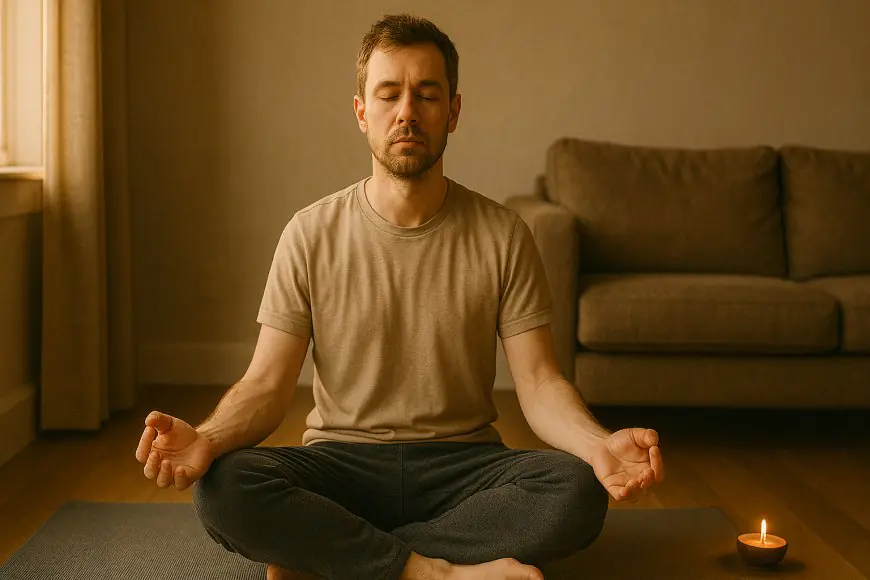


Meditation for Anxiety Control: A Calm Mind and Balanced Emotions
Anxiety is not simply worry — it is the experience of the brain getting stuck in a state of threat even when there is no real danger. Thoughts race, emotions become intense, the breath shortens, and the body remains tense. Anxiety can appear at work, at home, during conversations, or even in moments that should feel peaceful. The more someone tries to push the anxiety away, the more it grows.
Meditation offers a gentle and powerful solution to anxiety. Instead of fighting anxious thoughts, meditation teaches the mind how to settle, rest, and rebalance itself. It builds the ability to respond to life calmly rather than react from fear.
Meditation does not stop thoughts — it changes your relationship with thoughts. When the mind becomes quieter, anxiety loses its power.
Why Meditation Works for Anxiety
Anxiety is activated when the nervous system enters a continuous alert state. Meditation reverses this process through three scientifically proven mechanisms:
Trending Guides Now
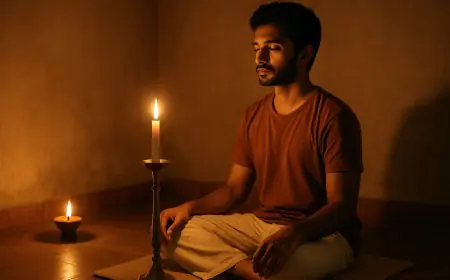
Candle Gazing Meditation (Trataka): A Complete Beginner’s Guide to Method and Benefits
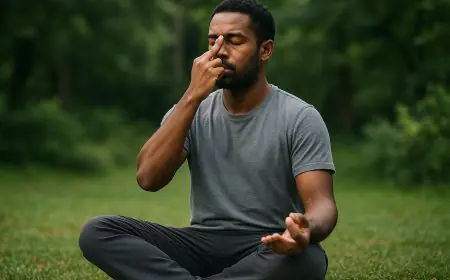
Common Mistakes in Breathing Meditation and How to Fix Them
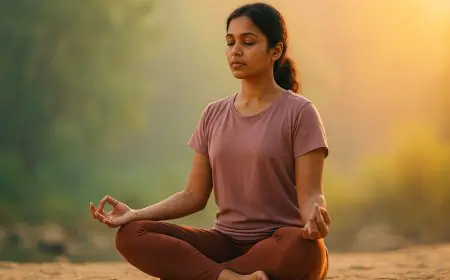
Color Meditation: A Simple Technique to Heal the Mind Through Visual Imagery
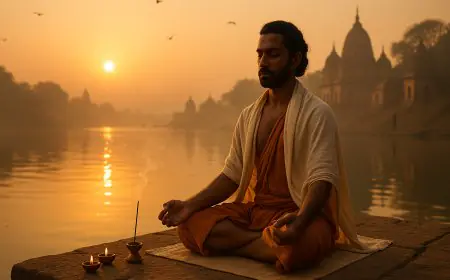
Meditation Techniques: The Complete Guide to Calm Mind and Inner Focus

Ujjain Railway Station to Mahakaleshwar Temple Distance (2026 Guide)

Ujjain Simhastha 2028 Dates Announced: Full Shahi Snan & Event Timeline

Ujjain Simhastha Update: CM Mohan Yadav Reviews 2028 Works

Karkateshwar Mahadev: 22/84 Mahadev of Ujjain
✔ Slower, deeper breathing reduces physical stress
✔ Body relaxation releases tension stored in muscles
✔ Awareness of thoughts stops overthinking from taking control
Instead of trying to suppress anxiety, meditation teaches the brain how to shift into a calm and safe mode on its own.
Signs You May Benefit from Anxiety Control Meditation
You may need this practice if you experience:
-
Constant worrying
-
Difficulty calming your thoughts
-
Irritation or sensitivity to stress

-
Sudden restlessness or panic
-
Tightness in the chest, jaw, or stomach
-
Feeling overwhelmed by small things
-
Trouble sleeping due to an overactive mind

These signs do not mean weakness — they mean your nervous system is overloaded and needs support.
What Happens in the Brain During Meditation
Meditation helps balance three areas of the brain related to anxiety:
| Brain Area | Before Meditation | After Meditation |
|---|---|---|
| Amygdala | Overreactive to stress | Calms down |
| Prefrontal Cortex | Weak decision control | Stronger emotional regulation |
| Default Mode Network | Overthinking active | Reduced mental noise |
This is why people feel clearer, lighter, and safer after meditation.
A Simple Anxiety Control Strategy
Think of anxiety like waves. Fighting the waves makes you drown. Floating allows them to pass. Meditation teaches you how to float with emotions so they lose their intensity naturally.
Emotional Stages During Meditation for Anxiety
You may experience:
-
First minutes: busy mind
-
Middle stage: physical relaxation
-
Later stage: emotional release
-
Final stage: calmness and clarity
Every stage is part of healing — none of them are failure.
Daily Practice Brings the Biggest Change
Even 10 minutes per day can create a major shift within a few weeks. What matters most is consistency, not perfection.
Final Thought
Anxiety does not define you. It is simply a pattern — and patterns can change. Meditation teaches the mind that it is safe to slow down, breathe, and rest. Over time, anxiety loses control, and your natural calmness becomes stronger than your fear.
You deserve a peaceful mind — and meditation gives you a path to reach it.
Frequently Asked Questions