
















Stress Release Meditation Step by Step for Deep Relaxation
Follow this simple stress release meditation step by step to relax your body, calm your mind, let go of emotional tension, and restore inner balance without any external support.
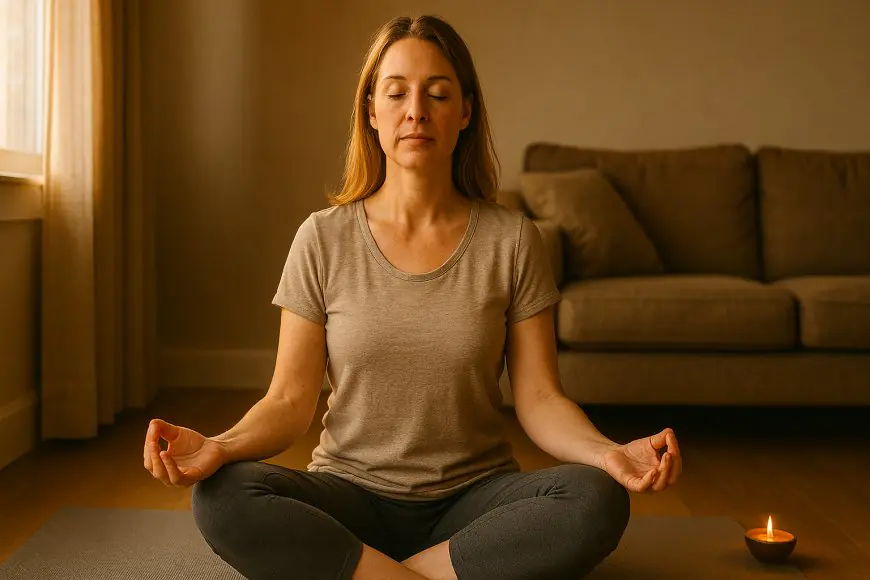


Stress Release Meditation Step by Step
Stress has quietly become part of daily life. Deadlines, responsibilities, family pressures, financial worries, health concerns, and constant digital noise keep the mind in an almost continuous state of alertness. The body stays tense, the breath becomes shallow, and the mind never truly rests. Over time, this ongoing stress drains energy, affects sleep, weakens immunity, and disturbs emotional peace.
Stress release meditation offers a natural and accessible way to reset the nervous system. It is a guided process that helps the body relax, the breath deepen, and the mind release accumulated pressure. Instead of escaping through distraction, this meditation allows you to meet tension with awareness and gently melt it from the inside out.
This step by step guide is designed so that anyone can follow it, even if they have never meditated before. You do not need special equipment, music, or complex techniques. You only need a few quiet minutes and a willingness to slow down.
How Stress Affects the Mind and Body
When you feel stressed, your body activates the fight or flight response. The heart beats faster, muscles tighten, and the brain becomes more alert. This response is useful in real danger, but in modern life it gets triggered by emails, conversations, thoughts, or worries that are not physically dangerous.
Trending Guides Now
Using Mala Beads in Meditation Practice: A Complete Beginner’s Guide
Trataka Meditation in Indian Yogic System: Candle Gazing for Concentration and Inner Clarity
Candle Gazing Meditation (Trataka): A Complete Beginner’s Guide to Method and Benefits
Light Visualization Meditation: A Simple Technique for Calmness and Inner Clarity

Ujjain Railway Station to Mahakaleshwar Temple Distance (2026 Guide)

Ujjain Simhastha 2028 Dates Announced: Full Shahi Snan & Event Timeline

Ujjain Simhastha Update: CM Mohan Yadav Reviews 2028 Works
Ujjain Railway Station to Kal Bhairav Temple: Distance, Auto Fare and Best Route
If this stress response stays activated for too long, it may lead to:
-
Fatigue and lack of motivation
-
Irritability and mood swings
-
Trouble falling asleep or staying asleep
-
Headaches and muscle stiffness
-
Difficulty concentrating

-
Emotional overreaction

Stress release meditation helps reverse this state. It teaches the nervous system how to shift from fight or flight into rest and restore.
Why Meditation Is a Natural Stress Release Tool
Meditation works with three powerful instruments you already carry with you:
-
Breath – slows down the nervous system
-
Body awareness – releases hidden physical tension
-
Attention – breaks the cycle of overthinking
Instead of trying to directly fight stress, meditation creates conditions in which stress can gently decrease on its own. When the breath becomes deeper and the body relaxes, the mind naturally quiets.
Preparing for Stress Release Meditation
A good setup makes the practice more effective and comfortable.
-
Choose a quiet space where you will not be disturbed
-
Silence or keep your phone away from reach
-
Sit on a mat, cushion, or chair with a straight yet relaxed spine
-
Let your hands rest on your thighs or in your lap
-
Wear loose, comfortable clothing
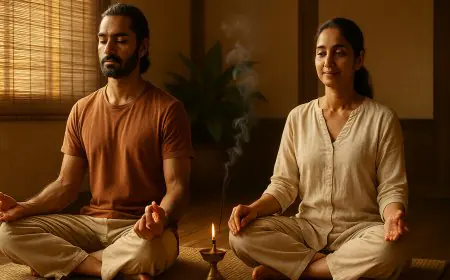
You can keep a small candle, diya, or incense nearby if you like a spiritual atmosphere, but it is not required.
Step by Step Stress Release Meditation Practice
This is a simple, structured sequence. You can use it daily.
Step 1: Arrive in the Present Moment
Sit down and gently close your eyes. Take a slow deep breath in through the nose and exhale out through the mouth. Do this three times. Say silently to yourself, “For the next few minutes, I am giving myself permission to relax.”
This mental permission is important. It signals to the brain that it is safe to switch off alert mode.
Step 2: Feel the Support Underneath You
Bring your awareness to the points where your body touches the floor, cushion, or chair. Feel the weight of your body being held and supported. You do not have to do anything. Gravity is doing the work for you.
Allow your shoulders to drop slightly. Let your face soften. If you notice any tension in the jaw, simply unclench and leave space between your teeth.
Step 3: Breathe Slowly and Naturally
Now allow your breath to settle into a natural rhythm. You do not need to count or control. Just observe the movement of breath as it enters and leaves the body.
Notice:
-
Air entering the nostrils
-
Chest and belly expanding
-
Air leaving the body as the chest and belly relax
Each exhale is a small release of tension. Each inhale is nourishment.
Step 4: Scan the Body for Tension
Gently move your awareness from head to toe, one area at a time, like a slow inner scan.
-
Forehead and eyes
-
Jaw and mouth
-
Neck and shoulders
-
Arms, hands, and fingers
-
Chest and upper back
-
Stomach and lower back
-
Hips and pelvis
-
Thighs, knees, calves
-
Ankles, feet, and toes
In every area, ask silently, “Can I soften here even a little?”
You do not need to fully relax it. Even a small softening is progress.
Step 5: Exhale Stress Out of the Body
Now, as you breathe, imagine that with each exhale, your body lets go of accumulated stress. You may picture it as:
-
Heavy smoke leaving through the nose
-
Dark clouds dissolving into the air
-
Weight melting down into the earth
There is no right or wrong image. Only the feeling of release matters. With each breath out, your body becomes slightly lighter.
Step 6: Observe Thoughts Without Engaging
Stress often survives in the form of mental stories. Thoughts may appear:
-
“I still have so much to do”
-
“What will happen tomorrow?”
-
“Why did that person say that?”
Instead of following the thoughts, simply notice them like cars passing on a road. You are not the car. You are the one watching from the side. If you catch yourself following a thought, gently return to the feeling of breathing and relaxing.
There is no failure in getting distracted. Each return to awareness strengthens your inner calm.
Step 7: Place a Hand on the Heart
Place one hand over your heart and, if comfortable, one hand on your stomach. Feel the warmth of your own touch. Notice your heartbeat. This helps connect with emotional stress stored in the chest.
Silently say to yourself:
-
“I am allowed to rest.”
-
“I am allowed to let go.”
-
“Right now, it is safe to relax.”
These simple sentences signal the nervous system that it does not need to stay in protection mode all the time.
Step 8: Rest in Stillness
For a few minutes, do nothing. Just rest. Let the breath flow naturally. Let the body be. Let the mind quiet down. You do not have to achieve anything. Stress release often happens in this simple space of non-doing.
If any new wave of tension appears, welcome it, breathe with it, and gently release it on the exhale.
Step 9: Return Gently
When you are ready to end, take a deeper breath and slowly move your fingers and toes. Roll your shoulders gently. Open your eyes with softness, not suddenly. Sit for a moment and notice how you feel: even a small shift toward calm is success.
Try not to jump immediately into a stressful activity. Give yourself a minute to transition.
How Often Should You Practice?
Even 10 to 15 minutes once a day can create a noticeable change in stress levels. You can practice:
-
Early morning to start the day calmly
-
After work or school to release pressure
-
Before sleep to improve rest
The key is consistency, not perfection. Some days you will feel very calm. Other days the mind will stay busy. Every session is training the nervous system to relax more easily next time.
Signs Your Stress Release Meditation Is Working
You may notice over time:
-
Reacting less strongly to small triggers
-
Feeling more grounded in the body
-
Mind becoming clearer and more focused
-
Improved sleep quality
-
Reduced tension in shoulders, neck, or stomach
-
A sense of inner space around stressful events
You may still face challenges, but your inner response becomes more stable.
Combining Stress Release Meditation With Daily Life
Meditation is most powerful when it does not stay only on the cushion.
You can use micro practices through the day:
-
Three deep breaths before starting a meeting
-
Relaxing your shoulders when you read a stressful message
-
Pausing for a moment before answering a difficult call
-
A short body scan while waiting in a line
These small pauses prevent stress from building into overload.
Final Thought
Stress release meditation reminds you of something important: you are not a machine. You are a human being who needs rest, softness, and space. Your mind deserves quiet. Your body deserves relaxation. Your heart deserves peace.
By following this step by step practice regularly, you teach your whole system a new habit: instead of carrying stress endlessly, you learn to notice it, breathe with it, and gently let it go. Over time, calmness stops being a rare moment and starts becoming your natural state.
Frequently Asked Questions