


















10-Minute Breathing Meditation for Instant Calm
Discover a simple 10-minute breathing meditation to reduce stress and calm your mind instantly. A beginner-friendly, step-by-step relaxation practice.
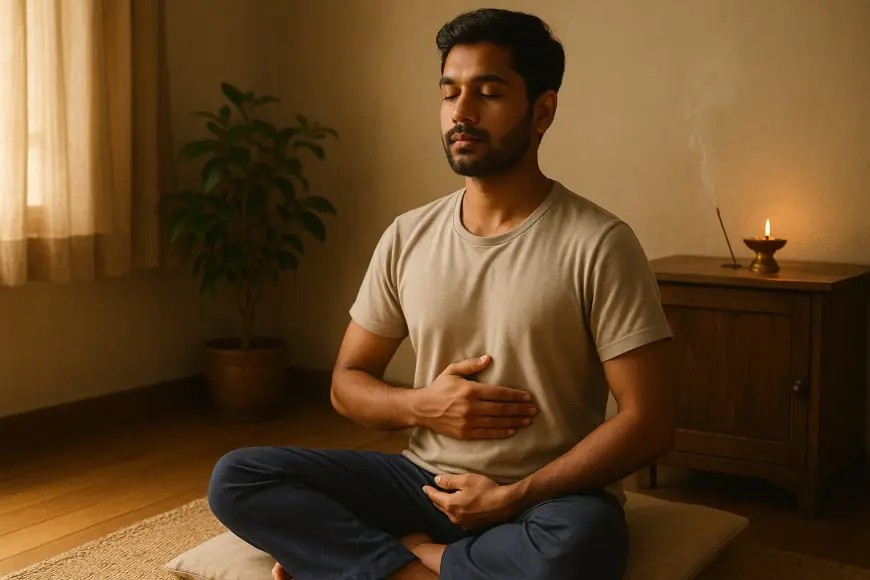


Introduction — Calmness in Just 10 Minutes
Life today moves fast. Our minds run even faster. Stress piles up, distractions grow, and we forget to breathe deeply.
But the truth is simple:
You can regain calmness in just 10 minutes through mindful breathing meditation.
This short practice works because the breath is the fastest bridge between the body and the mind. When your breath slows, your mind automatically slows down. When your mind quiets, the body relaxes.
This 10-minute breathing meditation is perfect for:
-
beginners
Trending Guides Now
Color Meditation: A Simple Technique to Heal the Mind Through Visual Imagery
Transcendental Meditation: Simple Step-by-Step Process for Beginners

Indian Meditation Traditions: Journey from the Vedas to Modern Day Practices
Sitting Positions for Meditation: Padmasana to Chair Pose — The Ultimate Guide

Ujjain Railway Station to Mahakaleshwar Temple Distance (2026 Guide)

Ujjain Simhastha 2028 Dates Announced: Full Shahi Snan & Event Timeline

Ujjain Simhastha Update: CM Mohan Yadav Reviews 2028 Works

Karkateshwar Mahadev: 22/84 Mahadev of Ujjain
-
students
-
working professionals
-
parents
-
meditators needing a quick reset
-
anyone experiencing stress or tension
Let’s explore how a simple breathing technique can create instant inner quiet.

What Is a 10-Minute Breathing Meditation?
A 10-minute breathing meditation is a short, structured practice where you focus entirely on your breath — its rhythm, flow, and natural movement.
It requires no tools, posture perfection, or experience.
Why does it work?
Because breath awareness activates the parasympathetic nervous system, reducing heart rate, calming nerves, and slowing racing thoughts.
Even 5 minutes can help, but 10 minutes is the ideal sweet spot for beginners and busy people.
Benefits of 10-Minute Breathing Meditation
1. Instant Stress Relief
Within 2–3 minutes, breathing slows cortisol and nervous tension.
2. Improves Mental Clarity
Clears mind fog and enhances focus.
3. Reduces Anxiety and Overthinking
Breathing brings you back to the present moment.
4. Relaxes Physical Tension
Shoulders, jaw, and neck soften naturally.
5. Enhances Emotional Balance
Helps stabilize mood and calm emotional spikes.
6. Improves Sleep Quality
Perfect as an evening reset before bed.
7. Increases Awareness and Mindfulness
You become more grounded, centered, and present.
How to Do the 10-Minute Breathing Meditation (Step-by-Step Guide)
Here is the exact structure of the 10-minute practice.
Step 1: Find a Comfortable Posture (1 Minute)
Sit in:
-
Sukhasana
-
Vajrasana
-
On a chair
-
Edge of your bed
Keep back straight, shoulders relaxed, and hands resting naturally.
Close your eyes gently.
Step 2: Natural Breathing (1 Minute)
Breathe normally.
Observe the breath without changing it.
Notice:
-
cool air entering
-
warm air leaving
-
rising and falling of the belly
-
movement of your chest
Step 3: Deep Slow Breathing (2 Minutes)
Inhale for 4 seconds → Exhale for 6 seconds
The longer exhale activates instant relaxation.
Repeat this simple pattern:
Inhale… (4)
Exhale… (6)
Step 4: Breath Awareness (3 Minutes)
Shift your attention to how your breath feels.
Observe:
-
length of each inhale
-
softness of exhale
-
pauses
-
breath depth
-
breath temperature
-
movements in the body
Any time your mind wanders, gently bring it back to the breath.
Step 5: Counting Meditation (2 Minutes)
Count each breath cycle to stay focused:
-
Inhale (1) → Exhale
-
Inhale (2) → Exhale
-
Continue to 10, then restart
This technique stabilizes distracted minds instantly.
Step 6: Slow Return (1 Minute)
Stop counting.
Let your breathing return to natural rhythm.
Feel the calmness spreading inside you.
Gently open your eyes.
You’ve completed your 10-minute meditation.
When Should You Practice This Meditation?
Morning
Starts your day with a calm, clear mind.
During Work Breaks
Instant reset for focus.
Evening
Unwinds mental tension.
Before Sleep
Slows the mind for deep rest.
During Stress
A quick tool to regain balance.
Common Mistakes to Avoid
Breathing too fast
This creates anxiety, not calmness.
Trying to “perfect” the breath
Relaxed breath works better.
Forcing deep inhales
Comfort > force.
Getting frustrated with thoughts
Thoughts are natural — gently return to breathing.
Sitting with stiff posture
Relax the shoulders and face.
Why 10 Minutes Works Better Than Longer Sessions
Beginners often struggle with long meditations.
10 minutes is short enough to maintain focus and long enough to produce real physiological change.
Research shows that 10 minutes of mindful breathing:
-
improves concentration
-
reduces heart rate
-
increases emotional stability
-
enhances task performance
-
reduces stress markers
This makes it ideal for busy lifestyles.
How to Build a Daily 10-Minute Meditation Habit
1. Choose a fixed time
Morning, lunch break, or night — consistency matters.
2. Keep your space simple
A mat, a cushion, or even a chair is enough.
3. Track your sessions
Use a journal or app.
4. Pair it with an existing habit
Example: right after brushing your teeth.
5. Add gentle background music (optional)
Soft ambient sounds can help focus.
Spiritual Insight — Breath as a Gateway to Awareness
Meditation traditions teach that the breath is the bridge between the mind and the inner self.
By observing the breath, awareness turns inward, revealing:
-
calm
-
clarity
-
presence
-
stillness
You begin to experience the silent space behind thoughts — your natural state of peace.
Conclusion — 10 Minutes Can Change Your Day
This breathing meditation is simple yet powerful.
Just 10 minutes can:
-
reset your stress
-
sharpen focus
-
quiet the mind
-
relax your body
Practice it daily, and you will notice:
-
calmer reactions
-
clearer thinking
-
deeper presence
-
emotional stability
Your breath is your anchor — always available, always steady.
Frequently Asked Questions