















Why Triveni Ghat Is Considered Powerful for Spiritual Cleansing
Discover why Triveni Ghat is considered powerful for spiritual cleansing. Explore the sacred confluence, Ganga Aarti, and rituals that purify mind, body, and soul.
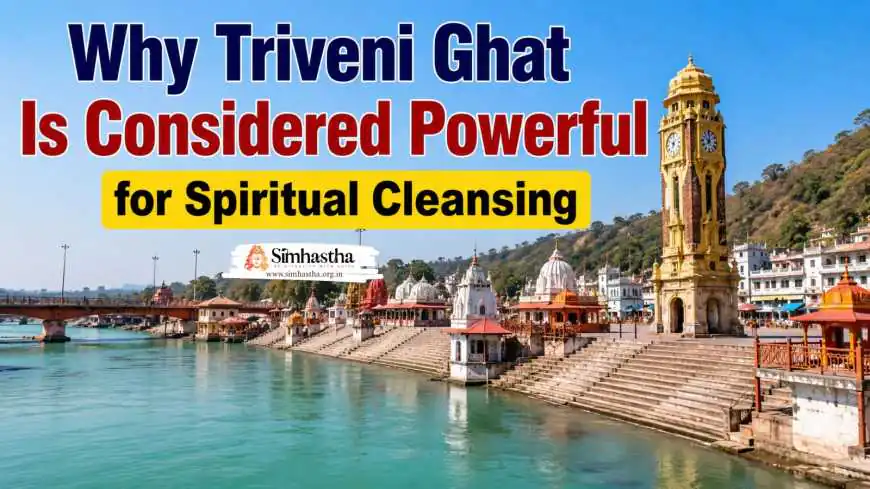

The Ancient Secret of Triveni Ghat: More Than Just a Confluence
Let me take you on a journey to one of the most spiritually charged places on Earth. 🌊 Have you ever felt an inexplicable pull toward water—a sense that dipping your feet into a river could wash away more than just physical dust? That's exactly the magnetic force that draws millions to the Triveni Ghat in Rishikesh and its legendary counterpart in Prayagraj.
When we talk about why Triveni Ghat is considered powerful for spiritual cleansing, we're not just discussing ancient mythology. We're exploring a living, breathing tradition that has survived millennia. This sacred ghat isn't merely a tourist spot—it's a feeling, an experience that transforms you from the inside out. Whether you're a devout pilgrim seeking moksha or a curious traveler looking for peace, the Triveni Ghat holds something extraordinary for everyone.
Let me ask you this: What if I told you that a single dip in these waters could reset your karmic clock? Sounds dramatic, right? But that's exactly what millions of devotees believe, and honestly, after witnessing the magic unfold at sunset, you might just become a believer too. ✨
What Makes Triveni Ghat the Ultimate Spiritual Destination?
The Sacred Confluence of Three Mighty Rivers
Here's the thing that makes this ghat extraordinary—it's the meeting point of three rivers: the Ganga, the Yamuna, and the mythical Saraswati. In Sanskrit, "Tri" means three and "veni" means confluence, so Triveni literally translates to the "confluence of three." While you can see the Ganga's crystal-clear waters and the Yamuna's darker flow merging visibly, the Saraswati remains invisible to the naked eye.
Trending Guides Now

Triveni Ghat Ujjain – Simhastha 2028 Complete Guide

Why Pilgrims Take Holy Baths at Triveni Ghat

Triveni Ghat Rituals Explained for Pilgrims and Visitors

Ujjain Railway Station to Mahakaleshwar Temple Distance (2026 Guide)

Ujjain Simhastha 2028 Dates Announced: Full Shahi Snan & Event Timeline

Ujjain to Mahakaleshwar Temple Distance & Taxi Fare (2026)

Ujjain Railway Station to Mangalnath Temple: Distance, Auto Fare and Best Route

Mahakaleshwar Temple Entry Rules 2026: Dress Code, Mobile & Bag Policy
According to Hindu mythology, the Saraswati River flows underground, joining its sisters from the netherworld. This Triveni Sangam isn't just a geographical location—it's a spiritual powerhouse believed to be the site where Lord Brahma performed the first Yagna (sacred fire ritual) after creating the universe. Imagine standing at the very spot where cosmic creation rituals unfolded. Pretty mind-blowing, right? 🤯
The union of these three rivers creates an energy field that devotees believe amplifies prayer and accelerates spiritual growth. Bathing in this sacred confluence is not just about physical cleanliness—it's an act of surrender, humility, and deep faith that connects you to the divine source of all creation.
The Ganga Aarti Experience: A Visual Feast for the Soul
If you've never witnessed the Ganga Aarti at Triveni Ghat, you haven't truly experienced spirituality in motion. Trust me on this one. The evening Maha Aarti begins around 6 PM, and the atmosphere transforms into something straight out of a divine movie scene.
Picture this: Hundreds of diyas (oil lamps) floating on the river like stars descending from heaven, Vedic chants echoing through the Himalayan breeze, priests performing synchronized rituals with fire, and the hauntingly beautiful sound of conch shells and bells. The sight of flower-filled leaf boats carrying tiny lamps drifting downstream creates an unreal atmosphere that will leave you speechless.
Morning Aarti Timings: 5:45 AM to 6:30 AM
Evening Aarti Timings: 6:00 PM to 7:00 PM
This isn't just a ritual—it's a purification of the soul that happens in real-time. Whether you're participating or just observing, the energy is palpable, and the sense of peace that washes over you is genuinely transformative. The collective chanting, the flickering flames, and the cool river breeze combine to create a moment you'll carry in your heart forever.

Why Do People Believe Triveni Ghat Cleanses the Soul?
The Astrological Power of Sacred Bathing
Now, let's dive into the "why" behind this powerful cleansing belief. According to Vedic astrology, bathing at the Triveni Sangam directly impacts your karmic and astrological chart. Renowned astrologer Shri ShivaAmit Khanna explains that this sacred water has healing powers that target specific astrological houses.
Here's the breakdown:
The 6th House (Health & Challenges): Afflictions here cause physical ailments and financial troubles. A holy dip at Triveni Ghat cleanses these issues, removing obstacles and promoting physical healing.
The 8th House (Transformation & Subconscious): This house governs deep psychological patterns and fears. The sacred waters purify this house, releasing trauma and promoting emotional balance and inner peace.
The 12th House (Spiritual Freedom): Afflictions here cause feelings of disconnection. Bathing purifies the 12th house, promoting spiritual awakening and connection to the divine.
The alignment of planets during specific times—especially during Kumbh Mela—multiplies these effects. Astrologers believe that the cosmic energies during these periods make the water even more potent for cleansing deep-seated karmic patterns.
Karmic Cleansing and Moksha
Here's what makes the spiritual cleansing at Triveni Ghat truly powerful. Hindu religious texts state that taking a dip in the Sangam washes away sins and grants liberation from the cycle of rebirth. When you bathe in these sacred waters, you're not just cleaning your skin—you're releasing negative karma accumulated over past lives. This karmic cleansing triggers a shift within your consciousness, enabling deeper insight into life's true purpose.
During the Maha Kumbh Mela, which occurs every 12 years in Prayagraj, this power multiplies exponentially. Over 43.57 crore devotees took a holy dip during the 2025 Maha Kumbh alone—the largest gathering of people ever recorded in human history! Now that's what I call collective spiritual energy!
The belief is that at the Triveni Sangam, the boundaries between the material and spiritual worlds thin out. This makes it easier to connect with higher consciousness, receive divine blessings, and accelerate your journey toward moksha.
The Rituals: How to Experience Spiritual Cleansing at Triveni Ghat
The Morning Rituals: Starting Your Day with Purity
To truly experience the purification rituals at Triveni Ghat, you need to wake up early. I'm talking pre-sunrise early. The morning hours, especially during Brahma Muhurat (approximately 4-6 AM), are considered the most auspicious for sacred bathing.
Here's what you should do:
-
Take a Holy Dip: As the sun rises, take a dip in the freezing waters of the Ganga. Yes, it's cold, but that's part of the purification process. The shock awakens your senses and prepares you for spiritual renewal.
-
Offer Milk and Feed the Fish: Devotees typically offer milk to the river at sunrise and feed the fish in the ghat. This act of charity is believed to amplify the cleansing benefits.
-
Perform Pind Daan or Tarpan: Many visitors perform rituals for their ancestors. Offering Pind Daan and Tarpan at Triveni Ghat is believed to bring peace to departed souls and resolve Pitru Dosh.
-
Chant Mantras: Reciting the Gayatri Mantra or Maha Mrityunjaya Mantra while bathing intensifies the spiritual effect and aligns your vibrations with the divine.
-
Meditate by the Water: After bathing, find a quiet spot, sit in meditation, and let the serenity of the Ganga flow into your being. Even 10 minutes of mindful breathing can transform your entire day.
The Evening Aarti: A Symphony of Devotion
The evening Ganga Aarti at Triveni Ghat is the main attraction. The Rishikesh Ganga Aarti is less crowded than Haridwar's but equally magical. Here's how to make the most of it:
-
Arrive early (at least 30 minutes before) to grab a good spot on the steps.
-
Purchase small diyas and flower offerings from nearby vendors.
-
Participate in the chanting—even if you don't know the mantras, just humming along creates a connection.
-
Release your diya into the river as a symbol of letting go of past baggage.
The priests perform the Aarti with synchronized movements to the beat of drums and temple bells. As the flames of belief enlighten the whole environment, your mind and body get revitalized by the bhajans and prayers.
Don't forget to sit quietly after the Aarti ends. The post-Aarti silence is when the real magic happens—the energy settles, and you can feel the river's whispers in your soul. It's the perfect time for introspection and gratitude.
Beyond Cleansing: The Complete Spiritual Experience
Meditation and Inner Peace
Triveni Ghat isn't just about ritualistic bathing—it's a haven for meditation and inner peace. The serene atmosphere along the banks of the Ganges, combined with the Himalayan backdrop, creates the perfect setting for reflection.
Visitors often find a quiet corner by the river, dip their feet in, and let time slow down. The ghat offers a peaceful ambiance for meditation amidst temples and the sound of flowing water. Even if you're not religiously inclined, you'll appreciate the tranquility and serenity that the ghat provides.
Pro tip: Visit on weekdays or quieter times to avoid crowds for a more tranquil spiritual experience.
The simple act of sitting by the Ganga, watching the water flow endlessly, teaches you the art of letting go. Each wave carries away a worry, a fear, a regret. Over time, you'll find your mind becoming clearer and your heart lighter.
Temples and Sacred Spaces Around the Ghat
The Triveni Ghat is surrounded by temples that add to its spiritual aura:
-
Gita Mandir: A beautiful temple dedicated to the teachings of the Bhagavad Gita.
-
Triveni Mata Mandir: Dedicated to the mother goddess of the confluence.
-
Lakshminarayan Temple: A serene spot for prayer and devotion.
Walking through Aastha Path, the walking trail from Triveni Ghat to Janki Setu, allows you to explore natural sights while maintaining your spiritual connection.
Each of these temples has its own energy and history. Visiting them before or after your bath completes the spiritual circuit and ensures you receive blessings from multiple divine forms.
Scientific Perspectives: Is There More to the Cleansing?
The Healing Waters of the Ganges
While the spiritual significance of Triveni Ghat is paramount, there's an emerging scientific perspective too. The Ganges River water is known for its bacteriophages—viruses that kill bacteria—making it self-purifying. But beyond science, the psychological effect of participating in these rituals cannot be overstated.
When you're surrounded by chanting, floating diyas, and fellow devotees, something shifts in your brain chemistry. The sense of community, the rhythmic chanting, and the act of letting go all contribute to emotional healing. This aligns perfectly with the astrological belief that bathing in the sacred waters clears the subconscious mind.
Researchers have also found that the sound frequencies generated during the Aarti—the bells, conch, and chanting—have a calming effect on the nervous system. So yes, science agrees with the sages on this one.
The Psychological Impact of Ritual Bathing
Modern psychology confirms what ancient sages knew all along—rituals create a sense of order, meaning, and healing. When you perform these purification rituals, you're not just cleaning your body; you're signaling to your mind that a transformation is occurring.
According to spiritual experts, the sacred waters of Triveni Sangam carry divine energy that activates the 12th house, helping an individual get on the path to moksha. One bath in these holy waters brings immediate revitalization, direct contact with the divine, and encourages spiritual awakening.
Think about it: When you set an intention, perform a ritual, and participate in a community, you create a powerful psychological anchor. Every time you recall that experience, you access those same feelings of peace and renewal.
The Kumbh Mela Connection: Amplifying the Power
Why the Maha Kumbh Makes Triveni Ghat Extra Special
The Kumbh Mela is the world's largest peaceful gathering of pilgrims, and it all centers around the Triveni Sangam. According to Hindu scriptures, drops of amrita (the elixir of immortality) fell from the pitcher carried by Garuda, Lord Vishnu's divine bird, at this very spot. That's why the Kumbh Mela is celebrated here every 12 years.
During the Maha Kumbh, the spiritual energy at Triveni Ghat multiplies exponentially. The planets align in a way that makes the sacred bathing even more powerful for:
-
Planetary Dosha Remediation: The sacred water is attributed with powers to remedy adverse influences on astrological houses.
-
Pitru Dosh Shanti: Performing puja and tarpan during this time brings immense peace to ancestors.
-
Moksha: The ultimate goal—liberation from the cycle of birth and death.
Witnessing the Kumbh Mela is a once-in-a-lifetime experience. The sheer scale of devotion—millions of people bathing together in perfect harmony—is proof of the undying faith in Triveni Ghat's cleansing power.
Magh Mela and Mauni Amavasya
Even without the Kumbh, Triveni Ghat hosts the Magh Mela annually. The most auspicious bathing day of this fair is Mauni Amavasya, where a dip at the Triveni Sangam is believed to wash away accumulated karma and grant moksha.
Mauni Amavasya is particularly significant because it's a day of silence and introspection. Pilgrims observe a vow of silence (maun) and immerse themselves in the spiritual vibrations of the confluence. If you can time your visit to coincide with this sacred day, your experience will be truly unforgettable.
Practical Tips for Your Spiritual Journey
Best Time to Visit
While Triveni Ghat is accessible year-round, the most auspicious times are:
-
October to March (pleasant weather)
-
Kumbh Mela years (12-year cycle)
-
Magh Mela (January-February)
-
Mauni Amavasya (sacred bathing day)
-
Ekadashi days (particularly Jaya Ekadashi for Pitru rituals)
Avoid the peak summer months (April-June) if you're not accustomed to heat. The monsoon season (July-September) can be risky due to rising water levels.
How to Reach
Triveni Ghat, Rishikesh:
-
From Haridwar: 10 km (taxi/auto available)
-
From Dehradun: 35 km
-
From Delhi: 240 km
-
Nearest Airport: Jolly Grant Airport, Dehradun (20 km)
Triveni Sangam, Prayagraj:
-
Well-connected by rail, road, and air
-
Major pilgrimage destination during Kumbh
Both locations are easily accessible and well-connected by public transport. Plan your journey in advance, especially during festival seasons when the crowds are massive.
What to Carry
-
Modest clothing (cover shoulders and knees)
-
A small towel and change of clothes
-
Diyas and flowers (available locally)
-
An open heart and mind
Most essentials are available near the ghat, so don't stress too much about packing. The key is to come with the right mindset—ready to receive, release, and renew.
Personal Stories: What Visitors Say
I've read countless reviews, and the consistent theme is transformation. One visitor shared: "Triveni Ghat is pure peace amidst the spiritual buzz of Rishikesh. The most beautiful part of the experience is the evening Ganga Aarti. It's less crowded than Haridwar but equally magical—priests chanting, lamps glowing, and the river shining with hundreds of floating diyas. You feel a deep sense of connection and stillness, even if just for a few moments."
Another traveler remarked: "Absolute breathtaking place to visit. The sense of peace, calm, and equanimity overwhelms the soul. There's something in the soil here, something in the water, something in the air that is inexplicable."
Even non-religious visitors appreciate the tranquility. "Whether you're seeking spiritual connection, a moment of calm, or simply want to witness a beautiful tradition, Triveni Ghat is a must-visit in Rishikesh. Don't miss dipping your feet in the river and sitting quietly by the ghat—it's grounding and unforgettable."
One devotee wrote about her experience during Kumbh Mela: "I came seeking relief from a difficult period in my life. The moment I stepped into the waters, I felt a weight lift off my shoulders. I can't explain it logically, but I left feeling reborn."
The Bottom Line: Why Triveni Ghat's Power is Real
At the end of the day, why is Triveni Ghat considered powerful for spiritual cleansing? Because it combines ancient mythology, astrological significance, and tangible psychological benefits into one extraordinary experience. Whether you believe in karma cleansing or not, the act of immersing yourself in a tradition that has stood for millennia creates a profound shift.
The ghat offers a chance to:
-
Experience the Ganga Aarti: The most visually and spiritually stunning ritual
-
Take a Holy Dip: Purifying mind, body, and soul
-
Perform Ancestral Rituals: Bringing peace to departed souls
-
Find Inner Peace: Through meditation and reflection
So, pack your bags, keep an open mind, and head to Triveni Ghat. Whether you're seeking moksha, inner peace, or just an unforgettable experience, you'll leave lighter than you arrived.
Remember, the true power of Triveni Ghat isn't in the water alone—it's in your intention, your faith, and your willingness to let go. When you combine all three, miracles happen.
Frequently Asked Questions