

















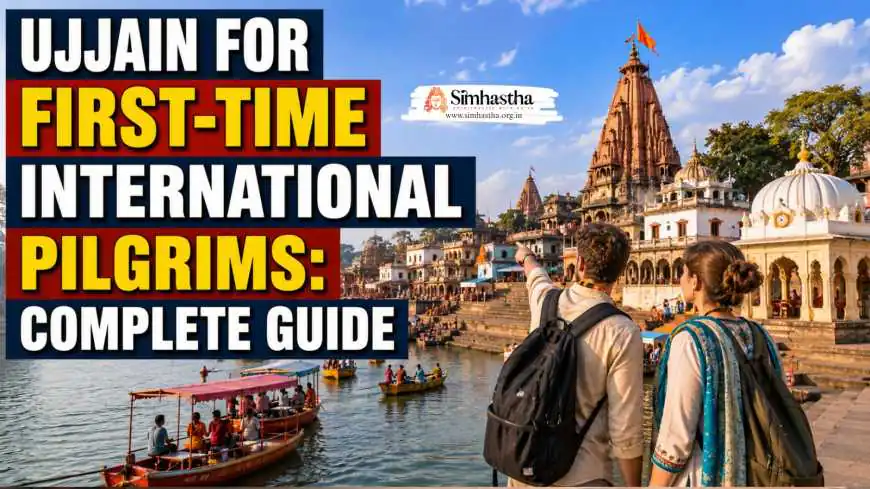
Ujjain for First-Time International Pilgrims: Complete Guide
Complete guide to Ujjain for first-time international pilgrims—visa tips, Bhasma Aarti booking, temple etiquette, safety advice, and Simhastha 2028 insights.

An Invitation from Lord Mahakal Himself 🕉️🌏
Let me tell you something that might give you goosebumps. 🙏
Madhya Pradesh Chief Minister Mohan Yadav has declared that pilgrims visiting Ujjain for Simhastha 2028 will be treated not just as guests, but as "invitees of Lord Mahakal" . Millions of devotees from across the world are expected to visit, and the government is making arrangements so that every devotee can participate in sacred rituals without any inconvenience. 🕊️
If you're reading this as an international pilgrim planning your first visit to Ujjain—welcome. You're about to embark on one of the most spiritually profound journeys of your life. 🌟
But let me be honest with you. Visiting Ujjain as an international pilgrim comes with unique challenges. From visa requirements to temple etiquette, from booking the Bhasma Aarti to navigating local transport—there's a lot to figure out. 😅
Trending Guides Now
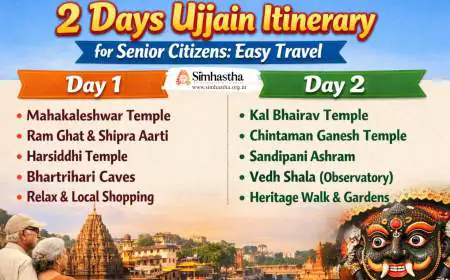
2 Days Ujjain Itinerary for Senior Citizens Easy Travel

Ujjain Simhastha 5 Day Itinerary for Couples

Safety Guidelines Every Ujjain Simhastha Pilgrim Must Follow
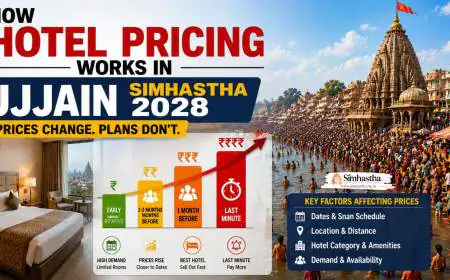
How Hotel Pricing Works in Ujjain Simhastha 2028

Ujjain Railway Station to Mahakaleshwar Temple: Distance, Fare & Route

Ujjain Simhastha 2028 Dates Announced: Full Shahi Snan & Event Timeline
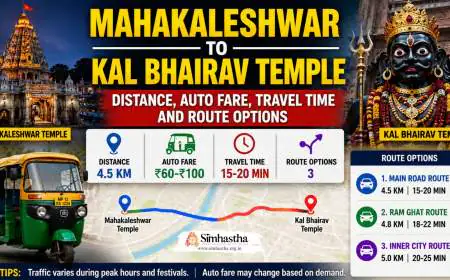
Mahakaleshwar to Kal Bhairav Temple: Distance, Auto Fare, Travel Time and Route Options
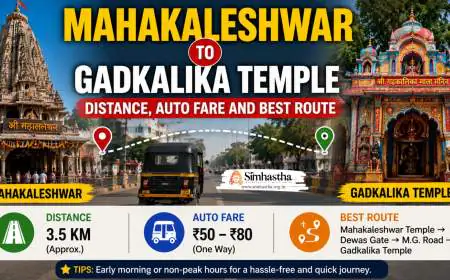
Mahakaleshwar to Gadkalika Temple: Distance, Auto Fare and Best Route
This guide is designed specifically for first-time international pilgrims. We'll cover everything: visas, best time to visit, temple rituals, cultural etiquette, safety, food, accommodation, and what to expect during the mega event of Simhastha 2028. Let's go! 🚀
Before You Go: Visa and Entry Requirements 📋🛂
The Indian e-Visa
For most international travelers, India offers the e-Visa—a convenient online application process .
Key Requirements:
-
🛂 Passport Validity: At least 6 months from the date of arrival
-
📄 Blank Pages: At least 2-3 blank pages in your passport
-
💻 Online Application: Apply through the official Indian government website
-
🏷️ Visa Category: Tourist e-Visa is the most common for pilgrims
-
⏰ Application Timing: Apply at least 4-6 weeks before travel
-
💰 Fees: Varies by country; check current rates online
Pro Tip: Keep both digital and physical copies of your visa and passport. You'll need them for hotel check-ins and temple entry .
No Special Permits Needed
Ujjain doesn't require any special permits beyond the standard Indian visa. It's a regular pilgrimage city, open to all visitors .
What to Carry Daily
-
🪪 Passport: Required for hotel check-in and some temple queues
-
📱 Hotel Contact: Keep your hotel's address and phone number handy
-
📋 Emergency Contacts: Embassy and local emergency numbers
Best Time to Visit: When to Plan Your Journey 🌤️📅
Seasonal Breakdown
Ujjain's climate varies dramatically throughout the year .

| Season | Months | Temperature | What to Expect |
|---|---|---|---|
| Winter | Oct–Mar | 10°C–30°C | BEST TIME—pleasant, ideal for temple visits |
| Monsoon | Jul–Sep | 25°C–35°C | Lush greenery, rain disruptions possible |
| Summer | Apr–Jun | 35°C–45°C | Very hot—avoid midday outdoor activities |
The Verdict: Plan your visit between October and March for the most comfortable experience .
Festival Timing Considerations
-
🎊 Simhastha 2028: March–May 2028 (massive crowds, book months ahead)
-
🕉️ Mahashivratri: Feb–Mar (huge crowds, special rituals)
-
🌺 Navratri: Sep–Oct (vibrant celebrations at Harsiddhi Temple)
If you prefer fewer crowds: Visit during weekdays in winter months, avoiding major festivals .
Getting to Ujjain: Your Travel Route 🗺️✈️
By Air: Indore Airport
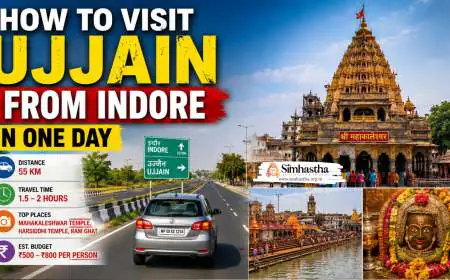
The nearest airport is Devi Ahilya Bai Holkar Airport (IDR) in Indore—about 55-60 kilometers from Ujjain .
From the Airport to Ujjain:
-
🚗 Taxi: 1.5–2 hours (~₹1,500–2,000)
-
🚌 Bus: State and private buses available
-
🚐 Pre-booked Transfer: Ask your hotel to arrange pickup
By Train: Ujjain Junction
Ujjain Junction (UJN) is a major railway hub well-connected to Delhi, Mumbai, Bhopal, and Indore .

Tips for International Travelers:
-
📱 IRCTC App: Book train tickets in advance
-
🛏️ AC Coaches: Recommended for comfort on long journeys
-
⏰ Book Early: Trains fill up quickly during festival seasons
By Road
Ujjain has good bus services from Indore, Bhopal, and other regional centers. Private taxis and self-drive options are also available .
Where to Stay: Accommodation Options 🏨💤
Types of Accommodation
| Category | Examples | Price Range | Best For |
|---|---|---|---|
| Luxury | Anjushree Hotel (4-star) | ₹3,000–8,000/night | Comfort seekers |
| Mid-Range | Hotel Mittal Paradise | ₹1,500–3,000/night | Families, couples |
| Budget | Hotel Shree Vijay Palace | ₹500–1,500/night | Solo travelers, backpackers |
| Government | Shipra Residency (MPTDC) | ₹1,000–2,500/night | River views, heritage charm |
Local Insight: Shipra Residency, a government-run property right on the ghats, offers river views and old-world charm—perfect for soaking in Ujjain's spiritual side .
Booking Advice: During festivals and Simhastha 2028, book your accommodation months in advance .
Temple Etiquette: How to Respect Local Customs 🙏👗
Dress Code
Ujjain is a deeply religious city. When visiting temples and ghats, dress conservatively :
-
🙅♂️ Men: Cover shoulders and knees
-
🙅♀️ Women: Cover shoulders and knees
-
👣 Shoes: Remove before entering temples
-
👘 Bhasma Aarti Dress Code: Men must wear a dhoti, women must wear a saree or salwar kameez
Temple Rules
-
🔇 Quiet Respect: Maintain silence inside temple sanctums
-
📸 Photography: Often restricted in sanctum areas; check signs before clicking
-
🚫 Leather Items: Not permitted inside temples during Bhasma Aarti
-
🚫 Electronic Devices: Mobile phones, cameras, and electronic gadgets are prohibited during Bhasma Aarti
Bhasma Aarti: The Most Sacred Ritual 🌅🔥
The Bhasma Aarti at Mahakaleshwar Temple is a once-in-a-lifetime experience. Here's what you need to know:
-
⏰ Timing: 4:00 AM to 6:00 AM
-
📋 Registration: Compulsory registration in advance
-
💻 Online Booking: Available through the temple's official website
-
🆔 Identification: Foreign nationals must carry their passport for registration
-
⏳ Entry: Arrive at least 1 hour before the Aarti begins (temple gates open at 2:30 AM)
-
🧥 Dress Code: Traditional attire only
-
🚫 Prohibited: No bags, food, fluids, or electronic devices
Pro Tip: Space is extremely limited. Book your Bhasma Aarti slot as early as possible—often 60 days in advance.
What to See: The Must-Visit Temples and Ghats 🏛️🌊
Mahakaleshwar Temple 🛕
One of the 12 Jyotirlingas—the most sacred Shiva shrines—this temple is the heart of Ujjain. The Shiva lingam here is south-facing, which is rare .
-
⏰ Timings: 4:00 AM – 11:00 PM daily
-
💰 Entry: Free (special darshan ₹250–₹500 optional)
-
🌅 Bhasma Aarti: 4:00 AM (requires advance booking)
-
🎊 Best Time: Early morning for fewer crowds
Ram Ghat 🌅
The spiritual heart of Ujjain, Ram Ghat is where the Shipra Aarti happens every evening. It's the place to sit, reflect, and absorb the river's energy .
-
⏰ Best Time: Sunset for the evening Aarti
-
💰 Entry: Free
-
🌿 Atmosphere: Perfect for quiet contemplation
Kal Bhairav Temple ⛩️
This temple worships the fierce form of Lord Shiva. The fascinating aspect? Devotees offer liquor to the deity as part of rituals—a custom unique to Ujjain .
-
📍 Location: Bhairavgarh
-
⏰ Best Time: Morning
-
💰 Entry: Free
-
🥃 Unique Ritual: Liquor offerings to the deity
Harsiddhi Temple 🌺
An important Shakti Peetha—where Goddess Sati's elbow is believed to have fallen. The temple is distinguished by its tall, crimson towers and rows of oil lamps. It's particularly striking during Navratri when the entire place is lit up .
-
📍 Location: Near Mahakaleshwar Temple
-
💰 Entry: Free
-
🪔 Highlight: The deep stambhas (pillars of lamps)
Vedh Shala (Jantar Mantar) 🔭
Built by Maharaja Jai Singh II, this 18th-century observatory is a fascinating stop for astronomy buffs. Instruments here are still used to calculate celestial events .
-
💰 Entry: ₹40–₹250 (as per reports)
-
⏰ Best Time: Morning
-
🏛️ Highlight: Ancient astronomical instruments
Getting Around: Local Transport 🛺🚶♂️
Auto-Rickshaws
Auto-rickshaws are the most common mode of transport in Ujjain. They're cheap, readily available, and can navigate narrow streets .
-
Agree on Fare: Always agree on the fare before starting your journey
-
Meter: Some autos have meters—insist on using them
-
Distances: Short trips typically cost ₹30–100
Walking
Central Ujjain (the Mahakal area and ghats) is compact and walkable. Walking is practical, but watch for traffic and crowds .
App-Based Taxis
Services like Ola operate in Ujjain. This is a reliable option for longer distances or when you need to book in advance.
Cycle Rickshaws
The best way to soak in Ujjain's old-world charm is by using a cycle rickshaw. Navigate through narrow alleys, past heritage havelis, and tiny shops selling rudraksha beads and incense .
Food and Dining: What to Eat 🍽️🍛
Must-Try Local Dishes
Ujjain is a vegetarian's paradise. Here are the foods you absolutely must try :
-
🍲 Poha-Jalebi: A classic Madhya Pradesh breakfast—light, spicy poha served with crunchy, sweet jalebi
-
🌽 Bhutte ka Kees: Grated corn cooked with milk and spices, a local speciality
-
🍚 Sabudana Khichdi: Popular during fasts, light, savory, and filling
-
🥞 Malpua: Deep-fried sweet pancakes soaked in sugar syrup
Where to Eat
| Name | What to Try | Location |
|---|---|---|
| Tower Chowk Street Stalls | Poha, samosas, tea | Tower Chowk, Freeganj |
| Swaruchi Restaurant | Vegetarian thalis | Ahilya Bai Marg, near Mahakaleshwar |
| Apna Sweets | Kachoris, namkeen, rabri | Multiple branches |
| Gopal Mandir Area | Food walks, kachoris, jalebis | Near Gopal Mandir |
Food Costs
-
🍛 Street Food: ₹50–150 per person per meal
-
🍽️ Restaurants: ₹300–800 per person for a sit-down meal
Safety Tips: Stay Safe and Secure 🛡️
General Safety
Ujjain is generally safe for tourists, but common-sense precautions apply :
-
👜 Watch Belongings: At crowded ghats and markets
-
🚫 Avoid Touts: Beware of aggressive touts near temples; agree on prices upfront
-
💧 Drink Bottled Water: Avoid raw street salads unless from a trusted vendor
-
🧳 Solo Women Travelers: Exercise usual precautions—avoid poorly lit lanes at night, prefer daytime temple visits, use trusted transport
Emergency Numbers 🚨
-
🚓 Police: 100 (India-wide)
-
🚑 Ambulance: 102 (India-wide)
-
🏛️ Embassy: Keep your country's embassy contact details handy
-
🏨 Hotel: Always have your hotel's contact number
ATM and Money 💳
-
💵 Currency: Indian Rupee (INR)
-
🏧 ATMs: Available in the city
-
💰 Cash: Carry cash for small purchases, temple offerings, and local transport
-
💳 Cards: Accepted at many hotels, larger restaurants, and shops—but small stalls may be cash-only
Simhastha 2028: What International Pilgrims Need to Know 🕉️🌏
The Mega Event
Simhastha 2028 is one of the largest religious gatherings in the world. Chief Minister Mohan Yadav has stated that millions of devotees from across the world will visit Ujjain .
Key Facts:
-
📅 When: March to May 2028
-
📍 Where: Ujjain, on the banks of the Shipra River
-
👥 Expected: Over 15–40 crore devotees
-
🌍 Global: Pilgrims from across the world
Preparations
The government has made a provision of about ₹2,000 crore for Simhastha 2028 . Preparations include:
-
🏗️ Infrastructure Development: Roads, bridges, and facilities
-
🏥 Public Facilities: Hospitals, sanitation, drinking water
-
📱 Technology: AI, drone surveillance, and crowd management
-
🏨 Accommodation: Expanded hotels, dharamshalas, and tent cities
What This Means for You
-
📋 Plan Ahead: Book flights, accommodation, and Bhasma Aarti tickets months in advance
-
🌍 Global Visitors Welcome: Arrangements are being made to ensure every devotee can participate without inconvenience
-
🕉️ You Are an Invitee: Remember—you're not just a guest in Ujjain, but an invitee of Lord Mahakal himself
Cultural Tips: Blend In Like a Local 🌿🙏
Dos and Don'ts
DO:
-
🙏 Greet with "Jai Mahakal": The local greeting at Mahakaleshwar Temple
-
👣 Remove Shoes: Before entering any temple
-
👗 Dress Modestly: Cover shoulders and knees
-
💧 Offer Water: At the Shipra ghats
-
🪔 Participate: Attend the evening Aarti at Ram Ghat
DON'T:
-
📸 Take Photos Inside Sanctum: Photography is usually restricted
-
🍖 Eat Non-Vegetarian Food Near Temples: Respect local customs
-
🗣️ Speak Loudly: Inside temple premises
-
💺 Sit on Ghat Steps Used for Worship: These are sacred spaces
Language
-
🗣️ Hindi: Widely spoken
-
📖 English: Understood in hotels and tourist services
-
🔤 Malwi: The local dialect
A Few Helpful Hindi Phrases:
-
"Jai Mahakal" – Victory to Mahakal (greeting)
-
"Namaste" – Hello/Goodbye
-
"Dhanyavaad" – Thank you
-
"Kitna hai?" – How much is it?
Sample Itinerary: 3 Days in Ujjain 📅🗺️
Day 1: Arrival and Mahakal Darshan
-
🌅 4:00 AM: Bhasma Aarti at Mahakaleshwar Temple (pre-booked)
-
🍽️ 7:00 AM: Breakfast at Tower Chowk (poha-jalebi)
-
🏛️ 9:00 AM: Explore Mahakaleshwar Temple complex
-
🛕 11:00 AM: Visit Harsiddhi Temple
-
🍽️ 1:00 PM: Lunch at Swaruchi Restaurant
-
🌊 5:00 PM: Ram Ghat for evening Aarti
-
🍽️ 7:30 PM: Dinner at Gopal Mandir food stalls
Day 2: The Unique Temples
-
🌅 6:00 AM: Morning walk along Shipra River ghats
-
⛩️ 8:00 AM: Kal Bhairav Temple
-
🐘 10:00 AM: Chintaman Ganesh Temple
-
🔭 12:00 PM: Vedh Shala (Jantar Mantar)
-
🍽️ 1:30 PM: Lunch
-
🏛️ 3:00 PM: Sandipani Ashram (where Krishna studied)
-
🛍️ 5:00 PM: Shopping at Gopal Mandir Market
-
🍽️ 7:30 PM: Dinner at Meghdoot Punjabi Dhaba
Day 3: The Spiritual Deep Dive
-
🌌 6:00 AM: Mangalnath Temple (birthplace of Mars)
-
🌳 8:00 AM: Bhartrihari Caves
-
🌊 10:00 AM: Triveni Ghat
-
🏛️ 11:30 AM: Explore the city's hidden temples
-
🍽️ 1:00 PM: Lunch
-
🛍️ 3:00 PM: Bada Sarafa Bazaar for local shopping
-
🌅 5:30 PM: Shipra River sunset boat ride
-
🌙 7:30 PM: Farewell dinner
The Bottom Line: Your Spiritual Journey Awaits 🎯
Ujjain is not just a city—it's an experience. For first-time international pilgrims, the journey may seem daunting, but the rewards are immeasurable.
Key Takeaways:
-
🛂 Plan Your Visa: e-Visa is the easiest option
-
📅 Choose the Right Time: October to March for best weather
-
🏨 Book Early: Especially for Simhastha 2028 and festivals
-
🙏 Respect Local Customs: Dress modestly, remove shoes, follow temple rules
-
📋 Book Bhasma Aarti: Space is limited—book well in advance
-
🍽️ Eat Local: Poha, jalebis, and vegetarian thalis are a must
-
🛺 Use Auto-Rickshaws: They're cheap, convenient, and part of the experience
-
🌍 Simhastha 2028: Millions of devotees expected—prepare to be part of history
Remember: As Chief Minister Mohan Yadav said, you are not just a guest in Ujjain—you are an invitee of Lord Mahakal. The journey is sacred, and the experience will stay with you forever. 🕉️✨
Frequently Asked Questions