














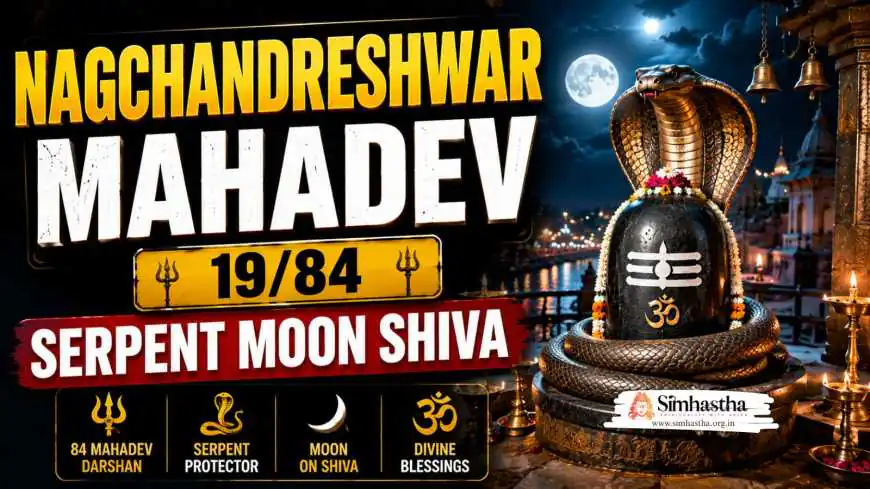
Nagchandreshwar Mahadev: 19/84 Serpent Moon Shiva
Worship Nagchandreshwar Mahadev, the 19th of 84 Ujjain temples. Lord Shiva of serpents & moon – balancing kundalini energy with mental calm.

Two Forces Battle Inside Everyone – Here Is the Lord Who Tames Both
Have you ever felt a sudden surge of energy so intense that it scared you? Maybe it was anger that exploded before you could stop it. Maybe it was sexual desire that felt like a wild animal clawing from inside. Maybe it was a creative rush that left you exhausted and shaky. Or maybe it was the opposite – a mind that would not stop chattering, mood swings that pulled you from joy to despair in minutes, a restlessness that made sleep impossible. Most people live their entire lives at war with these two forces. They try to suppress the fire, or they try to ignite the water. Neither works.
Deep in the sacred Mahakal forest of Ujjain, at the 19th shrine of the legendary 84 Mahadev Yatra, sits a Mahadev who solved this war thousands of years ago. His name is Nagchandreshwar – the Lord of the Serpent and the Moon. He wears a living cobra around his neck and a cool crescent moon on his forehead. He does not choose one over the other. He integrates both. And he invites you to do the same.
If you have ever felt unbalanced – too much fire without enough water, or too much water without enough fire – this temple is your workshop. Nagchandreshwar Mahadev does not ask you to become a yogi who abandons passion or a monk who numbs emotion. He asks you to become a master – someone who can let the serpent rise and the moon shine, both at the same time, without one destroying the other. Let me take you inside this extraordinary shrine.
The 19th Mahadev: Where the Yatra Turns Inward to Energy Itself
By the time a pilgrim reaches the 19th temple of the Chaurasi Mahadev circuit in Ujjain, they have already faced time anxiety at Kalakaleshwar and mental refinement at Apsareshwar. Now, at number 19, they stand before the Mahadev of raw energy and cool awareness – Nagchandreshwar.
Trending Guides Now

84 Mahadev Yatra in Ujjain: Complete Sacred Circuit Guide
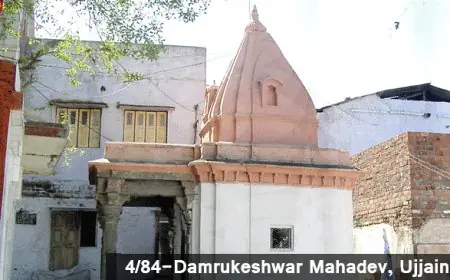
Shri Damrukeshwar Mahadev, Ujjain – The Divine Shiva Lingam Born from the Cosmic Damru Sound
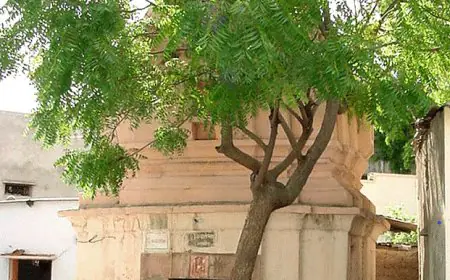
Shri Kapaleshwar Mahadev Ujjain – The Sacred Site Where Shiva’s Kapal Vrat Was Completed
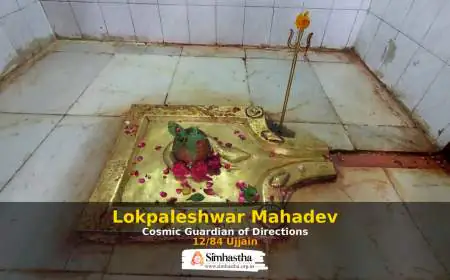
Lokpaleshwar Mahadev: 12/84 Ujjain's Cosmic Protector

Ujjain Railway Station to Mahakaleshwar Temple Distance (2026 Guide)

Ujjain Simhastha 2028 Dates Announced: Full Shahi Snan & Event Timeline

Ujjain to Mahakaleshwar Temple Distance & Taxi Fare (2026)

Ujjain Railway Station to Mangalnath Temple: Distance, Auto Fare and Best Route
The number 19 in Hindu tradition is a threshold. There are 19 avataras of Vishnu in some texts, and 19 energy channels (nadis) in certain yogic classifications. But more importantly, 19 represents the cusp between the material and the spiritual – the moment when kundalini (the serpent) rises from the root and meets the moon (mind) at the third eye. Nagchandreshwar stands exactly at that cusp.
I once met a kundalini yoga teacher from Rishikesh who had made a special pilgrimage to this temple. She told me, "I have awakened energy in hundreds of students. But awakened energy without grounded awareness is dangerous – it causes breakdowns, obsessions, even psychosis. This temple is where I send people to learn the second half of the teaching: how to cool the fire with the moon." She visits Nagchandreshwar every year to recalibrate her own energy.
That is the essence of the 19th Mahadev. Not for beginners who have never felt their inner serpent. For those who have felt something powerful rising – and need help to ride that energy instead of being ridden by it.
Naga and Chandra: The Two Forces That Shape Your Inner Universe
Let me explain the two energies that Nagchandreshwar governs. Understanding them is the key to understanding why this temple exists and why you might need it.
The Serpent (Naga) – Your Coiled, Primal Fire
In yogic physiology, the kundalini is depicted as a serpent coiled three and a half times at the base of the spine. When awakened, it rises through the chakras, unlocking powers (siddhis), creative genius, intense passion, and sometimes destructive chaos if not guided. Serpents in Hindu mythology are not evil. They are guardians of hidden treasure, symbols of regeneration (they shed their skin), and representatives of the earth's raw energy. Vasuki, Shesha, Takshaka – these are naga kings who serve Vishnu and Shiva.
But raw serpent energy without control is like a live wire – it can illuminate a room or electrocute a person. That is why Shiva wears the serpent around his neck – not as a trophy, but as a reminder that he has mastered that energy. It does not bite him. It decorates him. When your inner serpent is balanced, you have boundless energy without burnout, intense passion without obsession, creative fire without exhaustion.

The Moon (Chandra) – Your Cool, Fluctuating Mind
The moon represents the mind (manas) in Hindu cosmology. It waxes and wanes, just like your emotions. A full moon brings calm and clarity; a new moon brings restlessness and hidden fears. Shiva wears the crescent moon on his forehead – not as a fashion accessory, but as a symbol that he is aware of the mind's fluctuations without being controlled by them. The moon is also the source of amrita (nectar of immortality) in Shaiva lore – the cooling energy that balances the fire of serpent power.
When your moon is balanced, your emotions flow like a gentle river – not a stagnant pond, not a raging flood. You can feel sadness without depression, joy without mania, anger without rage.
When naga and chandra are balanced – the serpent at the root and the moon at the forehead – you can experience intense energy (great creativity, spiritual power, physical vitality) without losing your mind to anxiety, anger, or obsession. You become unstoppable yet peaceful. That is the state of Nagchandreshwar. That is what this Mahadev offers you.
The Sacred Verse: A Prayer for Serpent and Moon Harmony
Here is the devotional verse for Nagchandreshwar Mahadev. Chant it when you feel energy rising uncontrollably – or when you feel mentally scattered and need grounding.
नागैः समर्चितं देवं चन्द्रभूषणधारिणम्।
महाकालवने स्थितं नागचन्द्रेश्वरं भजे॥
Now let me translate this into the language of your nervous system.
Nagaih samarchitam devam – "The god who is worshipped by serpents." Even the nagas – powerful, dangerous, wise creatures – bow to this Shiva. If they can surrender their raw energy, so can you. You do not need to fear your own serpent – you need to offer it.
Chandrabhushanadharinam – "Who wears the moon as an ornament." The moon is not his master; it is his jewelry. Your mind – with all its waxing and waning – can also become an ornament to your consciousness, not a tyrant. You do not need to silence your mind. You need to wear it.
Mahakalavane sthitam – "Established in the Mahakal forest." The same timeless space where Mahakaleshwar destroys time itself. So Nagchandreshwar exists where cyclical energies (serpent and moon) meet eternity.
Nagchandreshvaram bhaje – "I worship Nagchandreshwar."
When you chant this verse, visualize a serpent rising from your spine and a cool moon shining from your forehead. See them meeting at your heart – not fighting, but dancing. Do not force the visualization. Just intend it. The energy will follow. Chant 11 times on Monday mornings or on Nag Panchami (the festival of serpents). You will feel a strange harmony – powerful but peaceful. That is Nagchandreshwar's darshan.
Why Devotees Seek Nagchandreshwar – Real Struggles, Real Solutions
Let me get very specific. Nagchandreshwar Mahadev is not for casual prayer. He is for those who have specific struggles with inner forces that refuse to stay balanced.
For Kundalini Awakening Issues (Energy Overload)
You have been practicing yoga, meditation, or pranayama. Suddenly you experience spontaneous jerks, intense heat in your spine, emotional outbursts for no reason, unusual visions, or insomnia with racing thoughts. You might be experiencing awakening kundalini without proper grounding. This can be terrifying. Nagchandreshwar is your anchor.
The ritual: Offer milk (cooling) and white flowers to the linga. Chant the verse 21 times. Then sit and imagine the serpent winding down from your head to your root chakra – not to sleep, but to rest in a coil of calm power. Many people with kundalini syndrome have found relief after visiting this temple regularly for 40 days.
For Unexplained Fear of Snakes (or Reptilian Phobias)
Even if you have never seen a snake in real life, an irrational phobia of them is often a projection of uncontrolled inner energy. Your subconscious is externalizing the serpent you have not yet befriended. Nagchandreshwar helps you integrate that energy, which reduces the external fear.
The practice: Bring a small snake image (toy, drawing, or even a photograph). Place it before the linga. Offer turmeric (yellow, associated with naga energy) and rice. Then say aloud: "Nagchandreshwar, I release my fear. Teach me that the serpent is my energy, not my enemy." Do this every Monday for 11 weeks. Many devotees report that their phobia reduces significantly – some even lose it completely.
For Emotional Volatility (Rapid Mood Swings)
If your mood changes like the moon – from high to low in minutes, from joy to despair without warning – you need naga energy to stabilize the lunar fluctuations. Your serpent (grounding, earthy power) is too weak to hold your moon (airy, changeable mind). Nagchandreshwar brings earthiness to your emotions.
The ritual: On a full moon night, visit the temple (or face its direction at home). Offer coconut (represents the cooled mind) and black sesame (represents grounded energy). Chant the verse 11 times. Then sit and breathe deeply for 10 minutes, placing your right hand on your belly and your left hand on your forehead. Many people with mood instability have found greater balance through this practice – always alongside medical care if the condition is clinical.
For Creative Blocks or Sexual Imbalance
Serpent energy is creative and sexual energy. When blocked, you feel stuck, frustrated, and dead inside. When excessive, you feel obsessed, compulsive, and drained. Nagchandreshwar balances the flow so your creativity and desires serve your growth, not your destruction.
The practice: Light a ghee lamp (fire) and a camphor lamp (cooling). Offer red flower (passion) and white flower (purity) together – not separately. Pray: "Lord, let my creative energy flow like a river, not like a flood. Let my desires serve my dharma, not my downfall." Artists, writers, musicians, and couples struggling with libido mismatches have found this temple exceptionally helpful.
The Deep Spiritual Lesson: Wear Your Power, Do Not Be Worn by It
Now let me take you into the core teaching of Nagchandreshwar Mahadev. It is a teaching that modern self-help completely misses.
Most people try to kill their serpent to find peace – they suppress their anger, their desire, their ambition. But suppressed energy does not disappear. It becomes depression, passive aggression, or sudden explosions. Others try to ignite their moon to find power – they chase positive thinking, affirmations, toxic positivity. But a mind forced to be happy becomes brittle and fake.
Nagchandreshwar shows a third path. He does not kill the serpent. He wears it. He does not flatten the moon. He adorns it. The serpent around his neck is alive – but it is tamed not by violence, but by presence. Shiva's energy is so high that the serpent recognizes a greater power and rests. Similarly, your raw passions, your sexual energy, your creative fire – they do not need to be killed. They need to be recognized by a higher aspect of you. When that higher aspect (the Shiva within you) is awake, the serpent becomes a decoration, not a danger.
The moon on his forehead is not clinging to him. It rests there because his awareness is cooler than the moon. Your mind – with all its waxing and waning – can also become an ornament when you stop identifying with it. You do not need to silence your mind. You need to wear it like a crescent – beautiful, changing, but not central to your identity.
This is the balance that Nagchandreshwar offers. Not killing any part of yourself. Integrating all parts into a harmonious whole – the serpent below, the moon above, and you as the Shiva who holds both.
Rituals for Serpent-Moon Balance – Traditional and Transformative
Here are the traditional rituals at Nagchandreshwar Mahadev for energy integration and mental calm. These have been practiced for centuries.
At the Temple (Ujjain)
-
Nag Panchami or Monday Visit – Nag Panchami (July-August) is the festival of serpents – the supreme day for this temple. Otherwise, any Monday is excellent.
-
Milk Abhishek – Pour milk over the linga slowly. Milk cools the serpent energy. As you pour, imagine your inner fire being balanced – not extinguished, but gentled.
-
Bilva Leaves – Offer three leaves – for body, mind, and energy. As you offer each, say: "Let my body be grounded, my mind be calm, my energy be balanced."
-
White and Red Flowers Together – Offer a white flower (moon) and a red flower (serpent) held in the same hand. This is the visual prayer for integration. Do not offer one without the other.
-
Turmeric and Rice – Offer a pinch of turmeric (naga color) mixed with rice (symbol of fertility and grounding). Sprinkle it on the linga after the milk.
-
Chant the Verse – Recite the Nagchandreshwar verse 11 times. After each chant, visualize the serpent rising from your spine to your third eye and the moon shining from your forehead.
-
Silent Grounding – Finally, place your hands flat on the temple floor (or on the stone base of the linga). Feel the earth. Say silently: "I am grounded. I am balanced. I am Nagchandreshwar's child."
At Home (For Daily Energy Regulation)
If you feel energy spikes during the day – sudden rage, anxiety, sexual urgency, creative frenzy, or panic – immediately close your eyes and chant the Nagchandreshwar verse 3 times. Then place your right hand on your belly (navel area) and your left hand on your forehead. Breathe deeply for 1 minute. This simple practice rebalances the serpent and moon almost instantly. Do it every time you feel unbalanced.
Best Days and Special Observances
-
Nag Panchami (Shravan month, July-August) – The supreme day. Serpent idols are bathed in milk and turmeric. Thousands of devotees visit. If you can only come once a year, come on this day.
-
Mondays – General Shiva worship. Especially powerful for energy balance.
-
Full Moon (Purnima) – For mental calm within energy. The moon is at its peak – perfect for moon-related prayers.
-
Shravan Maas (July-August) – The entire month is auspicious for naga worship. Any Monday in Shravan is doubly powerful.
What NOT to Offer
Do not offer broken eggs or meat – these are considered tamasic and agitate the serpent energy. Avoid red flowers alone (without white) – they represent unbalanced passion and aggression. Never pray to harm someone using serpent energy – that is black magic, and Nagchandreshwar will not only refuse but may turn that energy back on you. Also avoid loud arguments before visiting – the serpent energy in the temple is sensitive and will agitate if you bring chaos.
A Walk to Nagchandreshwar Mahadev – Location and Darshan Experience
Exact Address:
Nagchandreshwar Mahadev (19/84), Mahakal Forest Area, Ujjain, Madhya Pradesh – 456001
How to Reach
-
From Mahakaleshwar Temple – About a 20-25 minute walk through the Mahakal forest. The path is shaded and peaceful. An auto-rickshaw takes 5-7 minutes (₹35-45). Tell the driver "Nagchandreshwar, unneeswan number" (19th). Some locals say "Saanp aur Chand wala Mahadev" (the snake-and-moon Mahadev).
-
From Ujjain Railway Station – Auto to Mahakal Van (₹50-60). Then follow the saffron signboards. Look for a small stone gate with carvings of snakes and crescent moons – that is the entrance.
-
By Bus – City buses to Nana Kheda or Dewas Gate. From the stop, a 10-12 minute walk. Ask locals for "Nagchandreshwar" – most know it by name.
What You Will See
Nagchandreshwar Temple is small but intricate – a hidden gem among the 84 Mahadevs. The Shivalinga is unusual: it has two small depressions on top, said to represent the eyes of a serpent gazing upward. The yoni (base) is carved with coiled snakes and crescent moons alternating in a circle – run your finger along them; the stone is smooth from centuries of touch.
There is a unique feature here that you will not find in any other Ujjain temple: a stone naga (serpent) with five heads (like Shesha, the serpent on whom Vishnu rests) guarding the linga from the north side. Devotees touch each of the five heads and then touch their own spine (from tailbone to neck) – a ritual for kundalini blessing. The priests will guide you if you are unsure.
Behind the temple, there is a small well called Naga Kund. The water is believed to balance both serpent and moon energies. Pilgrims take a few drops in their cupped hand and apply them to their forehead (third eye) and navel (root chakra area). Do not drink it – it is for external use only. The well is ancient, possibly dating to the Paramara period (10th century).
The priests at Nagchandreshwar are often quiet, intense men who have done tantric practices. Do not be afraid of them. They are not magicians – they are custodians of energy who have spent decades learning to balance their own serpent and moon. If you have a genuine energy problem (kundalini issues, recurring nightmares of snakes, unexplainable body heat, sudden rage), they can suggest a personal mantra or simple ritual. Be respectful, honest, and brief – they are not therapists, but they are wise.
The best time for darshan is morning (6-8 AM) when the air is cool and the serpent energy is calm. Nag Panchami is crowded but incredibly powerful. Avoid late nights unless you are with a guide – the Mahakal forest can be disorienting in darkness.
How Nagchandreshwar Heals the Modern Disconnect Between Power and Peace
Let me speak about a modern epidemic that no one names. We have power without peace – successful executives who cannot sleep, artists with creative blocks that feel like death, spiritual seekers with kundalini symptoms they do not understand, ordinary people with unexplained rage or sexual compulsions that shame them. We have serpent energy rising – but no moon to cool it. Result? Burnout. Breakdowns. Broken relationships. Addictions.
Nagchandreshwar Mahadev is the antidote. He teaches that power is not the enemy – unbalanced power is. You do not need to suppress your serpent – you need to adorn it. You do not need to kill your desires – you need to wear them like jewelry that does not constrict your throat.
The temple priests tell a story about a young man who came here addicted to pornography and uncontrollable sexual thoughts. He had tried willpower – failed. He had tried guilt – failed. He had tried distraction – failed. The priest gave him a practice: "Every time the thought arises, do not fight it. Imagine that thought as a small serpent crawling toward a Shivalinga. See the serpent coil around the linga and rest. Do not suppress. Do not indulge. Offer." Within two months, the compulsion lost its grip. The energy was still there – but it was decorative, not destructive. He could feel desire without being controlled by it. That is Nagchandreshwar's grace.
Another devotee, a woman in her forties, came with severe mood swings that had ruined her marriage. She was either manic (cleaning the house at 3 AM, starting five projects at once) or depressed (unable to get out of bed). Her moon was stormy; her serpent was erratic. The priest gave her a simple ritual: every full moon and new moon, offer coconut and black sesame at the temple (or at home). Chant the verse 11 times. She did this for six months. Her moods did not vanish – but they smoothed. Her husband noticed the difference before she did. She is now a regular Monday visitor.
The Eternal Coil: What the Serpent Moon Lord Whispers to Every Seeker 🌙
When you leave Nagchandreshwar Mahadev Temple, you will carry a living metaphor inside you. The serpent at your root – powerful, coiled, waiting. The moon at your forehead – cool, rhythmic, watching. And you – the Shiva between them – neither serpent nor moon, but the awareness that holds both.
Do not try to kill your energy to find peace. Do not try to abandon your peace to find power. Nagchandreshwar shows you the third path – integration. Let the serpent rise – but let the moon cool it. Let the moon wax and wane – but let the serpent ground it.
And one day, perhaps after many visits, many milk offerings, many Nag Panchamis, you will feel it – a strange harmony you have never known. Your passions will still surge, but you will not be flooded. Your mind will still fluctuate, but you will not be tossed. Your creative fire will still burn, but you will not be burned. You will be, for a few moments, Nagchandreshwar – wearing your serpent and your moon as ornaments, not as chains.
That is the gift of the 19th Mahadev. Not power without peace. Not peace without power. But Shiva – the lord of both – living inside your own balanced heart.
Frequently Asked Questions