




















Mahakaleshwar Temple Nearby Ghats and Holy Baths: When and Why Pilgrims Visit
Discover the sacred ghats near Mahakaleshwar Temple and the spiritual significance of holy baths. Learn when pilgrims take the dip and why it matters for salvation.
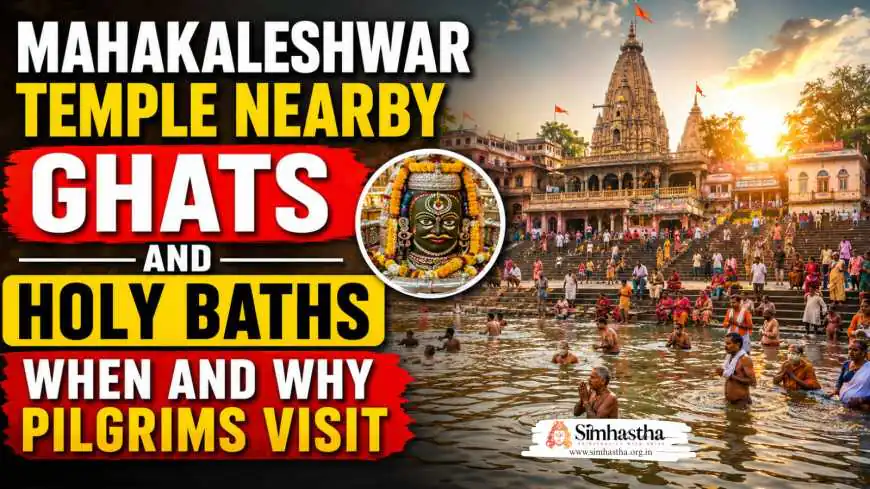


Mahakaleshwar Temple Nearby Ghats and Holy Baths: When and Why Pilgrims Visit
The sacred ghats flanking the Kshipra River near Mahakaleshwar Temple are not merely stone steps leading to water — they are portals to moksha, centuries-old witnesses to devotion, and the spiritual heartbeat of Ujjain. Pilgrims who travel to this revered Jyotirlinga shrine understand that a holy dip in these waters before offering prayers at the temple is not optional but essential. The belief is profound: bathing in the Kshipra River washes away lifetimes of sins, prepares the soul for Lord Mahakal’s darshan, and fulfills ancestral obligations. But not all times are equal. Specific lunar phases, planetary alignments, and festival calendars determine when this act becomes exponentially more powerful. Understanding these rhythms transforms a routine bath into a life-altering spiritual experience.
The Sacred Geography of Ujjain’s Ghats
The Kshipra River flows through Ujjain with quiet grace, and along its banks, a series of ghats create a spiritual corridor connecting pilgrims directly to ancient traditions. Each ghat carries unique energy, historical layers, and specific purposes that seasoned devotees respect deeply.
Ram Ghat 🛕 stands as the most prominent among them. Named after Lord Rama, who is believed to have bathed here during his exile, this ghat hosts the famous Simhastha Kumbh Mela once every twelve years. The stone steps descend generously into the river, allowing thousands to bathe simultaneously during peak pilgrimage seasons. Priests sit under umbrellas chanting mantras, flower sellers arrange marigold offerings, and the air carries the distinct aroma of incense and wet stone.
Narsingh Ghat holds fierce energy, dedicated to Lord Narasimha — the half-lion, half-man avatar of Vishnu. Pilgrims seeking protection from obstacles and relief from chronic health issues favor this ghat. The waters here are believed to carry potent healing properties, especially during early morning hours when the sun’s first rays touch the river surface.
Trending Guides Now

Ujjain Railway Station to Mahakaleshwar Temple Distance (2026 Guide)

Mahakaleshwar Temple Entry Rules 2026: Dress Code, Mobile & Bag Policy

Bhasma Aarti at Mahakaleshwar Temple – Complete Pilgrim Guide

Best Time to Visit Mahakaleshwar Temple Crowd And Weather Guide

Ujjain Simhastha 2028 Dates Announced: Full Shahi Snan & Event Timeline

Why Ujjain Is One of the Four Kumbh Cities in India

Ujjain Railway Station to Kal Bhairav Temple: Distance, Auto Fare and Best Route

Triveni Ghat Ujjain – Simhastha 2028 Complete Guide
Sunhari Ghat gleams with its own legend. The name translates to “golden,” and locals whisper that the river’s water here once turned into gold dust for a devoted king who served Lord Mahakal selflessly. Today, pilgrims come here specifically for ancestral rituals (pind daan), believing offerings made at Sunhari Ghat reach departed souls directly.
Mangalnath Ghat sits closest to the temple complex and is considered the birthplace of planet Mars (Mangal). Astrologically significant, devotees with afflicted Mars in their birth charts visit this ghat to perform remedies. The bath here, combined with specific mantras, is said to neutralize planetary doshas.
Each ghat connects to Mahakaleshwar Temple through well-marked pathways, the closest being just a five-minute walk away. This proximity is intentional — the temple and the river function as one spiritual ecosystem.
The Deeper Why: Spiritual Significance Behind the Holy Bath
Why does a bath matter so profoundly? The answer lies in Hindu cosmology and the unique status of the Kshipra River.
The River as Goddess 🌊 The Kshipra is not merely water — she is a living goddess, a daughter of the Vindhya mountains. Ancient scriptures including the Skanda Purana and Padma Purana describe her as a direct manifestation of divine consciousness. Bathing in her waters means immersing oneself in divine grace, and every ripple carries centuries of mantras recited by sages who meditated on these very banks.
Sin Destruction (Paapa Nasha) The most immediate benefit described in texts is the destruction of sins — not just current ones but accumulated across multiple lifetimes. The belief holds that a single sincere dip can erase actions that would otherwise require hundreds of rebirths to resolve. This is why pilgrims arrive with sankalpa (a sacred vow), mentally releasing specific regrets and karmic baggage as they submerge.

Ancestral Liberation 🔱 The Kshipra is one of India’s designated rivers where pitru tarpan (ancestral offerings) become infinitely effective. When a pilgrim offers water to their departed ancestors from these ghats, the ancestors receive peace and progress toward liberation. The dark fortnight (Pitru Paksha) amplifies this effect thousandfold.
Preparation for Mahakal Darshan Temple priests emphasize that entering Mahakaleshwar’s inner sanctum with a river-bathed body is non-negotiable for full spiritual benefit. The physical cleansing mirrors inner purification, creating a vessel ready to receive the intense energy of the Jyotirlinga. Many pilgrims report distinctly different darshan experiences after bathing versus visiting without the dip.
Health and Vitality Beyond metaphysics, the river’s mineral composition and the ancient practice of cold-water immersion offer genuine physical benefits. Regular bathers report improved circulation, mental clarity, and reduced joint inflammation — benefits that Ayurveda has documented for millennia.
When Pilgrims Bathe: Auspicious Timings That Multiply Merit
Not every bath carries equal spiritual weight. The scriptures specify windows when the Kshipra transforms into something even more sacred — a direct gateway to the divine.
Kartik Month (October-November)
The entire month of Kartik is considered the crown jewel of holy bathing. Pilgrims rise before dawn, often at 3 or 4 AM, to perform Kartik Snan — a bath in the bone-chilling cold that demonstrates devotion through discomfort. Each day of Kartik carries specific benefits:
-
First day (Kartik Shukla Ekadashi) — Wipes out all intentional sins
-
Full moon (Kartik Purnima) — Equivalent to bathing in all sacred rivers simultaneously
-
Last day — Grants liberation from the cycle of rebirth
🔥 Pro tip from local priests: The most powerful bath happens on Kartik Purnima when the moon reflects perfectly on the Kshipra’s surface. Pilgrims who bathe at this exact moment, while chanting “Om Namah Shivaya,” receive blessings said to equal a thousand lifetimes of worship.
Somvati Amavasya (Monday New Moon)
This rare alignment — a new moon falling on a Monday — creates extraordinary spiritual geometry. Somvati Amavasya occurs once or twice annually, and the Kshipra ghats swell with devotees. Married women bathe seeking husbands’ longevity; unmarried women pray for desired life partners; men perform elaborate ancestral rituals.
The protocol is specific: bathe before sunrise, offer black sesame seeds and water to ancestors, then visit Mahakaleshwar Temple before the first aarti. Pilgrims who complete this sequence report profound dreams and unexpected life changes within weeks.
Solar and Lunar Eclipses
Eclipses carry complex symbolism — traditionally considered inauspicious for normal activities but immensely powerful for holy bathing. During an eclipse, the Kshipra’s waters are believed to connect directly to all sacred rivers across India and the Himalayas. A single dip during these hours equals bathing in the Ganga, Yamuna, Godavari, Narmada, and Kaveri simultaneously.
⚠️ Important warning: The temple remains closed during the eclipse period itself. Bathing happens either before the eclipse begins (for protection) or immediately after it ends (for purification). Check exact timings with temple authorities, as rules vary.
Mahashivratri (February-March)
The night of Lord Shiva’s cosmic dance sees Ujjain transform into a sea of devotion. Pilgrims bathe at midnight — the hour when Mahakal is believed to walk the ghats invisibly. The water temperature drops dramatically, yet devotees line the steps from 11 PM onward, chanting and waiting for that sacred moment.
🌙 Local wisdom: Bathe at Ram Ghat precisely at 12:15 AM on Mahashivratri. Older pilgrims claim this is when the Lord’s energy is most accessible, and the river’s current briefly reverses direction as proof of divine presence.
Daily Auspicious Hours
For ordinary days, two windows are considered most powerful:
-
Brahma Muhurta (4:00 AM – 5:30 AM) — The creator’s hour, when the veil between worlds is thinnest. Bathing here aligns the body’s circadian rhythms with cosmic cycles.
-
Sunrise (exact time varies) — As the sun touches the horizon, the Kshipra absorbs solar energy. Pilgrims face east while bathing to receive both blessings simultaneously.
The Complete Bathing Ritual: Step by Step
Knowing how to bathe transforms the act from routine to transformative. Priests at the ghats guide pilgrims through this sequence, but understanding it beforehand deepens the experience.
Step 1: Sankalpa (Sacred Intention) 📿
Before stepping into the water, stand on the ghat steps, face east, cup your hands, and state your intention aloud or silently. Example: “I [your name] take this holy dip in Kshipra River to cleanse my body, mind, and soul. May Lord Mahakal accept my devotion and remove all obstacles from my spiritual path.”
Step 2: Partial Immersion (Three Dips) 💧
Enter the water slowly. Submerge completely three times. With each dip, chant: “Om Namah Shivaya” (first dip for sin cleansing), “Om Kshipraya Namah” (second dip for ancestor peace), “Om Mahakalaya Namah” (third dip for self-realization).
Step 3: Water Offering (Arghya) 🪔
Face the sun (east) or the temple (north). Cupping both hands, lift water and let it flow back while offering prayers to Surya (sun) and Lord Shiva. Repeat 11 times or 108 times for maximum benefit.
Step 4: Ancestral Offerings (Tarpan)
If performing for departed family, stand waist-deep, facing south. Offer water mixed with black sesame seeds and barley. Recite your ancestors’ gotra (lineage) and names if known, or simply say: “May all my ancestors in all lineages receive peace and liberation through this offering.”
Step 5: Temple Visit 🛕
Without drying fully (damp clothes symbolize ongoing grace), walk directly to Mahakaleshwar Temple. The energy transfer from river to deity works best when the body remains wet. Priests confirm this is non-negotiable for the full effect.
✅ Proven benefit: Pilgrims who follow all five steps report darshan experiences that feel distinctly different — calmer minds, sharper focus, and occasional visions of blue light inside the sanctum.
Practical Pilgrim Planning: Making the Most of Your Visit
Spiritual preparation matters, but practical planning separates a smooth pilgrimage from a frustrating one.
Best Seasons for Holy Baths
| Season | Months | Experience |
|---|---|---|
| Winter (ideal) | November-February | Cold water (10-15°C), low crowds except festival days, crisp air, clear skies |
| Summer (challenging) | March-June | Water levels drop, extreme heat (40°C+), early morning bathing essential |
| Monsoon (advanced) | July-September | Strong currents, flooded ghats, only experienced swimmers should enter |
⏰ Timing alert: During peak festivals (Kartik Purnima, Mahashivratri, Somvati Amavasya), arrive at the ghat by 3 AM to avoid 2-3 hour queues.
What to Bring
Pack a dedicated pilgrimage bag separate from regular luggage:
-
Two sets of dry clothes (one for post-bath, one for return travel)
-
Small copper pot (lotaa) for collecting river water to take home
-
Black sesame seeds for ancestral rituals (available at ghat shops)
-
Waterproof bag for phone and wallet
-
Basic first aid including band-aids (stone steps can be slippery)
-
Towel specific for pilgrimage — keep separate from regular use
🚆 Travel tip: The Ujjain railway station is 2 km from Ram Ghat. Auto-rickshaws charge ₹30-40. During festivals, roads close to vehicles 1 km before the ghats — plan for walking.
Changing Facilities and Safety
The municipal corporation maintains separate changing rooms for men and women at Ram Ghat and Narsingh Ghat. These are basic but functional — concrete enclosures with hooks and benches. Lockers are not available, so travel light or use hotel lockers before arriving.
⚠️ Critical safety: The Kshipra’s current becomes deceptively strong during monsoons and immediately after full moons due to tidal influence. Never enter beyond waist-deep if you cannot swim. Life jackets are available for free at the lifeguard posts during major festivals.
Mistakes That Diminish Spiritual Benefit
Even well-intentioned pilgrims inadvertently reduce the power of their holy bath. Avoid these common errors:
Bathing After Sunrise 🌅
The window closes once the sun fully rises. Bathing at 8 AM carries only 10% of Brahma Muhurta’s benefit according to priest calculations. Set the alarm early — this is non-negotiable.
Using Soap or Shampoo 🧼
The Kshipra is a goddess, not a swimming pool. Soap residues insult the river and destroy the spiritual efficacy. Rinse with water only. Body cleansing happens at the level of karma, not hygiene.
Talking During the Dip 💬
Conversation scatters the intention. Pilgrims who chat while bathing receive only physical cleansing. Maintain silence from the moment you step onto the ghat until you leave the water.
Skipping the Temple Visit 🚫
Bathing without Mahakal darshan is like polishing a lamp without lighting it. The river’s grace must be presented to the deity. Local belief warns that unoffered blessings can even cause restlessness.
Carrying Leather Items 🥿
Leather is prohibited on temple grounds and considered impure near sacred water. Remove belts, wallets, and shoes before approaching the ghat. Designated leather storage counters exist at Ram Ghat for ₹10-20.
What Pilgrims Experience: Testimonies from the Ghats
Beyond scripture and instruction, something unnameable happens on those stone steps. Ask any pilgrim who has bathed during Brahma Muhurta, and you’ll hear variations of the same story.
“I came for my father’s first death anniversary,” shares Rajesh from Pune. “I didn’t believe in much. But when I came up from the third dip, my chest felt lighter than it had in months. My father appeared in my dream that night, smiling, telling me he was finally at peace.”
“The water was freezing during Kartik,” laughs Meera from Bengaluru. “My teeth chattered so hard I couldn’t chant properly. But when I walked into the temple afterward, I swear I felt hands on my shoulders — warm, reassuring hands. No one was behind me.”
“I brought my terminally ill mother,” says Vikram from Delhi. “The priests said a holy dip could help, but she couldn’t walk. They carried her on a wooden plank and lowered her gently. She cried — not from cold, she said, but from love. She passed away two weeks later, peaceful and unafraid. I know the Kshipra prepared her.”
These testimonies aren’t proof in any scientific sense. But they reveal something statistics cannot measure — the quiet certainty that grows in the space between ritual and experience.
The Emotional Return: Why Pilgrims Keep Coming Back
No one visits Mahakaleshwar’s ghats just once. Something pulls them back — an invisible thread tied somewhere deep in the soul during that first cold shock of river water.
Perhaps it’s the memory of ancestors suddenly feeling near, not as ghosts but as gentle presences. Perhaps it’s the way the temple bells sound different when heard through wet ears — clearer, more insistent, more personal. Perhaps it’s simply the realization that for a few minutes, standing waist-deep in ancient water under an infinite sky, the boundary between self and something larger dissolved.
Regular pilgrims describe the ghats as a second home. They know which priest sits on which step. They know where the current pulls and where it holds still. They know that the woman selling marigolds at Ram Ghat has lost two sons but still smiles. They know that the old man chanting Vishnu Sahasranama at Narsingh Ghat has done so every dawn for forty years.
This is the deeper gift of the holy bath. Not just sin destruction or ancestral peace or health benefits — though those matter. The real gift is belonging. Belonging to a tradition that has bathed these same waters for five thousand years. Belonging to a community of seekers who understand without explanation. Belonging, even temporarily, to something vast enough to hold all your broken pieces and still call you whole.
When you finally dry off, change clothes, and walk toward Mahakaleshwar Temple’s towering shikhara, you won’t look the same. Your skin remembers the river’s touch. Your lungs remember the cold gasp. Your heart remembers why you came.
And that memory stays. Long after you return home, long after the airport crowds and the unpacking and the return to ordinary life — something remains. A quiet knowing. A secret understanding. The certainty that the Kshipra’s waters are still flowing through you, carrying your prayers somewhere vast and listening.
That is why pilgrims bathe. That is why they return. That is why, centuries from now, new feet will walk down those same stone steps, hesitate at the water’s edge, and then — with a breath and a prayer — step into grace. 🛐
Frequently Asked Questions