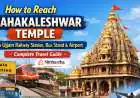




















Types of Pujan Available at Mahakaleshwar Temple
Discover all types of pujan at Mahakaleshwar Temple Ujjain. Complete guide to Bhasma Aarti, Jal Abhishek, Maha Abhishek, and special rituals with booking details.



Types of Pujan Available at Mahakaleshwar Temple
The Mahakaleshwar Temple in Ujjain, one of the twelve sacred Jyotirlingas, offers devotees a profound spiritual journey through its diverse range of pujans and rituals. From the legendary Bhasma Aarti performed in the brahmamuhurta hours to elaborate Maha Abhisheks with sacred rivers’ water, the temple provides multiple ways to connect with Lord Mahakal. Whether you seek daily blessings, special occasion worship, or deep spiritual immersion, understanding each pujan type helps you plan a truly fulfilling pilgrimage.
1. Bhasma Aarti – The Sacred Ash Ritual 🔱
The Bhasma Aarti stands as the crown jewel of all pujans at Mahakaleshwar Temple. Performed daily during the brahmamuhurta (approximately 4:00 AM to 5:00 AM depending on the season), this ritual involves bathing the lingam with sacred ash (vibhuti) from the temple’s cremation ground – symbolizing Lord Shiva’s role as the destroyer of illusion and embodiment of renunciation.
What makes this pujan unique: The ash, mixed with water from the Shipra River, is applied to the Jyotirlinga while priests chant Rudram and other Vedic hymns. The entire sanctum fills with an otherworldly energy as the ash transforms into a radiant white coating over the black stone lingam.
Devotee experience: Witnessing the Bhasma Aarti is considered the highest spiritual privilege. The crowd limit is strictly controlled, and prior booking through the temple’s online system or authorized agents is essential. Tickets typically sell out weeks in advance during peak seasons (Shravan month, Mahashivratri).
Trending Guides Now

Secrets Behind Mahakaleshwar’s Sacred Architecture

Mahakaleshwar VIP vs General Darshan: Which Is Better?

How Mahakaleshwar Temple Handles Lakhs of Devotees Daily

Storytelling Traditions of Mahakal Temple

Ujjain Railway Station to Mahakaleshwar Temple Distance (2026 Guide)

Ujjain Simhastha 2028 Dates Announced: Full Shahi Snan & Event Timeline
Ujjain Railway Station to Kal Bhairav Temple: Distance, Auto Fare and Best Route

Triveni Ghat Ujjain – Simhastha 2028 Complete Guide
Booking note: Foreign tourists and NRI devotees can access special quota tickets. Arrive at the temple by 3:30 AM for security checks and to secure a good viewing position.
2. Jal Abhishek – The Holy Water Offering 💧
Jal Abhishek is the most accessible and deeply fulfilling daily ritual at Mahakaleshwar Temple. Devotees pour holy water – traditionally from the Narmada River or Shipra River – over the Jyotirlinga while chanting “Om Namah Shivaya” or the Mahamrityunjaya Mantra.
Why Jal Abhishek matters: Water represents purity, life, and surrender. Lord Shiva is known as “Ashutosh” (easily pleased), and even a simple offering of water with sincere devotion brings immense blessings. This pujan requires no prior booking – you can purchase water containers at temple stalls or bring your own Narmada Jal.
Best timing: Early morning (5:00 AM to 9:00 AM) offers the most peaceful experience. Afternoon hours can be crowded with shorter queues but less spiritual ambience. Evening hours before Sandhya Aarti (6:30 PM) are also beautiful.
Practical tip: The priests offer assisted Jal Abhishek for a nominal dakshina (₹51 to ₹251). They will guide you through the proper mantras and rituals, making this ideal for first-time visitors.
3. Maha Abhishek – Elaborate Five-Item Ritual 🛕
The Maha Abhishek is a comprehensive worship involving five sacred offerings: milk, curd, ghee, honey, and sugar (panchamrita), followed by water from holy rivers. This 30 to 45-minute ritual transforms the regular darshan into a deeply immersive spiritual experience.

What happens during Maha Abhishek: Priests perform the abhishek while continuously chanting the Rudram Chamakam – one of the most powerful Vedic hymns dedicated to Lord Rudra (Shiva). After the bathing rituals, the lingam is adorned with fresh flowers, sandalwood paste, and bilva leaves. Devotees receive the panchamrita prasad – considered extraordinarily sacred.
Who should book this: Families celebrating auspicious occasions (birthdays, anniversaries, housewarming), individuals seeking relief from planetary afflictions (especially Saturn or Rahu-Ketu), or anyone wanting a dedicated, private-feeling worship experience.
Cost and booking: ₹1,100 to ₹5,100 depending on the package and season. Book 2–3 days in advance through the temple trust office or authorized online portals. A maximum of five family members can participate directly inside the sanctum area.
4. Rudra Abhishek – Vedic Power Chanting 🔱
The Rudra Abhishek stands apart for its intense Vedic chanting. Unlike the simpler Jal Abhishek, this pujan involves eleven priests chanting the Sri Rudram (from the Yajurveda) followed by the Namakam and Chamakam – powerful hymns that invoke Lord Rudra’s fierce and benevolent aspects.
Spiritual significance: Rudra Abhishek is recommended for removing deep karmic blocks, healing chronic illnesses, overcoming major life obstacles, and bringing peace to disturbed family environments. Many devotees perform this for 11 consecutive Thursdays or on Pradosh days.
Duration and experience: Approximately one hour. The rhythmic chanting creates visible vibrations in the sanctum. Devotees often report emotional releases – tears, goosebumps, or profound peace. This is not a casual sightseeing activity but a deep spiritual practice.
Booking advice: Requires minimum 7–10 days advance booking. Cost ranges from ₹2,100 to ₹11,000. The temple allows up to 10 family members. Best performed during Shravan month, Mahashivratri, or on Mondays.
5. Laghu Rudra Abhishek – The Eleven-Priest Grand Ritual
For those seeking maximum spiritual impact, the Laghu Rudra Abhishek is a condensed version of the massive Ati Rudra Mahayajna. Eleven priests chant the entire Rudram eleven times sequentially – totaling 121 recitations – while performing continuous abhishek.
What makes this special: This is not a daily ritual. It requires dedicated booking and is typically performed for specific sankalpas (vows) – world peace, business success, recovery from terminal illness, ancestral liberation (pitru dosha), or major life transitions.
Duration: 3 to 4 hours. Devotees must sit through the entire ceremony. The energy inside the sanctum becomes remarkably intense – many describe it as “time standing still” or feeling wrapped in a protective blanket of sound vibrations.
Cost and logistics: ₹11,000 to ₹51,000. Book at least one month in advance through the Mahakaleshwar Temple Trust office. The temple provides prasad lunch for all participants. Limited to 15 family members.
6. Narmada Jal Abhishek – The River’s Blessing 💧
The Narmada River holds special significance in Shiva worship. Legend states that the Narmada originated from Lord Shiva’s sweat during his cosmic dance – making her more sacred than the Ganges for certain rituals. Narmada Jal Abhishek involves pouring only Narmada water over the Jyotirlinga – no other items.
Why choose this pujan: Simple yet powerfully effective. Narmada water naturally contains mercury (parad) traces, aligning with the temple’s own parad lingam connections. This abhishek is recommended for:
-
Removing Narmada dosha (ancestral water-related karmas)
-
Healing skin diseases
-
Improving mental clarity and focus
-
Preparing for meditation or spiritual sadhana
Practical details: You can bring your own Narmada Jal (collected from Omkareshwar or Maheshwar) or purchase it from temple-authorized vendors. No advance booking needed. Cost ₹101 to ₹501 including priest assistance. Best performed on Mondays or during the month of Magha.
7. Sandhya Aarti – The Evening Glory 🔥
While technically an aarti rather than an abhishek, the Sandhya Aarti at Mahakaleshwar Temple deserves mention for its breathtaking devotional power. Held at sunset (approximately 6:30 PM, varying by season), this 45-minute ritual involves lamps, incense, conches, drums, and the entire temple congregation singing the Mahakaleshwar Aarti.
What to expect: Unlike the quiet intimacy of Bhasma Aarti, Sandhya Aarti is vibrant, loud, and community-driven. The main priest waves massive brass lamps with multiple wicks while devotees raise their hands in prayer. The final aarti – “Jai Mahakal, Jai Jai Mahakal” – echoes through every corner of the temple complex.
Participation options: Special seating passes (₹250–₹500) are available for closer viewing. Otherwise, general devotees can stand in the main hall. Arrive by 5:30 PM during peak season for a decent spot. Cameras and phones are restricted in the inner sanctum but allowed in outer areas.
Emotional impact: Many devotees describe spontaneous tears during the final drumrolls and conch sounds. The energy shifts from the day’s busy darshan to a collective surrender – strangers holding hands, swaying together, voices merging into one ocean of devotion.
8. Nandi Pujan – The Gatekeeper’s Blessing 🐂
Before approaching Lord Mahakal, tradition dictates seeking permission from Nandi – Shiva’s devoted bull and eternal gatekeeper. The Nandi Pujan involves offering ghee, jaggery, and grass (symbolic) to the large black Nandi idol facing the sanctum.
Why perform Nandi Pujan: Nandi represents righteousness (dharma), patience, and unwavering devotion. Worshipping him first ensures your main pujan reaches Lord Shiva without obstacles. This ritual is especially recommended for:
-
Those facing repeated darshan delays or cancellations
-
Devotees seeking physical strength and stamina
-
Removing anger issues or impulsive behavior
-
Gaining the ability to listen deeply (Nandi’s large ears symbolize receptive hearing)
How to perform: The Nandi idol is accessible without separate booking. Offer a small coconut, ghee lamp, and jaggery. Whisper your prayers into Nandi’s left ear – tradition holds he hears directly and conveys to Lord Shiva. Priest assistance available for ₹51–₹151.
Best practice: Perform Nandi Pujan immediately upon entering the temple, before joining any queue for the main sanctum.
9. Kalsarpa Pujan – Planetary Relief Ritual
The Kalsarpa Pujan at Mahakaleshwar Temple is specifically designed for devotees with Kalsarpa Yoga in their birth charts – where all planets are hemmed between Rahu and Ketu. This condition is believed to cause delays, frustrations, and blocked progress in multiple life areas.
Why Mahakaleshwar Temple is special: As the only Jyotirlinga representing Lord of Time (Mahakal – “beyond time”), this temple holds unique power over planetary karmas. The ritual involves:
-
Abhishek with specific mantras targeting Rahu and Ketu
-
Offering of black sesame seeds, black cloth, and iron items
-
108 circumambulations (parikrama) with specific sankalpa
-
Final donation (daan) to Brahmin priests
Duration and cost: 2 hours. ₹2,100 to ₹11,000 depending on planetary positions. Requires astrological verification (bring your horoscope or consult the temple’s resident astrologer). Book 7–10 days advance. Best performed on Saturdays, Amavasya (new moon), or during eclipse seasons.
Realistic expectation: This pujan reduces negative effects but doesn’t eliminate them entirely – consistent good karma and ethical living remain essential.
10. Pitru Dosha Nivaran Pujan – Ancestral Healing 👨👩👧👦
Pitru Dosha occurs when ancestors’ unresolved karmas or unsatisfied souls affect current family members – causing repeated obstacles, health issues, childbirth delays, or financial instability. The Pitru Dosha Nivaran Pujan at Mahakaleshwar Temple combines Shiva worship with ancestral offerings (pind daan and tarpan).
Unique aspect: Unlike most temples where pitru rituals require a priest to travel to Gaya or Prayag, Mahakaleshwar’s status as a Mukti Sthal (liberation place) means ancestors receive direct benefit. The ritual includes:
-
Naming specific ancestors (as known) or general offering for “unknown ancestors”
-
Abhishek with black sesame, barley, and Kusha grass
-
Offering of cooked rice balls (pind) in designated area
-
Final aarti and Brahmin feeding
Who needs this: Anyone experiencing unexplained family conflicts, repeated pregnancy loss, children’s behavioral issues, or dreams of deceased relatives appearing disturbed or hungry.
Booking details: ₹1,100 to ₹5,100. 3–5 days advance booking recommended. Performed on Amavasya, Pitru Paksha (entire fortnight in September–October), or Krishna Paksha Tuesdays. The temple provides a puja certificate for family records.
11. Mangal Dosh Pujan – Mars Remediation 🔴
Mahakaleshwar Temple is particularly famous for Mangal Dosh (Kuja Dosha) remediation because Ujjain is the temple city of Mangal (Mars) – one of the nine Navagraha temples dedicated to the red planet. Devotees with Mars in 1st, 2nd, 4th, 7th, 8th, or 12th house of their birth chart seek this pujan to:
-
Remove marriage delays or marital discord
-
Reduce aggression and impulsive anger
-
Heal land disputes or property issues
-
Protect against accidents and surgeries
The ritual: Red flowers, red cloth, coral (munga) offerings, combined with Mahamrityunjaya Mantra chanting – which balances Mars’s sharp energy with Shiva’s cooling presence. Special red abhishek (vermillion mixed water) is performed.
Timing: Best performed on Tuesdays (Mars day) during Margashirsha or Chaitra months. Cost ₹1,100 to ₹3,100. No advance booking needed for individual prayers, but the full ritual requires 2–3 days notice.
12. Sahasra Kumbhabhishekam – The Thousand-Pot Ceremony
For the most spiritually ambitious devotees, Sahasra Kumbhabhishekam involves bathing the Mahakaleshwar Jyotirlinga with 1,008 consecrated pots of holy water, milk, and herbal decoctions. This is not a daily or monthly ritual – it requires massive coordination and is performed only:
-
On special temple festivals (once every 12 years for the main Kumbhabhishekam)
-
By high-net-worth individuals or family trusts during auspicious planetary alignments
-
During Maha Kumbh Mela years (every 12 years) when Ujjain hosts the Simhastha fair
What happens: One thousand priests simultaneously chant Vedic mantras while 1,008 pots are poured in sequence over the lingam – a breathtaking spectacle of sound, water, and devotion. The ceremony lasts 5 to 8 hours.
Cost and booking: ₹5,11,000 and above. Requires approval from the Mahakaleshwar Temple Trust Executive Officer. Typically booked 6–12 months in advance. Includes accommodation for 50 family members, feast for 1,000+ devotees, and media coverage (if desired).
Who books this: Royal families, large business houses, international spiritual organizations, or families celebrating a 60th/80th birthday with extraordinary gratitude.
13. Online Pujan Booking – Virtual Participation 📱
Not everyone can travel to Ujjain. The Mahakaleshwar Temple Trust now offers online pujan services where priests perform rituals on your behalf and send you:
-
Live video recording (WhatsApp or email)
-
Prasad (sacred ash, flowers, rice) couriered to your address
-
Digital sankalpa certificate with timing and mantra details
Available online pujans: Jal Abhishek (₹151), Rudra Abhishek (₹1,100), Laghu Rudra Abhishek (₹5,100), Pitru Dosh Nivaran (₹2,100), Mangal Dosh Pujan (₹1,100).
How it works: Book through the official Mahakaleshwar Temple mobile app or website. Enter your name, gotra, and sankalpa (purpose). The temple assigns a priest who performs the ritual at the scheduled time, chanting your name during the sankalpa. You receive confirmation within 24 hours of completion.
Best for: Elderly devotees, international pilgrims, emergency puja needs (hospitalized relatives), or those testing the waters before an in-person visit.
Planning Your Pujan Experience – What You Must Know ✅
Best months to visit: November to February (pleasant weather) or July to August (Shravan month – maximum spiritual energy but extreme crowds). Avoid March to June (scorching heat – 42°C+).
Essential items to carry: Valid ID, printed booking confirmation (if any), change for lockers (mobile phones not allowed inside), a small mat or cloth for sitting, water bottle (plastic-free preferred), and modest clothing covering shoulders and knees.
Common mistakes pilgrims make:
-
⚠️ Trusting touts near the temple promising “VIP entry” – they overcharge 5x for free services
-
⚠️ Wearing leather items (belts, wallets, shoes) – remove before entering main complex
-
⚠️ Forgetting to remove mobile phone before sanctum – leads to missed darshan while returning to lockers
-
⚠️ Visiting on Monday without pre-booking Bhasma Aarti – impossible for walk-ins
-
⚠️ Ignoring Nandi Pujan before Lord Mahakal – traditional etiquette violation
Etiquette tips: Speak softly inside temple premises. Avoid pointing feet toward the lingam. Accept prasad with right hand. Do not offer money inside the inner sanctum – give dakshina outside after aarti. Photography is strictly banned inside – enjoy the moment instead.
The Deeper Meaning – Why Pujan at Mahakaleshwar Transforms You 🔱
Beyond the mechanics of abhishek and aarti, Mahakaleshwar Temple offers something rare – a confrontation with time itself. Lord Mahakal is not merely “Lord of Death” as often mistranslated. Kala means time – the past, present, and future simultaneously. Standing before this Jyotirlinga, devotees face their mortality, their attachments, and ultimately, their liberation.
Each pujan type serves as a doorway. Jal Abhishek asks for purification. Rudra Abhishek demands courage. Pitru Pujan heals lineage wounds. Bhasma Aarti whispers: “You will return to ash – so live meaningfully today.”
Devotees who return year after year speak not of wishes granted but of perspective shifted. Problems that once seemed insurmountable shrink. Priorities rearrange. The frantic mind slows. And in that slowing, grace enters.
Whether you book the simplest ₹51 Jal Abhishek or the grand ₹5 lakh Sahasra Kumbhabhishekam, the same Mahakal receives you. No ritual outperforms sincere devotion. No dakshina outweighs a tearful “Thank you.”
Plan your visit. Choose your pujan. But leave room for the unplanned – the unexpected moment when time stops, the conch sounds, and you forget everything except the black stone before you, glowing with ash, alive with centuries of prayers. Om Namah Shivaya. 🔱
Frequently Asked Questions