

















Biofeedback Meditation: Technology Meets Mindfulness for Better Focus and Stress Relief
Discover how biofeedback meditation uses technology to track heart rate, breath and brainwaves to enhance mindfulness, reduce stress and improve emotional balance naturally.


Biofeedback Meditation: When Technology and Mindfulness Work Together
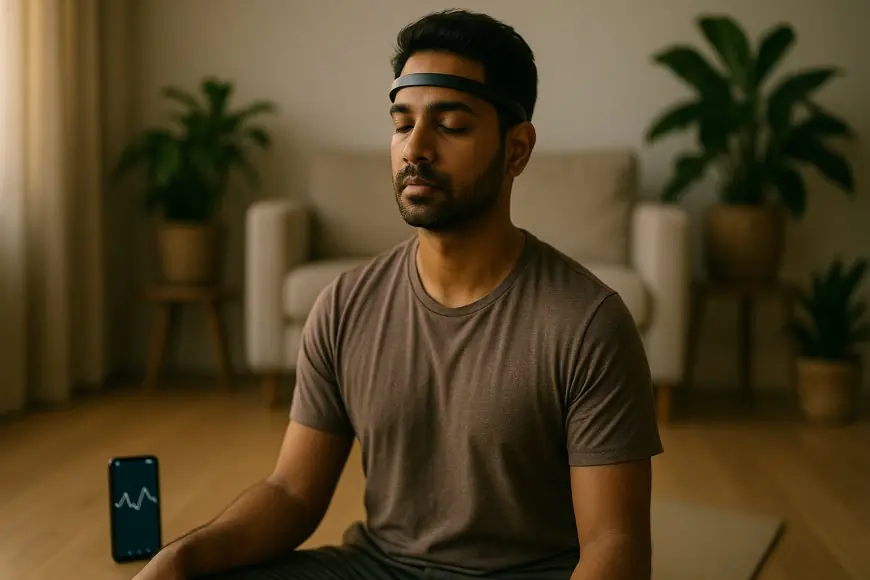
Meditation is one of the oldest inner sciences in the world. Biofeedback is one of the newest. When these two forces come together, a revolutionary meditation approach is born — one that helps people experience mindfulness with measurable results. Biofeedback meditation allows the practitioner to monitor their mind–body state in real time using wearable technology. Instead of guessing whether they are calm or focused, they receive live biological feedback from the brain, breath and nervous system.
Biofeedback meditation does not replace traditional mindfulness — it enhances it. It supports beginners struggling with wandering thoughts and helps advanced meditators enter deeper states of awareness sooner. In a world where stress, screen fatigue, and anxiety are rising, biofeedback is becoming a bridge between digital innovation and inner wellbeing.
What Is Biofeedback Meditation?
Biofeedback meditation is a practice where sensors or wearable devices track bodily signals such as:
-
Brainwaves
Trending Guides Now

Color Meditation: A Simple Technique to Heal the Mind Through Visual Imagery
Transcendental Meditation: Simple Step-by-Step Process for Beginners

Indian Meditation Traditions: Journey from the Vedas to Modern Day Practices

Sitting Positions for Meditation: Padmasana to Chair Pose — The Ultimate Guide

Ujjain Railway Station to Mahakaleshwar Temple Distance (2026 Guide)

Ujjain Simhastha 2028 Dates Announced: Full Shahi Snan & Event Timeline

Ujjain Simhastha Update: CM Mohan Yadav Reviews 2028 Works

Karkateshwar Mahadev: 22/84 Mahadev of Ujjain
-
Heart rate variability (HRV)
-
Breathing rhythm
-
Muscle tension
-
Skin temperature
These signals are translated into visual or audio feedback through an app or device. When the mind calms, the feedback reflects it — for example, slower heart rate, higher HRV, or smoother breathing. The user learns how to consciously shift their internal state toward relaxation and focus.
Technology becomes a mirror for the mind.

How Biofeedback Enhances Mindfulness
Many beginners struggle with meditation because they feel unsure whether they're “doing it right.” Biofeedback removes that uncertainty by showing what is happening biologically inside the brain and nervous system.
Biofeedback helps meditators to:
-
Recognize distraction sooner
-
Notice how breath and thoughts affect the body
-
Train attention more efficiently
-
Experience calm on demand
-
Build self-regulation as a repeatable skill
With time, biofeedback shifts from external guidance to internal mastery.
Biological Systems Measured in Biofeedback Meditation
Different devices measure different aspects of the nervous system:
| Measurement | Meaning |
|---|---|
| Brainwaves (EEG) | Level of focus, calmness, awareness |
| Heart Rate Variability | Stress resilience and emotional stability |
| Breath Pattern | Nervous system state and relaxation depth |
| Muscle Tension | Physical stress and anxiety levels |
| Skin Conductance | Emotional arousal, stress or agitation |
The body reveals the truth of emotional states long before the mind consciously notices them.
Why Technology Helps the Brain Learn Meditation Faster
Meditation strengthens parts of the brain responsible for focus, emotional balance and decision-making. But like physical exercise, it requires repetition. Biofeedback accelerates this process by:
-
Rewarding the brain instantly when calm increases
-
Encouraging deeper concentration naturally
-
Reducing frustration for beginners
-
Helping meditators detect distractions earlier
Instead of taking months to understand their inner patterns, learners begin recognizing them within days.
Biofeedback Meditation and Stress Reset
Stress is not only a mental state — it is a nervous system response. Biofeedback calms stress because it:
-
Reduces activity in the amygdala (fear and anxiety center)
-
Increases activation of the prefrontal cortex (reason and clarity)
-
Stimulates the parasympathetic nervous system (rest and recovery)
-
Balances breath rhythm to stabilize emotions
The result is a grounded and peaceful mental state that remains even in challenging situations.
Real-Life Benefits Reported by Practitioners
Users of biofeedback meditation commonly experience:
-
Better ability to calm themselves during stress
-
30–45% improvement in focus and productivity
-
Reduced emotional outbursts and reactivity
-
Better sleep quality and recovery
-
A higher sense of control over thoughts and moods
-
Improved performance in high-pressure fields (corporate, sports, academics)
Many describe it as a “shortcut to inner balance” — not because it replaces effort but because it teaches the nervous system how to relax efficiently.
Biofeedback for Emotional Regulation and Relationships
When people learn to regulate their inner state, their outer world transforms. Biofeedback meditation is especially helpful for:
-
Anger management
-
Anxiety around social interactions
-
Sensitivity to criticism
-
Attachment to digital stimulation
-
Difficulty expressing emotions calmly
Those who practice regularly communicate with more empathy, patience and presence.
Are Biofeedback Devices Only for Professionals?
No. Although neurofeedback began in research labs, today biofeedback meditation:
-
Can be practiced at home
-
Is available via user-friendly wearables and mobile apps
-
Works without requiring scientific or technical knowledge
The purpose is not to depend on gadgets forever — the purpose is to train the mind until inner awareness becomes effortless.
Meditation Is Still the Foundation
Despite using technology, biofeedback does not replace ancient meditation. It simply helps the mind understand itself faster. Once self-awareness strengthens, breath and attention become powerful tools even without devices.
Digital support + Inner intelligence = Deep mindfulness
The Future of Meditation
The popularity of biofeedback meditation is growing globally:
-
Athletes use it for performance and calmness
-
Corporate leaders use it for decision-making and stress control
-
Therapists use it for trauma recovery and emotional balance
-
Students use it for focus and memory
-
Parents use it for sleep and burnout relief
As technology advances, meditation becomes more accessible, measurable and personalized — without losing its spiritual dignity.
Frequently Asked Questions