


















Preparing for Simhastha 2028: What Pilgrims Can Expect in the Next Maha Kumbh of Ujjain
Get ready for Simhastha 2028 in Ujjain — the grand Maha Kumbh where faith, devotion, and divine energy converge. Discover what pilgrims can expect: new infrastructure, digital facilities, Akhara arrangements, ghats, accommodation plans, and spiritual highlights.


Preparing for Simhastha 2028: What Pilgrims Can Expect in the Next Maha Kumbh of Ujjain
Introduction
Ujjain — the city that beats to the rhythm of devotion — is once again preparing for a divine spectacle that occurs only once in twelve years: Simhastha 2028, the Maha Kumbh of Ujjain.
As the countdown begins, faith meets preparation. From modern infrastructure to spiritual rejuvenation, the city is transforming to welcome millions of devotees from around the world.
The air already feels charged with anticipation — the call of the Mahakal Nagari is echoing once again.
For Every pilgrims, understanding Simhastha 2028 dates and the official Shahi Snan timeline is essential before booking flights or accommodation, as these sacred dates are completely non-negotiable.
What Is Simhastha and Why It Matters
Simhastha is not just a religious gathering; it is a celestial alignment — a rare astrological event when the planet Jupiter enters Leo (Simha Rashi) while the Sun also occupies the same sign.
This cosmic alignment symbolizes the flow of divine energy, and according to Hindu belief, bathing in the Shipra River during this period washes away sins and opens the path to salvation (moksha).
Trending Guides Now

Senior Citizen Darshan Guide for Mahakaleshwar and Ujjain Temples
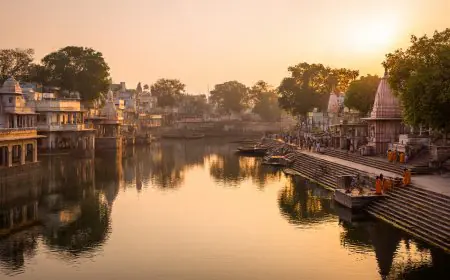
The Magic of the Shipra River – Ujjain’s Sacred Lifeline of Faith and Flow
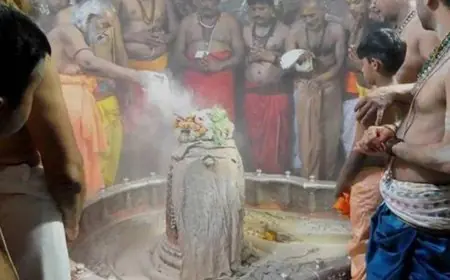
A Morning at Mahakaleshwar: My Experience of the Bhasma Aarti in Ujjain
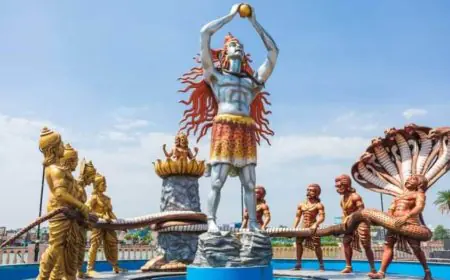
A Walk Through Mahakal Lok – Ujjain’s Grand Spiritual Corridor and Divine Experience

Ujjain Railway Station to Mahakaleshwar Temple Distance (2026 Guide)

Ujjain Simhastha 2028 Dates Announced: Full Shahi Snan & Event Timeline

Ujjain Simhastha Update: CM Mohan Yadav Reviews 2028 Works
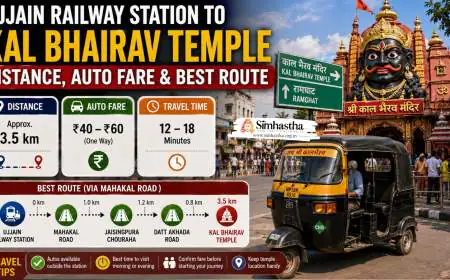
Ujjain Railway Station to Kal Bhairav Temple: Distance, Auto Fare and Best Route
Ujjain, one of the four sacred Kumbh cities (along with Prayagraj, Haridwar, and Nashik), is unique — it is the city of time (Kaal) and the abode of Lord Mahakaleshwar, one of the twelve Jyotirlingas.
The Vision for Simhastha 2028
The Madhya Pradesh government, local administration, and Akharas have already begun meticulous planning for Simhastha 2028.
The focus this time is not only on managing the massive footfall but also on creating a spiritual, clean, and digital experience for all pilgrims.
Key Highlights:
-
Smart Pilgrim Facilities: Digital kiosks for directions, real-time crowd monitoring, and mobile apps for information.
-
Expanded Ghats: Beautification and strengthening of Shipra’s banks for safer and smoother bathing rituals.
-
Eco-Friendly Infrastructure: Solar-powered streetlights, biodegradable waste systems, and green zones.
-
Accommodation: Thousands of tent cities, dharmashalas, and hotels being prepared for different budgets.

-
Transport and Connectivity: Improved railway station, airport connectivity, and shuttle services to major ghats and temples.
-
Safety & Medical Care: Emergency response centers, AI-based crowd tracking, and telemedicine services for pilgrims.

Simhastha 2028 is shaping up to be a perfect blend of tradition and technology — keeping the essence of devotion intact while embracing modern comfort.
What Pilgrims Can Expect During the Event
1. The Holy Bath (Shahi Snan)
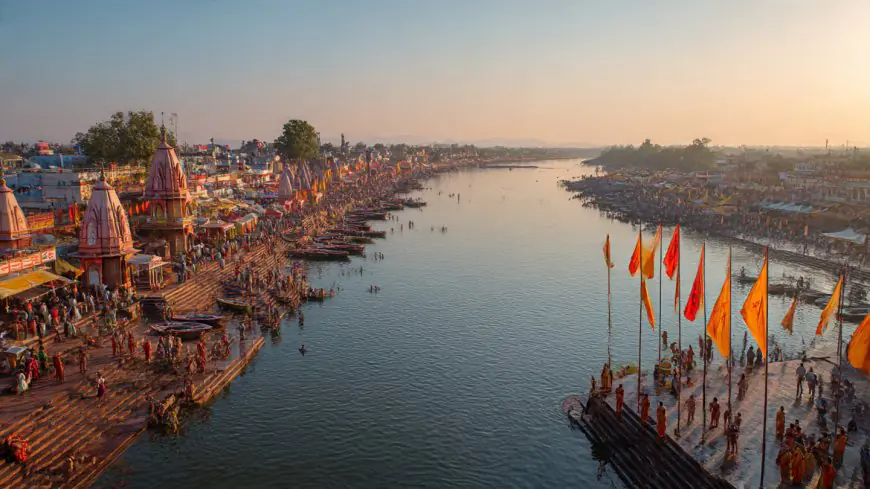
The heart of Simhastha lies in the sacred dip in the Shipra River. On the main Shahi Snan days, millions will gather to take the ritual bath alongside the revered Naga Sadhus and saints of various Akharas. The sight is breathtaking — the sound of conch shells, chants of Har Har Mahadev, and the glimmer of the sun on the sacred waters create a divine atmosphere that transcends words.
2. Akhara Camps and Saints
The Akharas, representing centuries of spiritual lineage, will set up elaborate camps. Meeting the saints, attending their discourses, and witnessing their rituals will be one of the most soul-stirring experiences of Simhastha.
3. Mahakal Lok Experience
Since the inauguration of Mahakal Lok Corridor, Ujjain has become even more spiritually immersive. During Simhastha 2028, Mahakal Lok will serve as the heart of devotion — illuminated with divine sculptures, mythological depictions, and live performances that narrate Lord Shiva’s glory.
4. Food and Cultural Heritage
Free community kitchens (langars), local delicacies, and cultural programs will showcase Ujjain’s rich heritage. From devotional songs to folk dances, every evening will be a celebration of faith and unity.
5. Spiritual Discourses and Yagyas
Pilgrims can attend spiritual seminars, Gita Path, meditation camps, and yagyas performed by renowned gurus and saints.
Preparations Underway
Authorities have already started groundwork on:
-
Riverfront redevelopment along the Shipra.
-
Upgradation of internal roads and highways connecting Indore and Maksi.
-
Smart traffic systems to manage the large influx of vehicles.
-
Digital ID systems for pilgrims to ease registration and crowd control.
Additionally, new railway platforms, bus terminals, and satellite parking areas are being built to prevent congestion.
The Pilgrim’s Journey – A Personal Perspective
Imagine stepping into Ujjain in 2028 — the air buzzing with chants of Om Namah Shivaya, the streets lined with saffron flags, and the Shipra reflecting thousands of lamps.
You walk barefoot toward the ghat at dawn. The cool air carries the smell of incense and flowers. Saints are meditating by the riverside, children are helping elders bathe, and every face reflects faith and peace.
This is Simhastha — where time stands still, and the soul feels infinite.
A Celebration Beyond Boundaries
Simhastha is not limited to religion — it’s a symbol of unity, discipline, and devotion. People of all backgrounds come together, seeking spiritual awakening and collective peace.
Ujjain, the ancient city that once calculated the movement of stars at Vedh Shala, will again become the center of the cosmic and spiritual universe during Simhastha 2028.
Conclusion
Simhastha 2028 is not just another Kumbh — it’s a divine rendezvous that binds heaven and earth through faith.
The preparations underway are a testament to Ujjain’s ability to honor tradition while embracing progress.
For every pilgrim, Simhastha is more than a journey — it’s an awakening.
So start your preparations, mark your calendars, and get ready to witness one of the greatest spiritual gatherings on Earth — Simhastha Ujjain 2028.
Frequently Asked Questions