



















Nageshwar Jyotirlinga: The Eternal Serpent Power of Lord Shiva Near Dwarka
Discover the divine power, history, rituals, and spiritual significance of Nageshwar Jyotirlinga near Dwarka—one of Shiva’s most sacred abodes and a symbol of eternal serpent energy.
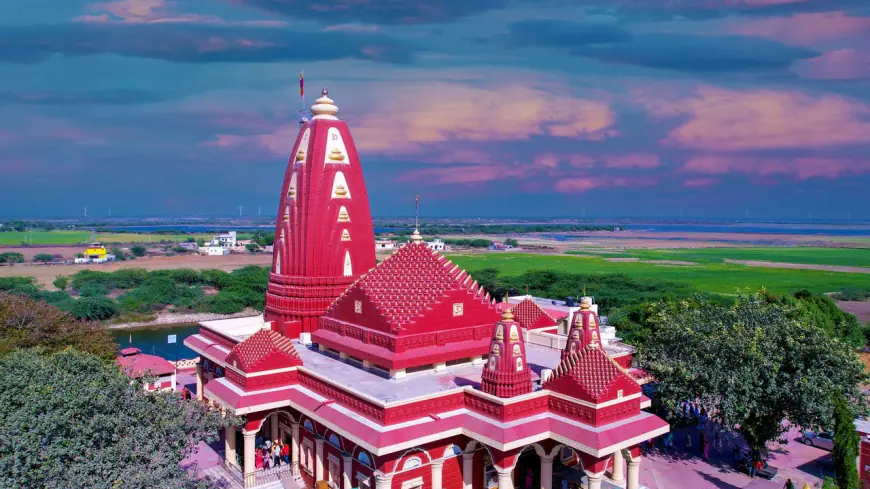


Nageshwar Jyotirlinga: The Eternal Serpent Power of Lord Shiva Near Dwarka
Among the twelve sacred Jyotirlingas of India, few radiate the mystical presence of Lord Shiva as powerfully as Nageshwar Jyotirlinga, located near the divine city of Dwarka in Gujarat. This ancient temple stands as a symbol of Shiva’s serpent energy—timeless, protective, and infinite. With its roots in mythology, astronomy, and deep Yogic symbolism, Nageshwar is one of the most spiritually potent destinations for Shiva devotees worldwide.
Nestled close to the Arabian Sea on the route between Dwarka and Beyt Dwarka, this Jyotirlinga embodies the union of cosmic elements—water, wind, fire, and spirit. Pilgrims who visit the shrine often describe a powerful sense of calm and grounding, as if the blessings of Lord Shiva permeate the landscape itself.
For Every pilgrims, understanding Simhastha 2028 dates and the official Shahi Snan timeline is essential before booking flights or accommodation, as these sacred dates are completely non-negotiable.
A Jyotirlinga Rooted in Cosmic Mythology
The essence of Nageshwar lies in the timeless legend of the demon Daruka, whose dense forest kingdom became a source of suffering for sages and devotees. According to ancient scriptures, Daruka imprisoned a pious Shiva devotee named Supriya. When Supriya invoked Shiva through the sacred mantra Om Namah Shivaya, Lord Shiva manifested as a radiant column of light—a Jyotirlinga—and destroyed Daruka’s tyranny.
Trending Guides Now

Vaidyanath Jyotirlinga: The Divine Healing Abode of Lord Shiva in Deoghar

Somnath Temple: History, Architecture, Myths and Divine Legacy of India’s First Jyotirlinga
Mahakaleshwar Temple Ujjain: History, Bhasma Aarti, Darshan Guide & Complete Travel Details

Omkareshwar Jyotirlinga: Complete Guide, History, Importance & Darshan Tips (2026)

Ujjain Railway Station to Mahakaleshwar Temple Distance (2026 Guide)

Ujjain Simhastha 2028 Dates Announced: Full Shahi Snan & Event Timeline

Ujjain Simhastha Update: CM Mohan Yadav Reviews 2028 Works

Karkateshwar Mahadev: 22/84 Mahadev of Ujjain
This divine intervention became sanctified as Nageshwar, the Lord of Serpents, representing Shiva’s power to protect the righteous and destroy negativity. The serpent symbolism also connects deeply with the Kundalini energy: the coiled serpent at the base of the spine that rises through Yogic practice toward liberation.
Nageshwar Jyotirlinga therefore signifies:
-
Protection from negative forces
-
Awakening of inner spiritual energies
-
Liberation through devotion
-
Fearlessness and inner strength


The temple’s serene ambience continues to remind pilgrims of these profound truths.
Nageshwar in Ancient Texts and Traditions
Nageshwar Jyotirlinga is mentioned in multiple revered scriptures, including:
-
Shiva Purana
-
Skanda Purana
-
Dwadasha Jyotirlinga Stotra
The temple is praised as a sacred site where Shiva resides eternally in his serpent form, blessing devotees with courage and clarity. According to regional legends, the area around Nageshwar was once covered in thick forests where serpents thrived—hence the name Nag-darukavana.
The temple also finds mention in early travel accounts from pilgrims who undertook the Char Dham Yatra. Many described the aura of the temple as “fear-dissolving,” a quality that continues to attract spiritual seekers today.
A Serene Sanctuary Between Land and Sea
Situated approximately 17 kilometers from Dwarka, Nageshwar Temple stands amid open fields, swaying palm trees, and the calming winds of the Arabian Sea. The temple itself exudes a quiet vibrancy with its traditional Hindu architecture, expansive campus, and towering Shiva statue standing as a beacon of divine presence.
Despite its popularity, the temple maintains an atmosphere of serenity, especially during early morning hours when the first rays of sunlight fall upon the sacred lingam. For pilgrims journeying through Dwarka, Nageshwar offers a peaceful break from city crowds—a place where spirituality and nature harmonize.
An Iconic Feature: The Four-Directional Lingam
One of the most unique aspects of Nageshwar Jyotirlinga is its special orientation. The lingam is placed below ground level in the main sanctum, symbolizing humility and grounding. According to temple tradition, the lingam is also self-manifested (Swayambhu), radiating energy and devotion uninterruptedly.
The architecture of the sanctum ensures that the energy of the lingam flows outward in all directions—a symbolic reminder that divine protection surrounds devotees from every side.
The 80-Foot Shiva Statue: A Divine Landmark
A spectacular 80-foot statue of Lord Shiva stands prominently within the temple complex. With calm eyes, raised hand, and flowing locks, this monumental sculpture appears to guard the region like a serene sentinel. It has become one of the most photographed and revered landmarks of Dwarka pilgrimage.
For many, meditating at the base of the statue opens a deep sense of inner peace and connection with the limitless energy of Shiva.
Rituals and Worship at Nageshwar Jyotirlinga
Every day at Nageshwar follows a sacred rhythm of rituals infused with devotion. The most important offerings include:
-
Rudrabhishek with milk, ghee, honey, and sacred water
-
Bilva Patra offerings signifying the three eyes of Shiva
-
Maha Aarti performed morning and evening
-
Mantra chanting, particularly Om Namah Shivaya
The temple is especially vibrant during:
-
Maha Shivratri
-
Shravan month
-
Mondays (Somvar)
-
Pradosh Vrat
-
Kartik Purnima
During these times, thousands of devotees gather for darshan, chanting, and special pujas.
Dwarka–Nageshwar Pilgrimage Circuit: A Divine Triangle
Most devotees combine Nageshwar Darshan with two other sacred sites:
-
Dwarkadhish Temple – the kingdom of Lord Krishna
-
Beyt Dwarka – Krishna’s ancient island residence
This creates a spiritually balanced pilgrimage that brings together Shiva and Vishnu worship, symbolizing unity in the Hindu tradition.
The proximity of Nageshwar to these sacred sites elevates the temple’s significance for both spiritual seekers and historians.
How to Reach Nageshwar Jyotirlinga
Location: Darukavanam, near Dwarka, Gujarat, India
Nearest Airport: Jamnagar Airport (~130 km)
Nearest Railway Station: Dwarka Railway Station (~17 km)
Road Connectivity: Excellent highways connect Dwarka to Rajkot, Jamnagar, Porbandar, and other major Gujarat cities.
Local transportation options include auto-rickshaws, buses, and taxis.
Best Time for Darshan
While the temple is open year-round, the ideal times for pilgrimage include:
-
October to March – pleasant climate
-
Shravan month – peak devotion
-
Mahashivratri – grand celebrations
Early morning darshan typically offers the most peaceful and spiritually uplifting experience.
Spiritual Significance for Modern Seekers
Nageshwar Jyotirlinga is not merely a temple but a sanctuary of awakening for those seeking:
-
Release from fear
-
Stability and grounding
-
Protection from negativity
-
Activation of inner spiritual energy
-
Balance between mind and emotion
In Yogic tradition, serpents represent Kundalini Shakti—the latent cosmic energy curled at the base of the spine. Worshiping at Nageshwar is believed to activate this energy, helping devotees rise toward higher consciousness.
A Living Symbol of Lord Shiva’s Infinite Energy
Whether one arrives as a pilgrim, a devotee, a seeker, or a traveler, Nageshwar Jyotirlinga leaves an unforgettable mark on the soul. The temple’s serenity, the mythic presence of the serpent power, and the cosmic symbolism radiating from the lingam make it one of India’s most transformative spiritual destinations.
Here, Shiva reveals his form not as the destroyer alone but as the protector—removing fear, dissolving ego, and guiding devotees toward inner truth.
Frequently Asked Questions