


















Meditation Retreats: What to Expect and How to Prepare for a Transformative Experience
Learn what to expect on a meditation retreat, including daily routine, food, accommodation, silence periods, rules and how retreats transform mental clarity, inner peace and emotional balance.


Meditation Retreats: What to Expect
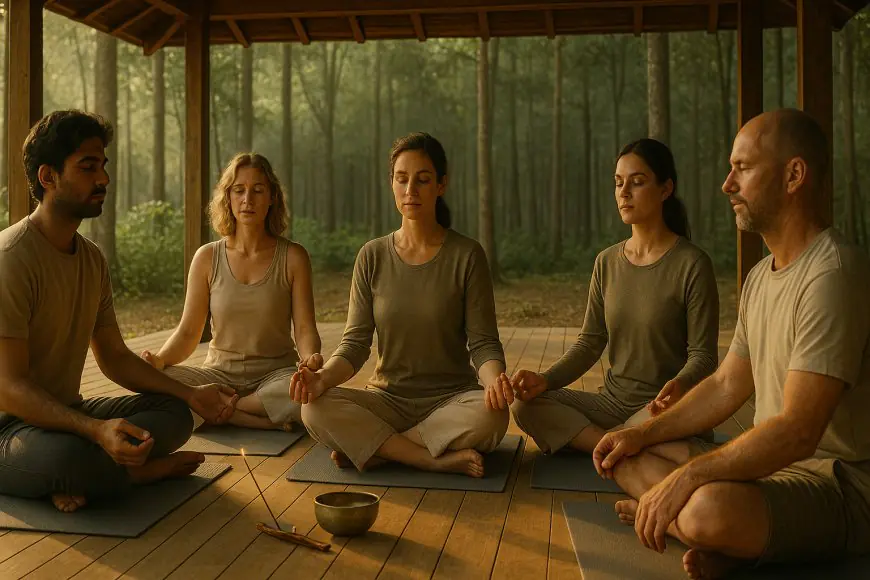
A meditation retreat is more than a holiday — it is a journey inward. Away from noise, screens, deadlines and expectations, retreats create a safe space to pause, breathe and reconnect with the self. Many people attend their first retreat with curiosity and a little nervousness, unsure what will happen. But nearly everyone returns with the same message: “I found a part of myself I had forgotten.”
Retreats vary in length — from one-day city retreats to week-long and even 10-day silent retreats. But the purpose is the same everywhere: to reset the nervous system, clear the mental clutter and experience deep peace beyond everyday stress.
The Purpose of Attending a Meditation Retreat
Daily life constantly pulls attention outward — emails, tasks, responsibilities and social roles. Retreats reverse this flow. For a few days, a person’s attention turns inward, allowing:
-
Mental rest from overstimulation
Trending Guides Now
Using Mala Beads in Meditation Practice: A Complete Beginner’s Guide

Trataka Meditation in Indian Yogic System: Candle Gazing for Concentration and Inner Clarity
Candle Gazing Meditation (Trataka): A Complete Beginner’s Guide to Method and Benefits
Light Visualization Meditation: A Simple Technique for Calmness and Inner Clarity

Ujjain Railway Station to Mahakaleshwar Temple Distance (2026 Guide)

Ujjain Simhastha 2028 Dates Announced: Full Shahi Snan & Event Timeline

Ujjain Simhastha Update: CM Mohan Yadav Reviews 2028 Works
Ujjain Railway Station to Kal Bhairav Temple: Distance, Auto Fare and Best Route
-
Break from emotional pressure
-
Reset of unhealthy habits
-
Reconnection to peace and clarity
Retreats are not escapes from life — they are training for living life with more awareness, calmness and confidence.
What the Daily Routine Looks Like
A typical meditation retreat includes a structured schedule designed to balance effort and relaxation. Most retreats follow a rhythm similar to:
-
Wake-up bell at sunrise

-
Guided or silent meditation sessions
-
Light yoga or mindful movement
-
Group sitting or teachings on awareness
-
Vegetarian meals eaten mindfully
-
Nature walks or contemplative silence
-
Evening meditation and reflection
-
Early lights out to support deep rest

The regular rhythm trains the body and mind to slow down and stabilize.
Silence and Digital Detox
Many retreats include “noble silence” for several hours or even the entire duration. Silence:
-
Reduces distractions
-
Slows mental chatter
-
Strengthens inner awareness
-
Creates emotional clarity
Digital detox is also common. Phones are switched off and stored safely. Without constant notifications, the brain relaxes into deeper presence.
What You Learn in a Meditation Retreat
Retreats teach practical and experiential skills such as:
-
Breath awareness meditation
-
Mindfulness of thoughts and emotions
-
Body scan for relaxation
-
Loving-kindness (Metta) practice
-
Walking meditation
-
Journaling for self-reflection
Participants learn to understand the mind rather than fight it.
Food and Accommodation — Simple but Nurturing
Retreat meals are usually vegetarian, satvik and light to support meditation. Food is taken mindfully, often without talking. This builds gratitude and awareness of eating.
Rooms are simple, clean and quiet. Luxury is not the focus — inner comfort is.
Emotional Release and Healing
It is common to feel emotions rise during a retreat — relief, joy, sadness, gratitude, even tears. This is not a sign of weakness. When the mind becomes quiet, suppressed emotions gently surface and release, creating emotional healing.
This is why participants often feel lighter and clearer after a retreat.
Benefits After Completing a Retreat
People who return from meditation retreats often notice:
-
Clearer thinking
-
Better sleep and energy
-
More patience and emotional stability
-
Reduced anxiety and stress
-
Higher productivity and creativity
-
Deeper self-understanding
-
Stronger sense of purpose
Retreats offer transformation that continues long after the event ends.
Who Can Attend a Meditation Retreat?
Retreats are open to:
-
Beginners with no meditation experience
-
People under work or emotional stress
-
Students or professionals wanting mental clarity
-
Parents seeking balance
-
Anyone curious about personal growth
You do not need to be spiritual or religious — retreats are universal and inclusive.
Common Myths About Retreats
❌ You must sit perfectly still for hours
✔ Breaks and posture adjustments are allowed
❌ Retreats are only for monks
✔ Retreats are designed for ordinary people
❌ You must be silent the entire time
✔ Only some retreats are fully silent
❌ Meditation retreats are expensive
✔ Many affordable and donation-based retreats exist
What Changes After a Retreat
The biggest shift is internal — not external. Participants begin to:
-
Respond rather than react
-
Enjoy solitude without discomfort
-
Stay calm in challenging moments
-
Appreciate little joys in daily life
-
Reduce unnecessary overthinking
-
Build healthier boundaries and habits
A retreat does not remove stress from life — it teaches how to live peacefully with life.
Frequently Asked Questions