
















Cultural Narratives Around Mahakal Festivals
Explore cultural narratives around Mahakal festivals. Discover traditions, stories, rituals, and spiritual meanings shaping Ujjain’s sacred celebrations.


Cultural Narratives Around Mahakal Festivals
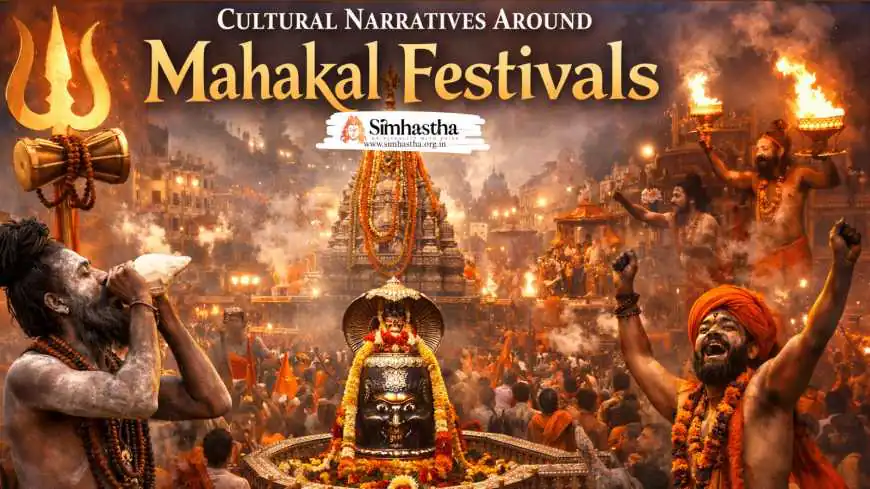
Festivals at Mahakaleshwar Temple Ujjain are not merely ritual gatherings but living cultural expressions shaped by centuries of devotion, storytelling, and tradition. These celebrations carry rich layers of meaning, where cultural narratives mahakal festivals intertwine mythology, ritual practices, and community experiences. Through chants, processions, storytelling, and shared participation, devotees engage with shiva festival stories india that explain the significance of Mahakal as the lord of time and transformation. These narratives preserve heritage, strengthen faith, and create a collective spiritual identity that continues to evolve while remaining deeply rooted in tradition.
Understanding Cultural Narratives in Temple Festivals
Cultural narratives are the stories, beliefs, and meanings associated with rituals and traditions. In the context of mahakal festival traditions ujjain, these narratives provide depth and context to every activity.
They help devotees understand:
-
Why rituals are performed
Trending Guides Now

Best Time to Visit Mahakaleshwar Temple Crowd And Weather Guide

Ujjain Bus Stand to Mahakaleshwar Temple Distance (2026 Guide)

Mahakaleshwar Tatkal Bhasma Aarti Booking Guide 2026
Sheeghra Darshan vs Normal Darshan at Mahakaleshwar Temple

Ujjain Railway Station to Mahakaleshwar Temple Distance (2026 Guide)

Ujjain Simhastha 2028 Dates Announced: Full Shahi Snan & Event Timeline

Ujjain Simhastha Update: CM Mohan Yadav Reviews 2028 Works

Karkateshwar Mahadev: 22/84 Mahadev of Ujjain
-
What festivals represent
-
How traditions evolved
This understanding transforms participation into meaningful engagement.
The Historical Roots of Mahakal Festival Traditions
The origins of ujjain festival heritage date back centuries, shaped by royal patronage, spiritual practices, and community involvement.
Over time, these traditions incorporated:
-
Mythological stories of Lord Shiva

-
Local customs and practices
-
Evolving social influences

This blend creates a dynamic yet consistent cultural framework.
Also Read | Mahakaleshwar Temple Darshan Timings And Aarti Schedule
Mahashivratri and Its Narrative Significance
Mahashivratri is one of the most important festivals associated with Mahakal. Its cultural narratives focus on themes of creation, destruction, and spiritual awakening.
The festival highlights:
-
The cosmic role of Shiva
-
The importance of devotion and discipline
-
The balance between material and spiritual life
These themes make mahakal shivratri significance central to understanding the festival.
Rituals as Storytelling Mediums
Rituals performed during festivals are not just actions but symbolic stories. Each step in the ritual carries meaning.
For example:
-
Lighting lamps represents knowledge
-
Offering water symbolizes purification
-
Chanting mantras reflects devotion
These practices form part of mahakal rituals meaning, turning rituals into narrative expressions.
Also Read | Best Time to Visit Mahakaleshwar Temple Crowd And Weather Guide
Processions and Public Celebrations
Festival processions are vibrant expressions of devotion and culture. They bring narratives into public spaces.
During these events:
-
Idols are carried through streets
-
Devotees chant and sing
-
Communities participate collectively
These processions reflect temple festivals storytelling india, making stories visible and shared.
Oral Traditions and Storytelling During Festivals
Storytelling plays a central role in preserving shiva festival stories india. During festivals, elders, priests, and devotees share narratives that explain the significance of rituals.
These stories:
-
Provide historical context
-
Reinforce spiritual values
-
Inspire devotion
They ensure continuity of hindu temple festival storytelling.
Also Read | Mahakal Lok Architecture A Divine Fusion Of Arts
The Role of Music and Devotional Songs
Music is an integral part of festival narratives. Bhajans, kirtans, and aartis convey stories through melody and rhythm.
These songs:
-
Simplify complex ideas
-
Engage large audiences
-
Create emotional connection
They strengthen mahakaleshwar temple festivals culture.
Also Read | Senior Citizen Darshan Guide
Community Participation and Collective Identity
Festivals create a sense of unity among devotees. Shared participation builds a collective identity rooted in faith.
This unity:
-
Encourages cooperation
-
Strengthens social bonds
-
Promotes cultural continuity
It reflects the importance of pilgrimage festival culture india.
Symbolism Embedded in Festival Practices
Every aspect of Mahakal festivals carries symbolic meaning. Understanding these symbols enhances the experience.
Examples include:
-
Sacred ash representing impermanence
-
Bells symbolizing awareness
-
Offerings reflecting gratitude
These symbols are central to mahakal devotees traditions.
Also Read | Women Safety Guide for Ujjain
Influence of Ujjain’s Spiritual Environment
The city of Ujjain itself contributes to the richness of festival narratives. Its temples, ghats, and history create a supportive environment.
This environment amplifies:
-
Devotional energy
-
Cultural expression
-
Spiritual awareness
It enhances sacred festivals ujjain.
Intergenerational Transfer of Cultural Narratives
Festivals serve as platforms for passing traditions to younger generations. Elders play a key role in teaching values and stories.
This transfer ensures that:
-
Traditions remain alive
-
Cultural identity is preserved
-
Knowledge is shared
It strengthens ujjain cultural traditions mahakal.
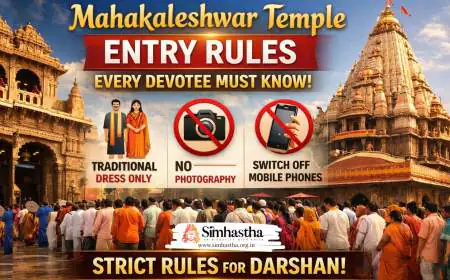
One of the most common questions visitors ask is whether they can carry mobile phones inside the temple. Because of security regulations and the need to maintain the sanctity of the shrine, mobile phones are usually restricted inside the temple premises. Devotees who want a clear explanation of the official mobile policy can read the detailed guide Is Phone Allowed in Mahakaleshwar Temple Ujjain, where the rules, locker facilities, and visitor guidelines are explained in depth.
Modern Influences on Traditional Narratives
While traditional practices remain strong, modern influences are shaping festival narratives.
Digital platforms and media have expanded access to jyotirlinga festival narratives, allowing wider participation.
Despite these changes, the core values remain unchanged.
Emotional and Spiritual Impact of Festival Narratives
Cultural narratives influence how devotees feel and connect with the festival.
They create:
-
Emotional engagement
-
Spiritual reflection
-
A sense of belonging
This impact makes festivals more than events; they become experiences.
The Role of Pilgrims in Shaping Narratives
Pilgrims contribute to cultural narratives through their experiences and stories. Each visit adds a new layer to the tradition.
This evolving nature keeps cultural narratives mahakal festivals dynamic and relevant.
From Tradition to Personal Experience
While narratives are shared collectively, each devotee interprets them personally.
This personal connection:
-
Deepens understanding
-
Strengthens faith
-
Enhances engagement
It bridges the gap between tradition and individual experience.
When Festivals Become Living Narratives
Mahakal festivals are not static traditions but living narratives that evolve with time.
Every ritual, story, and interaction adds to this evolving narrative, making each festival unique yet familiar.
The Ever-Flowing Story of Mahakal
The cultural narratives surrounding Mahakaleshwar Temple Ujjain do not end with the festival. They continue through memories, stories, and practices carried forward by devotees.
These narratives flow through generations, adapting to changing times while preserving their essence.
In this continuous flow, Mahakal festivals remain vibrant expressions of devotion, culture, and shared identity, where every participant becomes both a listener and a storyteller in an ever-expanding spiritual journey.
Related Ujjain Darshan Guides :
- Why Every Devotee Should Visit Kal Bhairav Temple
- A Morning at Mahakaleshwar
- A Walk Through Mahakal Lok
- Why Ujjain is Called the City of Salvation
- Exploring Sandipani Ashram Ujjain
- Perfect Stay Near Mahakaleshwar Temple, Ujjain
- Ujjain ke Mahakaleshwar
- Chintaman Ganesh: Why Wishes Are Said to Manifest Faster Here
- Bhartrihari Caves: Meditation Secrets Hidden Underground
- VIP Darshan at Mahakaleshwar: What No One Tells You
Frequently Asked Questions