



















Reflection Practices After Visiting Mahakal Temple
Learn powerful reflection practices after Mahakal Temple visit. Transform your spiritual experience into lasting inner peace, clarity, and devotion.
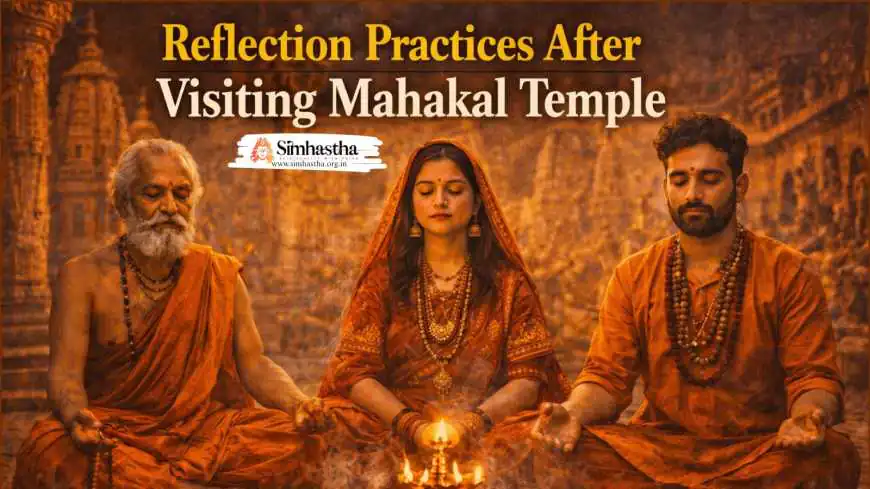


Reflection Practices After Visiting Mahakal Temple
A visit to Mahakaleshwar Temple Ujjain often leaves devotees with a powerful spiritual imprint. The experience of mahakal darshan is intense, emotional, and transformative. However, the true depth of this journey unfolds after returning home. Through intentional mahakal temple reflection practices, devotees can convert a temporary spiritual high into lasting inner clarity, discipline, and peace. These practices help integrate the energy of the pilgrimage into daily life, ensuring that the connection with Lord Shiva continues beyond the temple walls.
Why Reflection After Mahakal Visit Is Essential
Many devotees experience a shift in awareness during their visit to Mahakaleshwar Jyotirlinga, but without reflection, this transformation may fade over time.
Reflection acts as a bridge between experience and understanding. It allows devotees to:
-
Process emotions felt during mahakal darshan
Trending Guides Now

Mahakaleshwar Temple Entry Rules 2026: Dress Code, Mobile & Bag Policy

Best Time to Visit Mahakaleshwar Temple Crowd And Weather Guide

Ujjain Bus Stand to Mahakaleshwar Temple Distance (2026 Guide)

Mahakaleshwar Tatkal Bhasma Aarti Booking Guide 2026

Ujjain Railway Station to Mahakaleshwar Temple Distance (2026 Guide)

Ujjain Simhastha 2028 Dates Announced: Full Shahi Snan & Event Timeline

Ujjain Simhastha Update: CM Mohan Yadav Reviews 2028 Works

Karkateshwar Mahadev: 22/84 Mahadev of Ujjain
-
Understand personal insights gained
-
Apply spiritual lessons in daily life
Without this step, even the most powerful ujjain spiritual reflection may remain incomplete.
Also Read | Mahakaleshwar Temple Darshan Timings And Aarti Schedule
Revisiting the Darshan Experience Mentally
One of the simplest yet most effective practices is mentally revisiting the moment of darshan.
Devotees can sit in silence and recall:

-
The first glimpse of Mahakal Jyotirlinga
-
The sounds of chants and bells
-
The emotions felt in that moment
This practice strengthens the connection with Mahakal experience integration and helps retain the emotional depth of the visit.
Writing Personal Spiritual Reflections
Journaling is a powerful tool for post pilgrimage reflection ujjain. Writing down thoughts and feelings allows clarity to emerge.
Devotees can reflect on:
-
What they felt during the visit
-
What lessons they learned
-
What changes they wish to make in life
This process transforms abstract experiences into concrete insights, making them easier to implement.
Also Read | Best Time to Visit Mahakaleshwar Temple Crowd And Weather Guide
Establishing a Daily Shiva Bhakti Routine
After visiting Mahakaleshwar Temple, many devotees feel inspired to deepen their spiritual practice. Creating a daily routine helps sustain this connection.
A simple shiva bhakti daily routine may include:
-
Morning prayer or meditation
-
Chanting “Om Namah Shivaya”
-
Lighting a diya or incense
Consistency is more important than complexity. Even small practices can maintain the energy of the pilgrimage.
Practicing Silence and Mindfulness
The moments of silence experienced during mahakal darshan can be recreated through daily mindfulness.
Setting aside a few minutes each day for silence allows devotees to reconnect with their inner state. This practice enhances inner peace after mahakal visit and reduces mental clutter.
Over time, mindfulness becomes a natural part of life rather than a separate activity.
Also Read | Mahakal Lok Architecture A Divine Fusion Of Arts
Applying Lessons Learned During the Visit
Every pilgrimage offers lessons, but their value lies in application. Devotees should consciously implement the insights gained.
Common lessons include:
-
Practicing patience
-
Letting go of control
-
Developing gratitude
Applying these lessons ensures that post pilgrimage transformation becomes visible in everyday behavior.
Detachment and Balanced Living
The experience of Mahakaleshwar Jyotirlinga often highlights the temporary nature of life. Reflection helps internalize this understanding.
Devotees can practice detachment by:
-
Reducing unnecessary stress
-
Avoiding over-attachment to outcomes
-
Focusing on meaningful priorities
This balance leads to a calmer and more focused lifestyle.
Also Read | Senior Citizen Darshan Guide
Reconnecting Through Mantra and Chanting
Chanting plays a central role in maintaining spiritual connection. Repeating sacred mantras helps recreate the temple atmosphere.
Daily chanting of Shiva mantras strengthens spiritual practices after temple visit and keeps the mind centered.
This practice is simple yet deeply effective in sustaining devotion.
Staying Connected to Ujjain’s Spiritual Energy
Even after leaving Ujjain, devotees can stay connected to its spiritual energy.
This can be done through:
-
Listening to temple chants
-
Watching recordings of Bhasma Aarti
-
Reading about mahakal temple reflections
These practices keep the memory and energy of the pilgrimage alive.
Also Read | Women Safety Guide for Ujjain
Sharing Experiences With Others
Sharing personal experiences with family and friends reinforces understanding and clarity.
When devotees express their journey, they:
-
Strengthen their own insights
-
Inspire others
-
Create meaningful discussions about spirituality
This sharing becomes a form of reflection in itself.
Periodic Self-Assessment and Growth Tracking
Reflection is not a one-time activity. Regular self-assessment helps track spiritual growth.
Devotees can ask themselves:
-
Am I more patient than before?
-
Have I reduced stress and negativity?
-
Am I maintaining my spiritual practices?
These questions ensure continuous improvement in spiritual growth after pilgrimage.
Integrating Spirituality Into Daily Life
The ultimate goal of reflection is integration. Spirituality should not remain limited to specific moments but become part of daily living.
This includes:
-
Practicing kindness
-
Maintaining awareness
-
Staying grounded in challenging situations
Integration transforms temporary experiences into permanent change.
One of the most common questions visitors ask is whether they can carry mobile phones inside the temple. Because of security regulations and the need to maintain the sanctity of the shrine, mobile phones are usually restricted inside the temple premises. Devotees who want a clear explanation of the official mobile policy can read the detailed guide Is Phone Allowed in Mahakaleshwar Temple Ujjain, where the rules, locker facilities, and visitor guidelines are explained in depth.
Avoiding the Loss of Spiritual Momentum
One common challenge after pilgrimage is losing the initial motivation. Reflection practices help prevent this.
By maintaining consistency in small habits, devotees can sustain their connection with Mahakal temple reflection practices.
This continuity ensures long-term benefits rather than short-term inspiration.
Creating a Personal Sacred Space at Home
Devotees can create a small sacred space to maintain their connection with Lord Shiva.
This space may include:
-
A Shiva idol or image
-
A diya or incense setup
-
A quiet area for meditation
This environment supports regular practice and reinforces spiritual discipline.
Emotional Balance and Healing Through Reflection
Reflection helps process emotions that arise during and after the pilgrimage.
By acknowledging feelings and understanding their origin, devotees achieve emotional balance.
This healing aspect is a key benefit of mahakal darshan after effects.
Strengthening Faith Through Consistency
Faith grows stronger when supported by consistent practice. Reflection ensures that devotion remains active rather than passive.
Through daily habits and conscious awareness, devotees deepen their connection with Shiva bhakti.
The Journey That Continues Within
The visit to Mahakaleshwar Temple Ujjain may end physically, but its impact continues internally.
Reflection practices ensure that the journey evolves into a lifelong process of growth, awareness, and connection.
When Experience Becomes Transformation
The true value of pilgrimage lies not in the visit itself but in what follows. Reflection transforms experience into understanding and understanding into change.
Through consistent practice, the energy of Mahakal darshan becomes a guiding force in daily life.
The Silent Continuation of Mahakal’s Presence
Even in the absence of temple bells and chants, the presence of Mahakal can be felt through awareness and devotion.
Reflection keeps this presence alive, turning ordinary moments into opportunities for connection.
In this quiet continuity, the essence of the pilgrimage finds its true expression.
Related Ujjain Darshan Guides :
- Why Every Devotee Should Visit Kal Bhairav Temple
- A Morning at Mahakaleshwar
- A Walk Through Mahakal Lok
- Why Ujjain is Called the City of Salvation
- Exploring Sandipani Ashram Ujjain
- Perfect Stay Near Mahakaleshwar Temple, Ujjain
- Ujjain ke Mahakaleshwar
- Chintaman Ganesh: Why Wishes Are Said to Manifest Faster Here
- Bhartrihari Caves: Meditation Secrets Hidden Underground
- VIP Darshan at Mahakaleshwar: What No One Tells You
Frequently Asked Questions