


















Why Ardh Kumbh 2027 in Haridwar Will Be Unlike Any Other in History
Discover why Ardh Kumbh Mela 2027 in Haridwar will be a once-in-a-lifetime event — from celestial alignments to modern pilgrim experiences.



Why Ardh Kumbh 2027 in Haridwar Will Be Unlike Any Other in History
As the sacred waters of the Ganga continue to flow through the timeless city of Haridwar, a divine rhythm begins to awaken once again. The Ardh Kumbh Mela 2027 is not merely another spiritual gathering — it is a convergence of faith, destiny, and cosmic alignment that will make this edition unlike any in living memory. Every twelve years, the river calls, but in 2027, the call of Haridwar will echo across the world like never before.
The Eternal Significance of Ardh Kumbh
The Ardh Kumbh Mela holds a special place in India’s spiritual heritage. It marks the halfway point between two Purna Kumbh Melas, symbolizing the eternal continuity of dharma and human devotion. The word Ardh means “half,” yet the experience it offers is complete in every way.
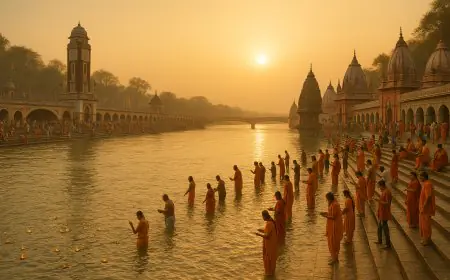
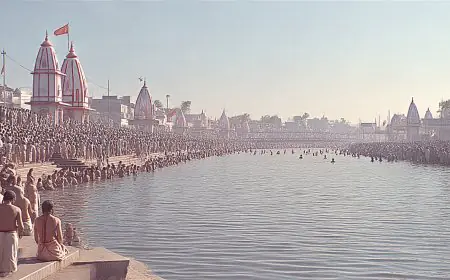
In Haridwar, where the Ganga descends from the Himalayas, millions of devotees will gather for Shahi Snan, the royal bath believed to wash away lifetimes of karma. What makes Ardh Kumbh 2027 Haridwar unique is not just its timing but its purpose — to bring spiritual awakening in an era of global transformation.
Haridwar: The Gateway to the Divine
Known as the Gateway to God, Haridwar is one of the holiest cities in India, revered for its ghats, temples, and the divine energy of Har Ki Pauri. Every evening, the Ganga Aarti transforms the riverbank into a spectacle of devotion. The fragrance of incense, the flickering lamps, and the chanting of mantras create a vibration that transcends time.
Trending Guides Now
Ardh Kumbh 2027 vs Maha Kumbh: What’s the Difference?

Haridwar to Get New Ghats Road Upgrades and Riverfront Makeover Ahead of Kumbh 2027

Ujjain Railway Station to Mahakaleshwar Temple Distance (2026 Guide)

Ujjain Simhastha 2028 Dates Announced: Full Shahi Snan & Event Timeline

Ujjain Simhastha Update: CM Mohan Yadav Reviews 2028 Works

Karkateshwar Mahadev: 22/84 Mahadev of Ujjain

Mahakaleshwar Temple Entry Rules 2026: Dress Code, Mobile & Bag Policy

Bhasma Aarti at Mahakaleshwar Temple – Complete Pilgrim Guide
In 2027, this sacred city is being prepared like never before — from improved infrastructure and eco-friendly facilities to digital pilgrimage services and live streaming for global devotees. The goal is to ensure that every pilgrim, whether walking barefoot on the ghats or joining virtually from afar, can feel the same sanctity and connection.
The Celestial Timing: When Faith Meets the Cosmos
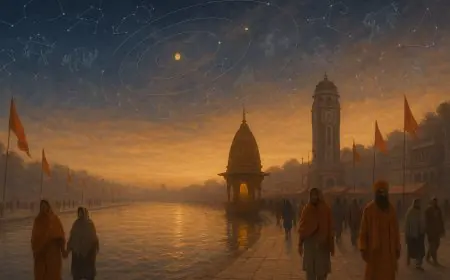
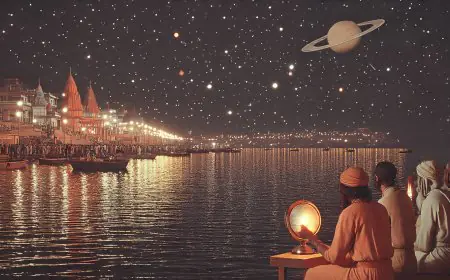
The Kumbh Mela is not randomly scheduled; it follows ancient astrological calculations based on the positioning of Jupiter (Guru) and the Sun (Surya). In 2027, when Jupiter enters Aquarius (Kumbha Rashi) and the Sun moves into Capricorn (Makara Rashi), the divine alignment creates the perfect moment for purification.
This rare configuration happens only once every 12 years, making Ardh Kumbh 2027 an event aligned with the cosmic rhythm of the universe — a reminder that humanity and divinity are eternally linked.
A Gathering of Saints and Seekers
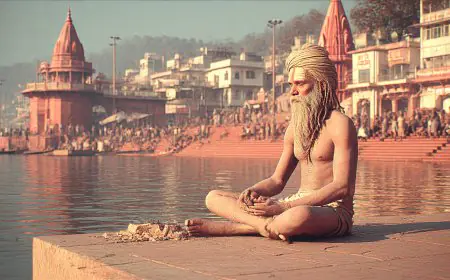
One of the defining features of the Kumbh Mela in Haridwar is the grand presence of Akhadas and Naga Sadhus. These ascetics, who live in isolation for years, come together to bless the world through their sacred procession — the Shahi Snan.
In 2027, the Akharas of Haridwar will once again lead this divine parade, adorned in saffron, ashes, and chants of Har Har Gange! Their presence symbolizes the living energy of India’s spiritual traditions. For seekers, witnessing this moment is like stepping into a different dimension — where the boundaries between the seen and unseen dissolve.
Preparing Haridwar for Millions of Devotees
With the Haridwar Kumbh Mela 2027 dates expected to draw tens of millions of visitors, preparations are already in motion. The Uttarakhand government and local authorities have initiated major development projects — including expanded ghats, better sanitation, smart crowd management, and improved transport facilities.

From Haridwar railway station upgrades to eco-friendly accommodation zones near the river, the focus is on blending spirituality with sustainability. A large emphasis is also placed on Clean Ganga initiatives, ensuring the sacred river remains pure for generations to come.
Experiencing Haridwar Beyond the Mela
While the Ardh Kumbh Mela is the heart of the pilgrimage, Haridwar offers endless spiritual exploration. Pilgrims often visit Chandi Devi Temple, Mansa Devi Temple, and the Daksha Mahadev Temple, each carrying its own divine legend.
Nearby, Rishikesh, known as the Yoga Capital of the World, invites visitors to deepen their practice of meditation and Ayurveda. Many travelers combine their Kumbh Mela journey with retreats in the Himalayan foothills, making the experience holistic — body, mind, and soul.
The Global Magnetism of Faith
In the modern age of digital connection, Ardh Kumbh 2027 will be the most globally connected Kumbh Mela in history. Pilgrims from over 100 countries are expected to attend, while millions more will participate through live streaming and virtual darshan.
This international participation is transforming Haridwar into a symbol of spiritual unity beyond borders. The essence of Kumbh has always been inclusivity — a place where kings and commoners, yogis and tourists, all stand equal before the Ganga.
The Spiritual Energy of the Shahi Snan
For many devotees, the moment of Shahi Snan (Royal Bath) is the pinnacle of their spiritual life. The belief is that during this cosmic alignment, the waters of the Ganga become charged with divine nectar (Amrit). Bathing in it is said to cleanse not just the body but the soul.
In 2027, the Shahi Snan dates will hold extraordinary importance. Pilgrims who immerse themselves in the sacred flow will feel the power of generations of faith that has kept India’s spiritual flame alive for millennia.
Technology Meets Tradition
While the essence of Kumbh Mela remains unchanged, 2027 will mark a new chapter in how it is experienced.
Digital services will allow devotees to:
-
Register for e-darshan
-
Access real-time crowd maps
-
Find verified accommodation near Har Ki Pauri
-
Receive updates on Shahi Snan schedules and rituals
This seamless integration of technology ensures that the event remains both safe and spiritually immersive, allowing modern pilgrims to navigate ancient traditions with ease.
A Once-in-a-Lifetime Pilgrimage
For anyone planning to visit Haridwar during Ardh Kumbh 2027, it’s more than just a religious trip — it’s a journey into the timeless heart of India. From the chants at dawn to the glow of diyas at dusk, every moment is charged with devotion.
This sacred convergence of faith, nature, and cosmic timing is an invitation to rediscover what it means to be human — to pause, reflect, and surrender to something greater than oneself.
Final Thought: The River Remembers
The Ganga has witnessed countless civilizations, empires, and prayers. She remembers every soul who has come to her with faith. In 2027, as the world gathers once more on her banks, Haridwar will remind humanity that spirituality is not about religion alone — it is about remembering our divine origin.
When you step into the sacred waters of the Ganga at Har Ki Pauri, you are not just taking a bath — you are participating in an eternal story written by the stars themselves.
Frequently Asked Questions