



















The Naga Sadhus of Haridwar: Their Role, Rituals & Presence During Ardh Kumbh 2027
Explore the role, rituals and powerful spiritual presence of the Naga Sadhus during Ardh Kumbh 2027 in Haridwar - history, traditions and importance.



The Naga Sadhus of Haridwar: Their Role, Rituals & Presence During Ardh Kumbh 2027
The Naga Sadhus are among the most mysterious and spiritually intense ascetics of Sanatan Dharma. Their presence during Ardh Kumbh 2027 in Haridwar evokes a powerful combination of devotion, discipline and divine energy. They are not merely saints — they are spiritual warriors of Lord Shiva who embody complete renunciation and absolute control over body, mind and senses. Their arrival, their processions and their rituals form the heart of the Shahi Snan.
Who Are the Naga Sadhus?
Naga Sadhus are ascetic Shaivite monks who renounce worldly life in pursuit of ultimate spiritual liberation. Traditionally known as the warrior ascetics of the Akharas, they dedicate their existence to meditation, yogic austerity and the worship of Mahadeva.
Key Characteristics of Naga Sadhus
- Complete detachment from material life and ego
- Daily practice of yogic austerities and sadhana
- Unshakable devotion to Lord Shiva
- Symbolic readiness to protect Sanatan Dharma
- Fearlessness and absolute mental control
Centuries of discipline are reflected in their spiritual presence during Kumbh.
The Role of Naga Sadhus in Ardh Kumbh 2027
While Ardh Kumbh attracts millions of pilgrims, the arrival of Naga Sadhus holds a special place in the spiritual hierarchy. Their participation signifies the beginning of sacred rituals and symbolizes the union of intense renunciation with divine celebration.
Trending Guides Now
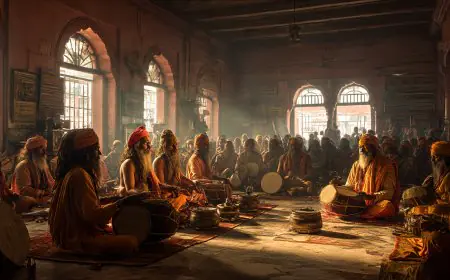
Inside the Akharas: Meeting the Saints of Haridwar 2027
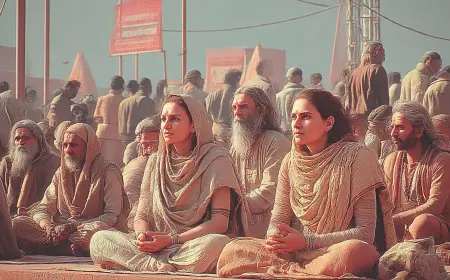
Women Saints Who Will Inspire at Ardh Kumbh 2027
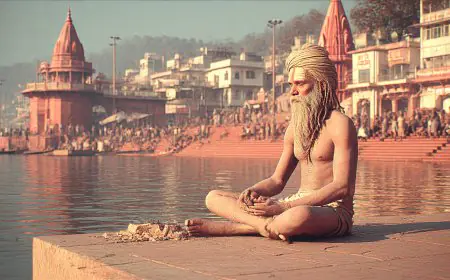
A Day in the Life of a Naga Sadhu at Ardh Kumbh 2027

Ujjain Railway Station to Mahakaleshwar Temple Distance (2026 Guide)

Ujjain Simhastha 2028 Dates Announced: Full Shahi Snan & Event Timeline

Ujjain Simhastha Update: CM Mohan Yadav Reviews 2028 Works

Omkareshwar Trip Budget Guide: Transport, Stay, Food and Local Travel Costs

Mahakaleshwar Temple Entry Rules 2026: Dress Code, Mobile & Bag Policy
Their Spiritual Purpose in the Festival
- Leading the Shahi Snan procession on auspicious muhurtas
- Maintaining the ritual purity of Akhara camps
- Performing high-energy Shaivite sadhanas
- Blessing devotees who seek guidance, peace and protection
- Preserving the ancient traditions of Dharma
Their presence turns the pilgrimage into a spiritual battlefield of inner transformation.
Understanding the Shahi Snan of the Naga Sadhus
The Shahi Snan — the Royal Bath — is the most sacred ritual of Kumbh. When Naga Sadhus enter the water with chants of “Har Har Mahadev,” it is believed that the river transforms into a divine purifier. Their disciplined movement, synchronized chanting and spiritual energy creates an unforgettable atmosphere.
Highlights of the Naga Shahi Snan
- Procession carrying Akhara flags, trishuls and dharma emblems
- Drums, conches and smoke of sacred havan guiding the entry
- Precise ritual sequence before and after the holy dip
- Absolute silence and discipline during the dip itself
- The return procession marking the ritual completion
Millions gather not just to see the spectacle, but to witness living symbols of devotion.
Inside the Akhara Camps of Naga Sadhus
The Akhara camps are the spiritual homes of Naga Sadhus during Ardh Kumbh. These areas are rich with meditation spaces, holy fires, scripture teaching, yogic practices and intense ritual environments.
Key Practices Inside the Camps
- Continuous dhuni (sacred fire) maintained day and night
- Mantra chanting and yogic kriyas at fixed timings
- Disciples receiving guidance from their gurus
- Spiritual discussions on Vedanta, Shiva-tattva and moksha
- Preparation for ceremonial rituals including Shahi Snan
These camps symbolize discipline and spiritual strength rather than display.
Initiation of a Naga Sadhu — The Rare Path of Renunciation
Becoming a Naga Sadhu is not a decision, it is a calling. It requires surrender of identity, possessions, desires and even attachment to one's body. Initiation happens only under the command of the guru lineage and only after intense testing.

Initiation Process (Symbolic Overview)
- Renunciation of all worldly ties
- Long meditation under the guru’s guidance
- Acceptance into Akhara tradition
- Symbolic separation from past identity
- Entry into lifelong spiritual discipline
Initiation is not simply a ritual — it is transformation at the level of soul.
Why Pilgrims Respect the Naga Sadhus
Pilgrims bow to Naga Sadhus not out of fear but reverence for their extreme discipline and spiritual accomplishments. Blessings received from them are considered powerful due to their elevated sadhana and rigorous tapasya.
Reasons Devotees Seek Their Blessings
- To remove inner fear and negativity
- For clarity of mind or path in life
- To strengthen devotion to Shri Mahakal
- To overcome personal anxieties and karmic burdens
- For protection and inner strength during hardships
Meeting a Naga Sadhu is seen as an opportunity to see the extreme possibility of human spirit.
A Rare Spiritual Presence That Transforms the Pilgrimage
The Naga Sadhus represent the highest intensity of surrender, self-mastery and devotion. Their presence during Ardh Kumbh 2027 is not a spectacle — it is a reminder that liberation is possible through absolute inner awakening. For many pilgrims, witnessing the Shahi Snan of Naga Sadhus becomes the most memorable spiritual moment of their lives.
Haridwar becomes a living field of divine power — and the Naga Sadhus are its fiercest carriers of spiritual fire. Their rituals, their discipline and their silence ignite devotion in every heart that arrives with faith.
Frequently Asked Questions