















Haridwar 2027: The Spiritual Tourism Boom
Discover how Ardh Kumbh 2027 in Haridwar is driving India’s biggest spiritual tourism boom — from eco-stays and global visitors to the rise of faith-based travel experiences that blend devotion, culture, and modern comfort.
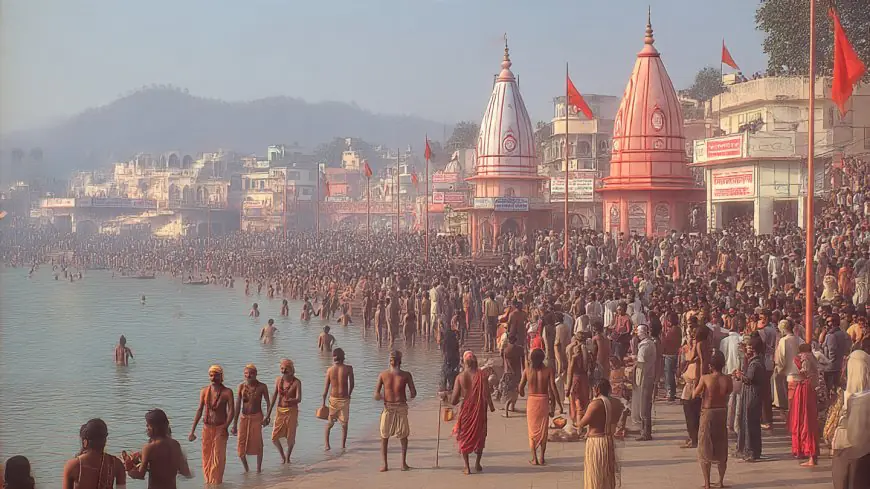


Haridwar 2027: The Spiritual Tourism Boom
A City Preparing for Millions
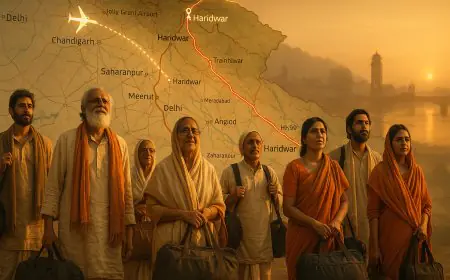
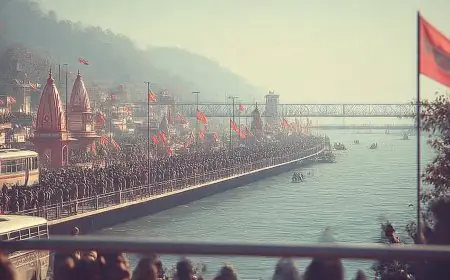
As the sacred city of Haridwar prepares for Ardh Kumbh Mela 2027, it is witnessing a transformation unlike any other. The age-old city, where the Ganga descends from the Himalayas, is fast becoming the epicenter of India’s spiritual tourism boom.
From renovated ghats and eco-friendly hotels to digital pilgrim services and international travel packages, Haridwar is balancing ancient faith with modern convenience — an evolution driven by both devotion and discovery.
The Rise of Faith-Based Travel in India
In recent years, spiritual tourism has become one of India’s fastest-growing sectors. More travelers now seek not just vacations but meaningful experiences — a chance to connect with heritage, spirituality, and mindfulness.
The Ardh Kumbh 2027 will amplify this trend. With millions expected to arrive, Haridwar is being positioned as a global spiritual destination, combining ritual sanctity with cultural exploration.
Trending Guides Now
Food of Faith: What to Eat During Ardh Kumbh 2027
Preparing Your Mind And Body for the Ardh Kumbh 2027 Journey
Best Time to Visit Haridwar for Ardh Kumbh 2027: Crowd Levels & Weather Guide

How to Capture Perfect Photographs During Ardh Kumbh 2027

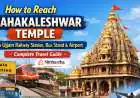
Ujjain Railway Station to Mahakaleshwar Temple Distance (2026 Guide)

Ujjain Simhastha 2028 Dates Announced: Full Shahi Snan & Event Timeline

Ujjain Simhastha Update: CM Mohan Yadav Reviews 2028 Works

Karkateshwar Mahadev: 22/84 Mahadev of Ujjain
Tourism officials project that visitor numbers could surpass 80 million, including thousands of foreigners drawn by yoga, Ayurveda, and the legendary Ganga Aarti.
Infrastructure Ready for the Divine Surge
The state government has invested heavily in preparing Haridwar for the 2027 Mela.
Key upgrades include:
-
Expanded roads and smart traffic systems for smoother pilgrim movement.
-
New railway and bus terminals with digital information kiosks.
-
Eco-friendly accommodations ranging from luxury stays to budget camps.
-
Dedicated zones for international visitors with multilingual support.


Even local ghats like Har Ki Pauri and Brahmakund have been redesigned with better lighting, safety, and waste management — ensuring pilgrims can worship in cleanliness and comfort.
Eco-Spiritual Stays: A New Trend
Eco-conscious travel is shaping how pilgrims experience the Mela. Many ashrams and hotels now offer sustainable stays — solar-powered rooms, biodegradable offerings, and organic meals sourced locally.
Well-known spiritual retreats in Haridwar, Rishikesh, and Devprayag are introducing “spiritual detox programs”, combining meditation, chanting, and silent walks by the Ganga. These retreats are fully booked months in advance, especially among international devotees.
Digital Transformation of the Pilgrim Experience
In 2027, technology will redefine how pilgrims interact with the sacred.
From QR-based passes and AI-powered crowd management to digital darshan portals, Haridwar’s Ardh Kumbh will be among the most organized religious gatherings in history.
The tourism department has also launched a virtual Kumbh experience, where users worldwide can witness live streams of the Shahi Snan, Ganga Aarti, and spiritual discourses from their homes.
This blend of ancient faith and modern digital access reflects a new form of devotional inclusivity — one that transcends distance and borders.
Global Visitors: Faith Without Frontiers
In 2016, the previous Simhastha Kumbh saw over 200,000 foreign visitors. For Ardh Kumbh 2027, that number is expected to double.
Pilgrims from Europe, the United States, South America, and East Asia are planning trips not just for ritual baths, but for a deeper connection with India’s spiritual roots.
Embassies and travel agencies are already promoting “Faith Tourism Packages”, combining the Mela with visits to Rishikesh, Varanasi, and the Char Dham.
For many, Haridwar is not just a location — it is a living classroom where yoga, devotion, and humanity merge.
The Role of Local Communities
Behind every great festival are the people who sustain it. Local artisans, guides, hoteliers, and transport providers are witnessing a renewal of livelihood.
From handmade rudraksha malas and Ayurvedic herbs to spiritual paintings and crafts, local businesses are thriving. Women’s self-help groups, NGOs, and cooperatives have joined hands to promote authentic Haridwar souvenirs — sustainable, handcrafted, and spiritually inspired.
This local empowerment adds another layer to the tourism boom — one rooted in community and compassion.
Ayurveda, Yoga & Wellness Tourism
The sacred city has long been associated with Ayurveda and yoga, but 2027 marks a turning point. Wellness centers across Haridwar are offering customized retreats that blend spiritual healing with modern therapy.
Foreign visitors enroll in Panchakarma, yoga teacher training, and sound meditation programs designed around the festival’s energy. These centers promote the message that spiritual well-being and physical health are inseparable, echoing India’s holistic wisdom.
Economic Ripple Effects
The Ardh Kumbh is not just a spiritual gathering — it’s an economic phenomenon.
Industry experts estimate that tourism and allied sectors will generate over ₹12,000 crore in economic activity.
Local transport, accommodation, handicrafts, and food vendors all benefit. For Haridwar’s youth, the Mela means new jobs — in hospitality, digital services, and event management — turning faith into sustainable progress.
Balancing Devotion and Sustainability
Authorities are keen to ensure that the spiritual boom does not harm the environment. Strict waste disposal policies, plastic bans, and green energy systems are being implemented across the Mela area.
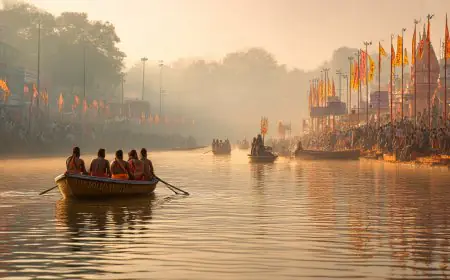
Volunteers and environmental groups will conduct Ganga Safai Abhiyan drives daily to maintain the purity of the river. These steps ensure that faith and ecology coexist, just as they have for millennia.
The Future of Spiritual Tourism in India
The Ardh Kumbh 2027 is more than an event — it’s a template for the future of spiritual tourism.
Haridwar stands as a symbol of how ancient traditions can adapt gracefully to the 21st century.
By embracing innovation, inclusivity, and sustainability, it is redefining what it means to be a pilgrimage city — one where the sacred meets the smart, and where every traveler leaves transformed.
Conclusion: The New Age of Pilgrimage
As millions gather at the banks of the Ganga in 2027, Haridwar will not only echo with chants but also with the footsteps of seekers, tourists, and believers from every corner of the world.
This is more than a festival — it is the dawn of a new age of spiritual tourism, where devotion fuels development, and faith becomes the bridge between the past and the future.
Haridwar 2027 is not just a destination. It is a revelation.
Frequently Asked Questions